Mount Emei Travel Guide
Introduction
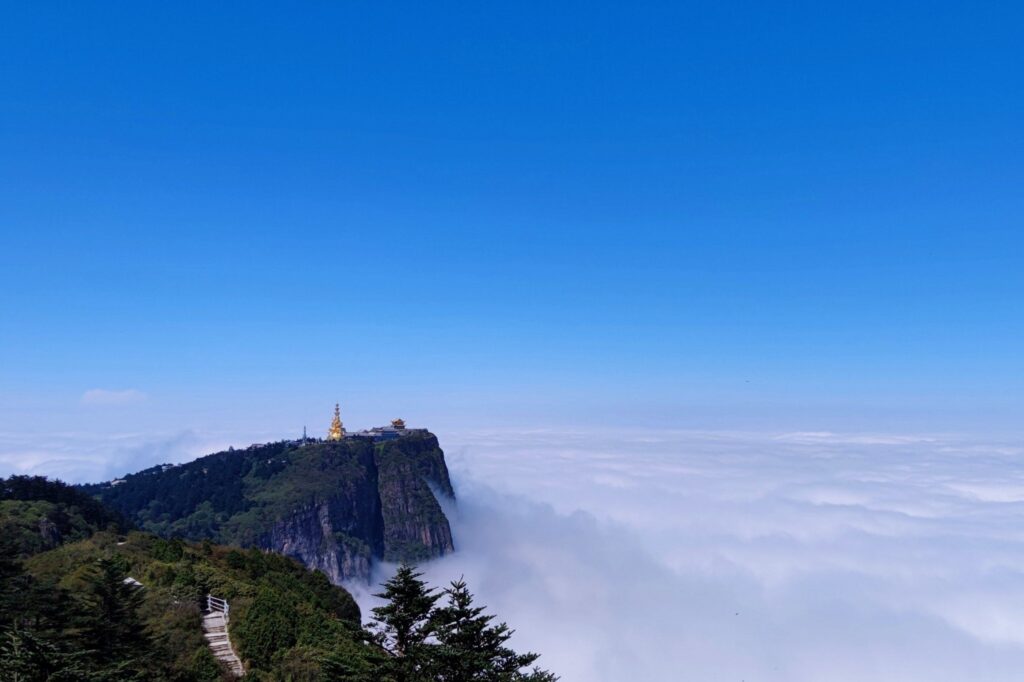
I still remember the moment I first saw Mount Emei rising through the mist—layers of forested ridges fading into clouds, with the faint sound of temple bells echoing in the distance. It felt less like arriving at a mountain and more like stepping into a spiritual landscape shaped by centuries of devotion.
As a foreign traveler exploring China’s natural and cultural landmarks, Mount Emei quickly stood out as something different. It’s not just about scenery here—it’s about atmosphere. Hiking through bamboo forests, passing ancient monasteries, and occasionally encountering wild monkeys makes the journey unforgettable.
This Mount Emei travel guide will help you plan your visit, understand the routes, and experience one of China’s most sacred and beautiful mountains.
Overview
Mount Emei is one of the Four Sacred Buddhist Mountains of China and a UNESCO World Heritage Site. Located in Sichuan Province, it rises to 3,099 meters (10,167 feet) at its highest point, known as the Golden Summit.
What makes Mount Emei unique compared to mountains like Mount Hua or Mount Huangshan is its combination of:
-
Deep spiritual significance
-
Lush subtropical forests
-
Dramatic high-altitude scenery
-
Ancient Buddhist temples
Key highlights include:
-
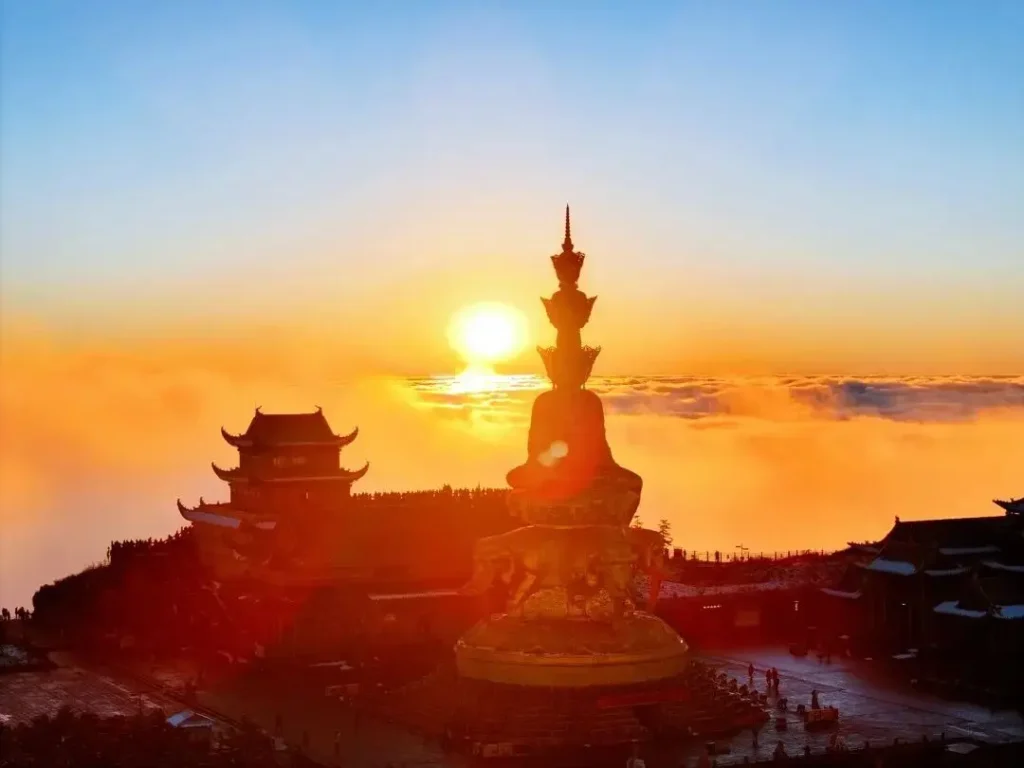
Golden Summit (Jinding) – panoramic views above the clouds
-
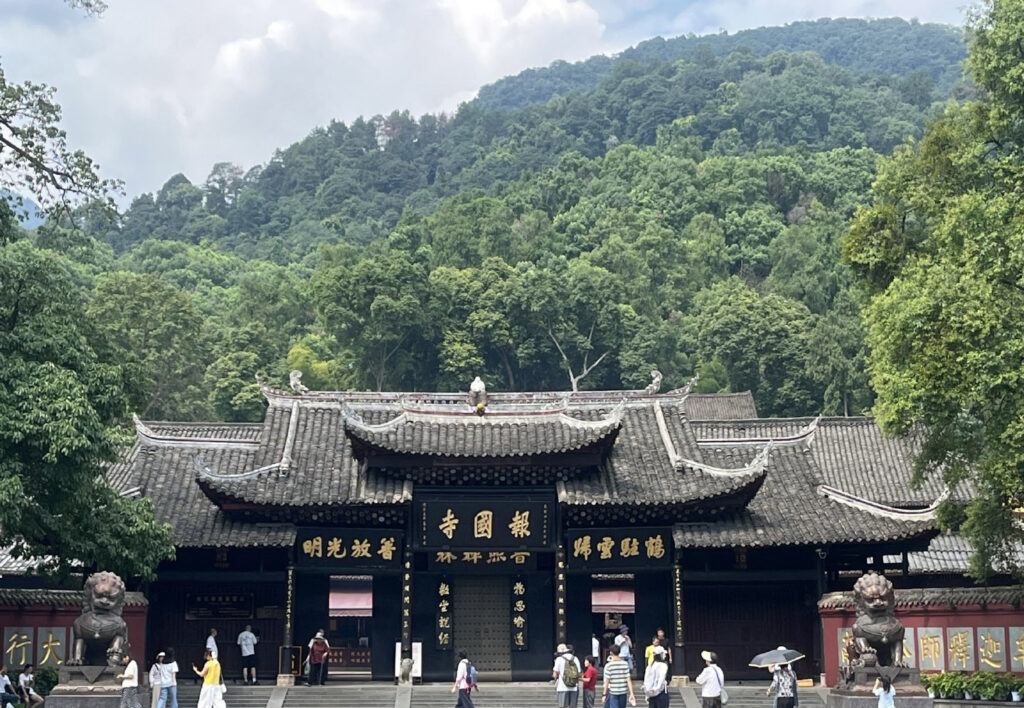
Baoguo Temple – main entrance and cultural starting point
-
Wannian Temple – one of the oldest temples on the mountain
-
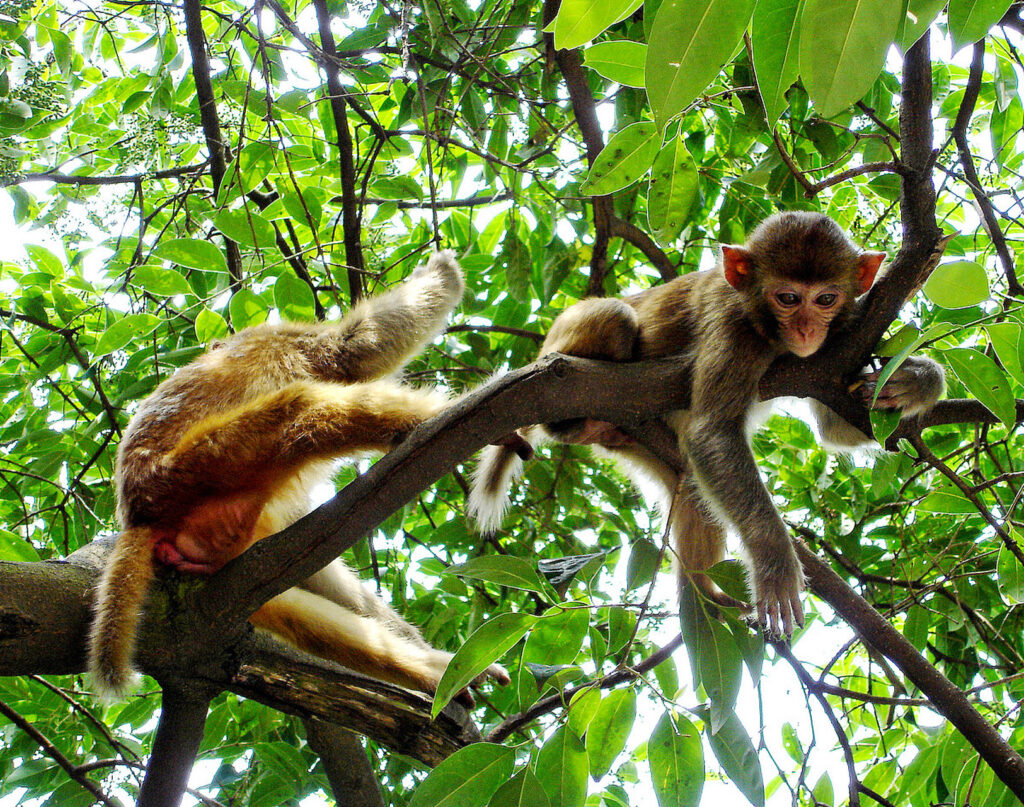
Monkey Zone – where wild macaques roam freely
Unlike more “extreme” mountains, Mount Emei feels more immersive and peaceful, with a strong cultural presence throughout the journey.
How to Visit
There are several ways to explore Mount Emei depending on your time and fitness level.
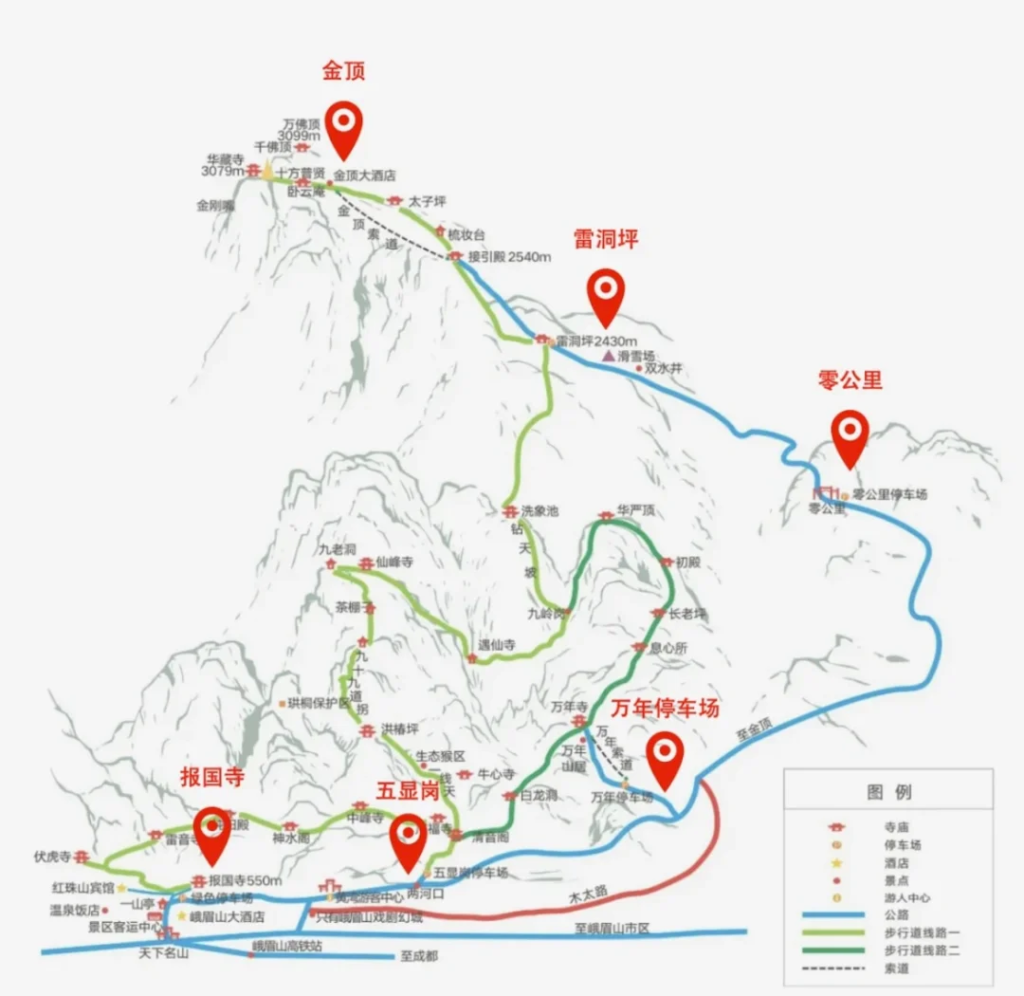
Full Hiking Route (2–3 Days)
For those who want a deep experience, hiking from the base to the summit is the best option.
-
Start at Baoguo Temple
-
Pass multiple temples along the way
-
Stay overnight in mountain monasteries or guesthouses
-
Reach Golden Summit on the final day
This route offers the most authentic experience, combining nature and culture.
Half Hiking + Cable Car
A popular option is:
-
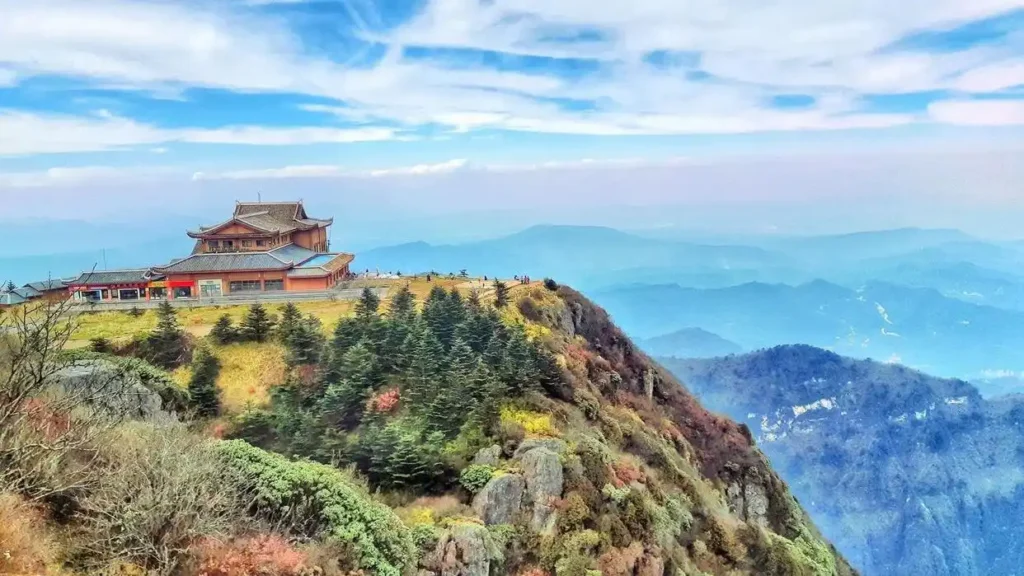
Take a bus to Leidongping
-
Hike 1–2 hours to the summit
-
Optionally use the cable car
This is ideal if you want to enjoy the scenery without a full multi-day trek.
Cable Car Route
For travelers with limited time:
-
Bus + cable car directly to Golden Summit
While convenient, this skips much of the mountain’s charm.
Best Time to Visit
Mount Emei offers different experiences in each season.
Spring (March – May)
-
Misty forests and fresh greenery
-
Fewer crowds
-
Great for peaceful hiking
Summer (June – August)
-
Cool temperatures at higher altitude
-
Popular travel season
-
Lush landscapes
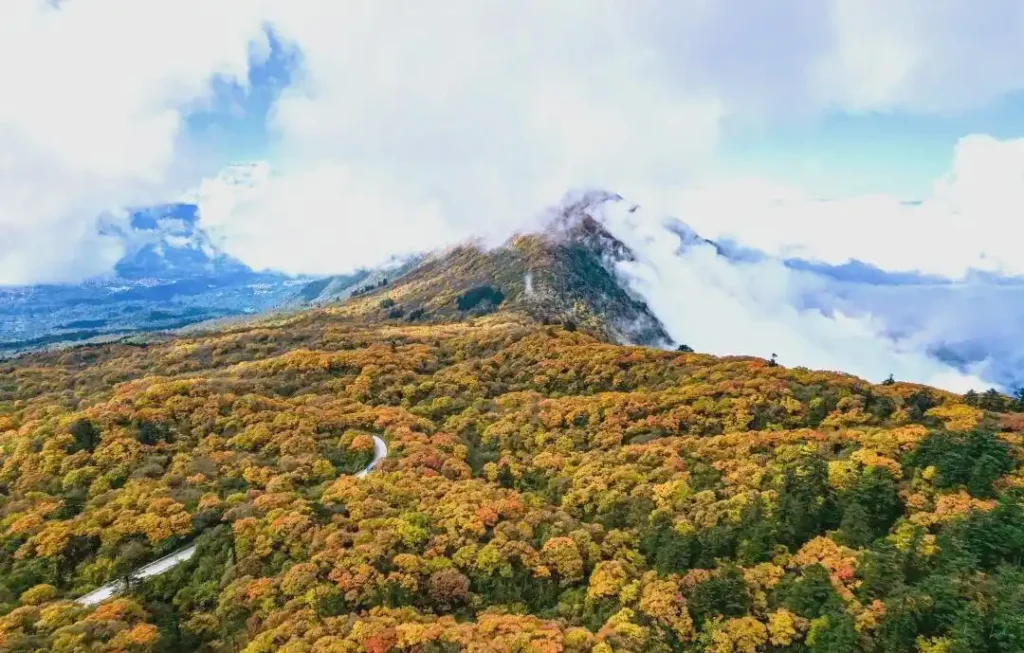
Autumn (September – November)
-
Clear skies
-
Best visibility from the summit
-
Ideal for photography
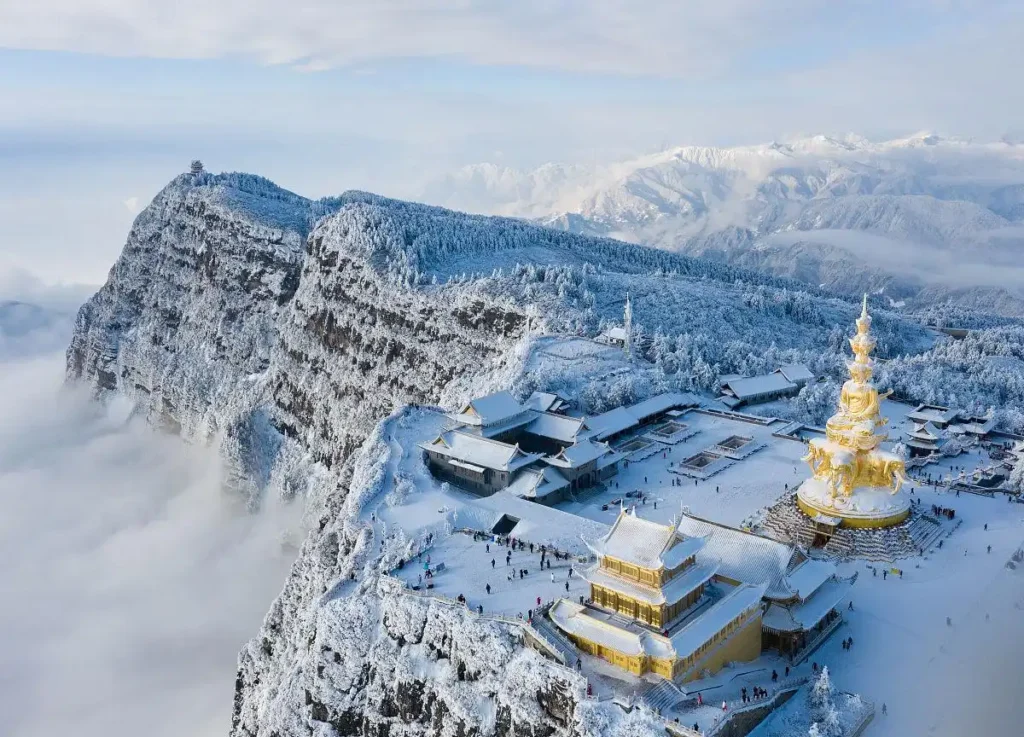
Winter (December – February)
-
Snow-covered temples
-
Magical cloud sea views
-
Cold but unforgettable
If you want the best balance, autumn is the best time to visit Mount Emei.
How to Get There
By High-Speed Train
The easiest way:
-
Chengdu → Emeishan Station (~1.5 hours)
From there, take a bus or taxi to the scenic area.
By Bus
Buses run from Chengdu to Mount Emei, but trains are faster and more comfortable.
By Air
The nearest major airport is Chengdu Shuangliu International Airport.
From Chengdu, continue by train or bus.
Travel Tips
Watch out for monkeys
The monkeys on Mount Emei are famous—but they can be aggressive. Keep your belongings secure and avoid feeding them.
Stay overnight on the mountain
Watching sunrise from Golden Summit is one of the most memorable experiences.
Prepare for changing weather
You may experience sun, fog, and rain all in one day.
Wear proper shoes
The trails are long and sometimes slippery.
Bring cash
Some smaller shops and temples may not accept cards.
Conclusion
Mount Emei is more than just a mountain—it’s a journey through nature, culture, and spirituality. From quiet forest trails to dramatic summit views, every step offers something unique.
Compared to more famous hiking destinations, Mount Emei feels deeper and more meaningful. It’s a place where you don’t just see the landscape—you feel it.
For travelers looking to experience both China’s natural beauty and spiritual heritage, Mount Emei is an essential destination.