Best Time to Visit China: Month by Month and Region by Region
China is too large for a single best season. A beach in Hainan, a glacier in Sichuan and a bamboo hill outside Shanghai have almost nothing in common in January, and the difference between a good and a bad week on the same mountain is often just cloud. What you can plan is this: two reliable windows in spring and autumn, a summer that pushes you uphill or north, and a winter that rewards the south and the far northeast.
The tables below give the short answer by region and by month. After them, each season gets a practical section: what works, what closes, and which crowds to dodge. If your trip is built around mountains, time it for the edges of the season rather than the middle, and read the holiday calendar before you book anything.

The short answer by region
| Region | Best months | Shoulder | Avoid |
|---|---|---|---|
| North China (Beijing, Shanxi, Hebei) | Apr–May, Sep–Oct | Late Oct, early Nov | March dust, Jul–Aug heat |
| East China (Shanghai, Hangzhou, Anhui, Fujian) | Apr–May, Oct–Nov | Late Sep | Mid-Jun–mid-Jul plum rain, Jul–Sep typhoons |
| Sichuan (Chengdu, Jiuzhaigou, Emei, Gongga) | Apr–Jun, Sep–Oct | Early Nov | Jul–Aug monsoon and landslides |
| Yunnan (Kunming, Lijiang, Shangri-La) | Mar–May, Oct–Nov | Dec–Feb for clear skies | Jun–Aug rain |
| Northwest (Gansu, Qinghai, Xinjiang) | Jun–Sep | Late May, early Oct | Nov–Mar closures |
| Northeast (Changbai, Harbin) | Jun–Sep, Dec–Feb | September | Cloud on Tianchi in midsummer |
| Tibet and the high plateau | May–Jun, Sep–Oct | Jul–Aug | Nov–Apr cold and closures |
Month by month
| Month | Best for | Watch out for |
|---|---|---|
| January | Harbin ice, Yunnan, Hainan | Icy steps on northern mountains; short days |
| February | Spring Festival cities, warm south | Holiday crush from late January to mid-February |
| March | Yangtze spring, tea terraces, Huangshan | Dust in the north, mud on trails |
| April | Almost everywhere; flowers and mild air | Qingming weekend crowds, frequent rain |
| May | Mountains opening, long days | The 1–5 May holiday; heat arriving in the south |
| June | High Sichuan, Yunnan, Gansu | Plum rain in the east, first typhoons |
| July | Qinghai, Tibet, Changbai, the coast | Heat, monsoon rain, school holidays |
| August | High altitude, waterfalls at full flow | Wettest month in the south; typhoons |
| September | North and east clear, early autumn colour | Mid-Autumn crowds; typhoon tail end |
| October | The best month almost everywhere | The 1–7 October national holiday |
| November | Foliage in the south and east, dry Yunnan | Cold in the north, first snow on passes |
| December | Yunnan, Guangxi, Hainan, Harbin | Ice on mountain roads; early dusk |
Read the two tables together. A month that is excellent in Yunnan can be miserable in Shanghai, and "avoid" usually means "avoid unless you have a specific reason", not "do not travel".
Spring: March to May
Spring arrives in the south first and takes its time moving north. March brings early blossom, tea picking in the hills around Hangzhou and mild days in the Yangtze valley, with cold nights and changeable weather. April is the most comfortable month across most of the country: mild days, fresh green, and enough dry spells to plan a mountain. May is warm and reliable, but the first five days are a national holiday and the start of the domestic travel season.
Two warnings. Northern China can get dust storms in March and early April, which turn the sky yellow and make distant views disappear. And spring weather in the mountains is unstable: a 20°C valley can be 5°C on a ridge with wind and sleet, so layers matter more than at any other time of year. If you want a specific mountain, the Huangshan hiking guide explains how spring cloud behaves on the ridge.
Summer: June to August
Summer splits the country. The south and the southwest get the monsoon: humid, wet, green, and prone to landslides on steep roads. The Yangtze delta has its own plum-rain season from mid-June to mid-July, when it rains for weeks and laundry never dries. The north is hot and dry, often above 35°C, and the big coastal cities are muggy but swimmable.
The escape routes are altitude and latitude. Qinghai, Tibet, northern Sichuan, Gansu and the northeast sit high or far north enough to stay pleasant, and waterfalls everywhere are at their best. Jiuzhaigou and Mount Emei are classic summer choices for exactly this reason, though both are crowded in July and August.
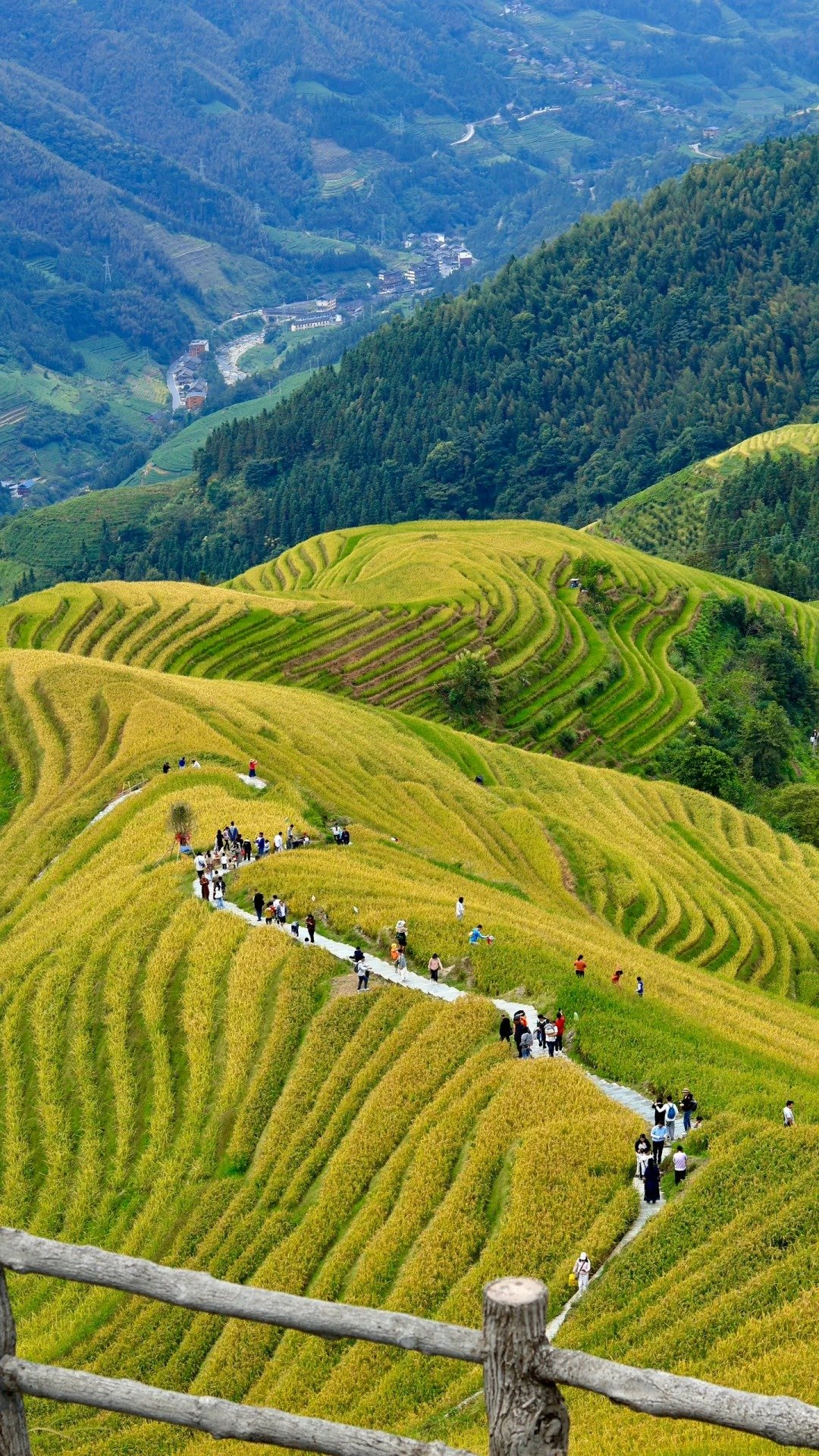
One practical rule: start walking at dawn in summer. Chinese mountain routes are exposed, and the combination of heat, humidity and 2,000 steps is what sends people to hospital. Carry more water than you think, add salt, and plan to be down before the afternoon storm.
Autumn: September to November
Autumn is the season most travellers mean when they say "best time to visit China". September clears the north and east, October is dry and bright across most of the country, and November brings the best foliage to the Yangtze delta and the south while the north goes cold. Visibility improves, humidity drops, and mountain ridges that were in cloud all summer come into view.
This is the window for the classic mountain trips: Huangshan for a sea of clouds, Mount Tai for a clear sunrise, and the long treks in Yunnan and Sichuan before the passes close. The best hiking trails in China guide marks which of them are autumn-only. Book accommodation early, especially on summits, where beds sell out weeks ahead for October weekends.
Winter: December to February
Winter is the most misunderstood season. The north is cold, dry and often brilliantly clear, with mountain views that summer never delivers; Harbin runs its ice festival in January. The south stays mild enough for walking, and Yunnan, Guangxi and Hainan are at their most comfortable. Snow on Huangshan or Mount Tai is spectacular, and the crowds vanish.
The costs are real. Some high-altitude scenic areas and passes close, cable cars stop in wind and snow, and stone steps ice over early in the morning. Days are short, so a sunrise start means a 5 am alarm and a headlamp. Check opening dates for anything above 3,000 m, and check the weather for Changbai's Tianchi, which can be closed by cloud or snow with no notice.
Holidays and crowds to plan around
Chinese public holidays move with the lunar calendar, but the pattern is predictable enough to plan around. The biggest is Spring Festival, usually late January to mid-February: two weeks of family travel, when trains sell out, cities empty and many small restaurants close. The first week of October is the National Day holiday, the busiest domestic travel week of the year. The 1–5 May holiday and the early-April Qingming weekend are smaller versions of the same problem. Mid-Autumn falls in September or early October and can merge with National Day.
What this means in practice: avoid mountain summits and famous scenic areas during those weeks, book rail tickets the moment sales open, and expect hotel prices to double. If your dates are fixed, choose secondary mountains and weekday travel. Ticket booking is explained in the China high-speed rail guide.
Typhoons, rain and other regional hazards
- Typhoons: July to September on the coast from Hainan to Zhejiang. Cable cars, boats and trails close for a day or two; forecasts give several days' warning.
- Plum rain: mid-June to mid-July in the Yangtze delta. Not dangerous, just wet, grey and humid for weeks.
- Landslides: the monsoon months on steep roads in Sichuan and Yunnan. The Tiger Leaping Gorge trek is best outside the wettest weeks for this reason.
- Altitude: thin air is a year-round issue above 3,000 m; winter is colder and windier but not easier.
- Cold snaps: northern China can drop 10°C in a day in spring and autumn. Pack for the worst hour, not the average.
Where to go next
Once you have a season, choose the mountain. The East China mountains guide compares the weekend options from Shanghai, and the easy day hikes for beginners covers low-altitude walks that work in almost any month. Pack from the China hiking kit list, shortlist scenery with the most beautiful mountains in China, and for wilder alternatives read the best national parks in China.
Frequently asked questions
What is the best month to visit China overall?
October. The north and east are clear and cool, the autumn colour starts in the mountains, and the summer rain has stopped. The catch is the first week of October, a national holiday when trains and hotels sell out; go after the 8th if you can.
When is the rainy season in China?
The main monsoon runs from June to August in the south and southwest, with the heaviest rain in July and August. The Yangtze delta has a separate plum-rain season from mid-June to mid-July. The north is driest in spring and early summer.
When should I avoid travelling in China?
The first week of October, the early-May holiday and the Spring Festival period, which usually falls between late January and mid-February. These are the busiest domestic travel windows, when train tickets disappear and mountain paths turn into queues.
Is winter a good time to visit China?
Yes, if you choose the right region. Yunnan, Guangxi and Hainan stay mild, Harbin has its ice festival, and northern mountains are quiet and often clear. High passes and some scenic areas close, and steps ice over, so check access before booking.
When is typhoon season in China?
Roughly July to September along the southern and eastern coast, from Hainan and Guangdong up to Fujian and Zhejiang. Typhoons bring closures of cable cars, boats and trails for a day or two at a time, and the track is usually forecast several days ahead.
What is the best season for hiking in China?
Late April to May and September to early November. Spring gives mild weather and green landscapes; autumn gives the clearest skies, the best mountain views and the most reliable dry days. High-altitude routes in Sichuan and Tibet are best from May to June and September to October.
Keep reading

Travel Planning
China High-Speed Rail Guide: Booking, Seats and Station Tips
China’s high-speed trains are the easiest part of travelling here once you are aboard. The hard part is …

Travel Planning
20 Best Places to Visit in China, Region by Region
China is too large to rank as one list, so this one is organised the way you actually travel: by region. …

Travel Planning
China Visa and Entry Guide: Visa-Free Rules, Transit and L Visas
China’s entry rules are more generous than they were a few years ago, and more confusing for exactly that …