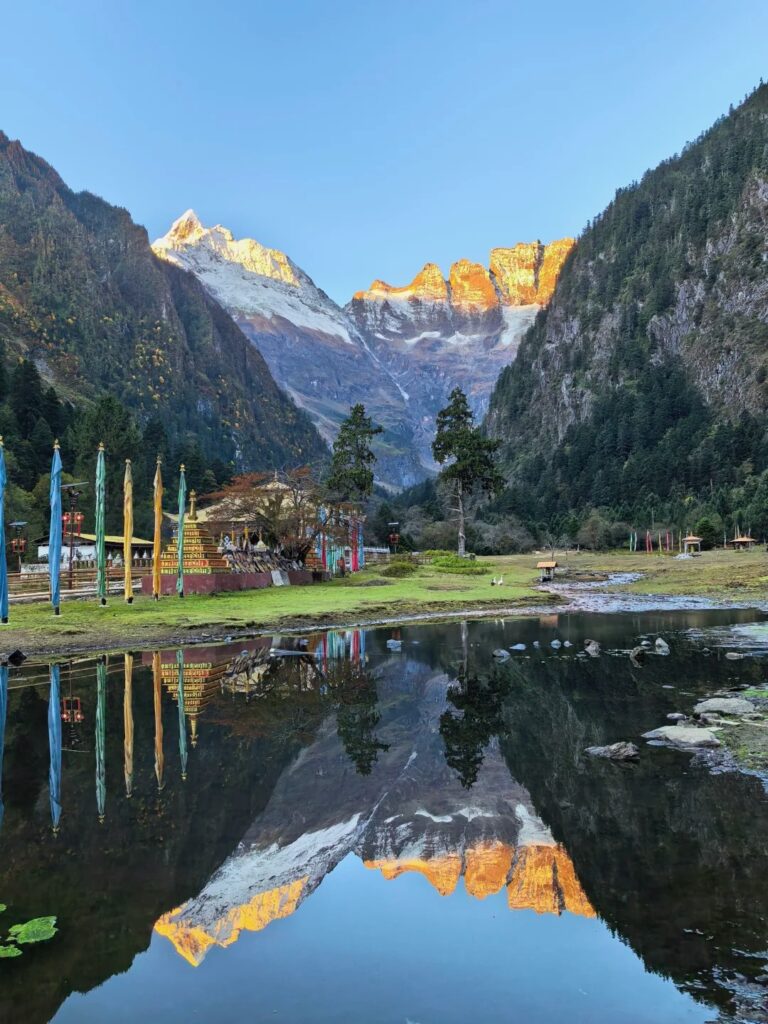
How Hard Is Gongga Mountain Trekking? What to Expect on the Trail
Gongga Mountain has a reputation in China that doesn’t always show up in travel brochures. It’s often described as wild, unpredictable, and physically demanding — but what does that actually mean if you’re planning to hike there?
The truth is, Gongga is not just “another mountain trek.” It’s a place where altitude, weather, and terrain come together in ways that can challenge even experienced hikers.
One of the first things you’ll notice is the altitude. Many trekking routes around Gongga quickly rise above 3,500 meters, and some passes go well beyond 4,000. If you’ve never hiked at that elevation before, even a short distance can feel exhausting.
This is why preparation matters. If you haven’t already, it’s worth checking a complete Gongga hiking guide before attempting longer routes.
Another factor that catches people off guard is how fast the weather can change. A clear morning can turn into rain, fog, or even snow within hours. Trails that seem easy in good weather can become slippery and dangerous very quickly.
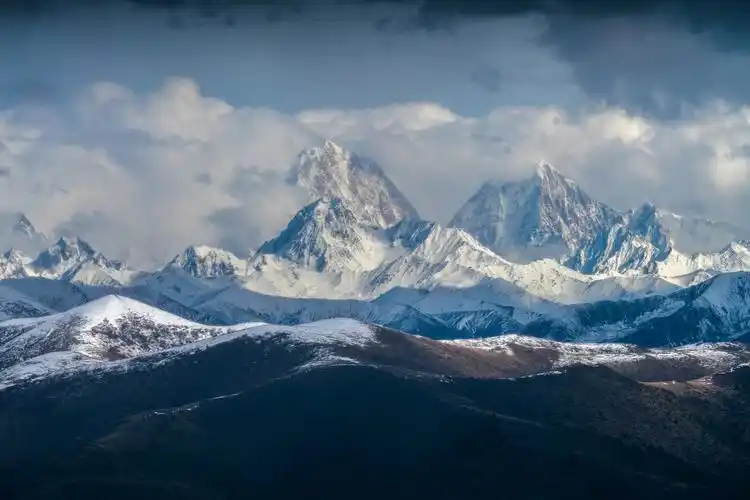
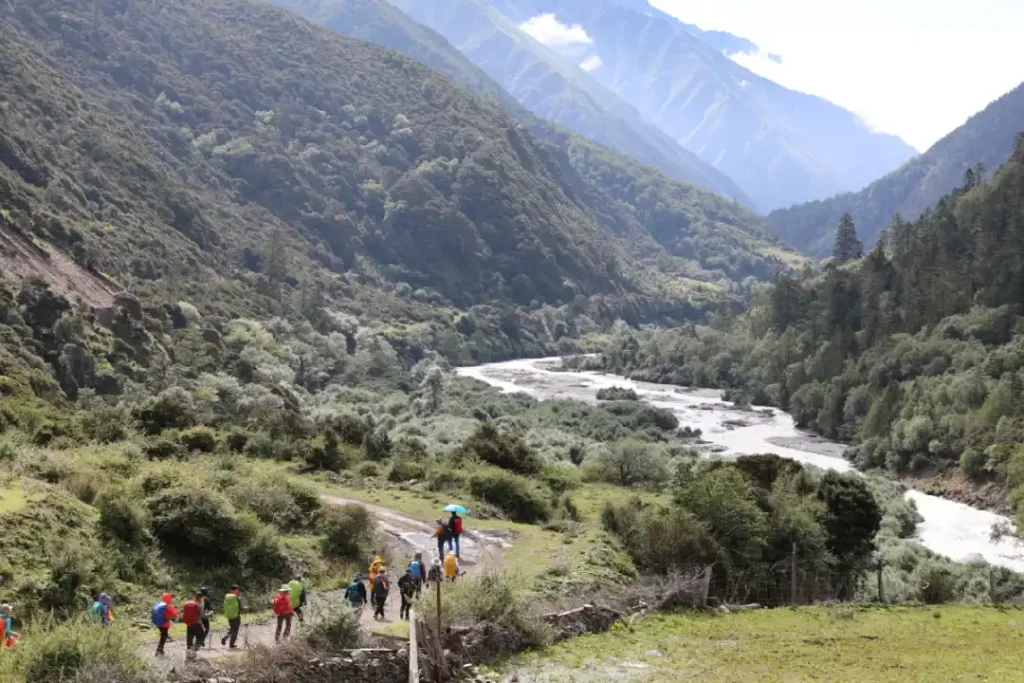
Then there’s the terrain itself. Unlike well-developed hiking destinations, many paths around Gongga are still relatively raw. You’ll encounter loose rocks, muddy sections, river crossings, and long stretches without clear signage.
Compared to famous routes like Tiger Leaping Gorge, Gongga feels far less structured. That’s part of its appeal — but also part of the challenge.
Physical endurance is another key factor. A typical trekking day here can involve 6 to 8 hours of walking, often with significant elevation gain. It’s not just about distance — it’s about how your body handles the conditions.
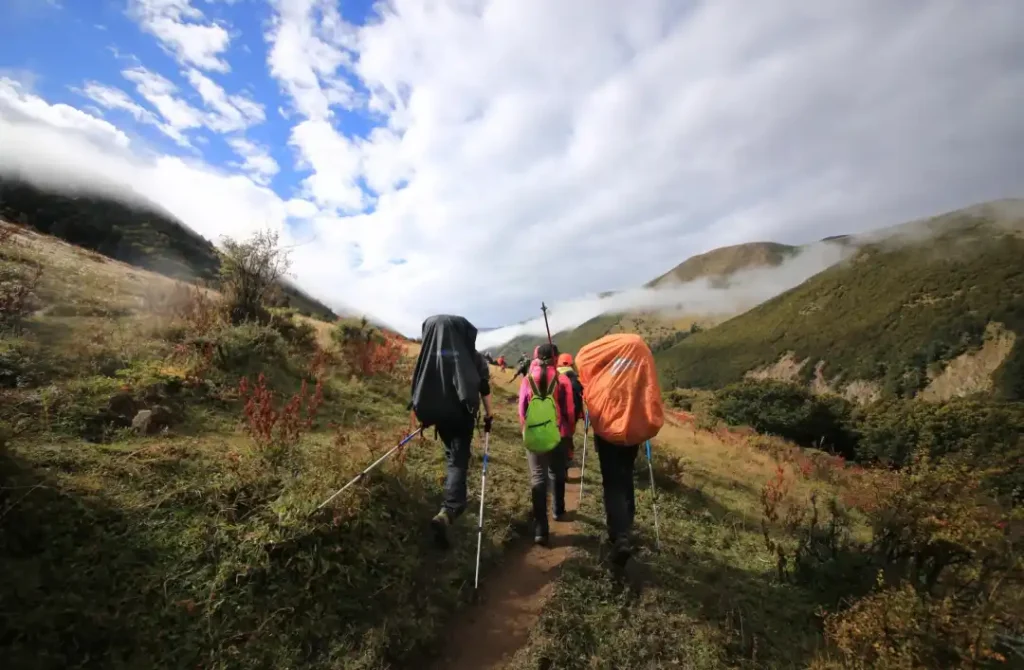
So who is Gongga trekking really for?
It’s best suited for hikers who already have some experience with multi-day treks, especially at higher altitudes. If you’re new to hiking in China, you might want to start with easier routes listed in beginner-friendly hikes before taking on something this demanding.
Gear also plays a major role. Weather protection, proper boots, and layered clothing are essential here. If you’re unsure what to bring, this guide on what to pack for mountain hiking in China is a good place to start.
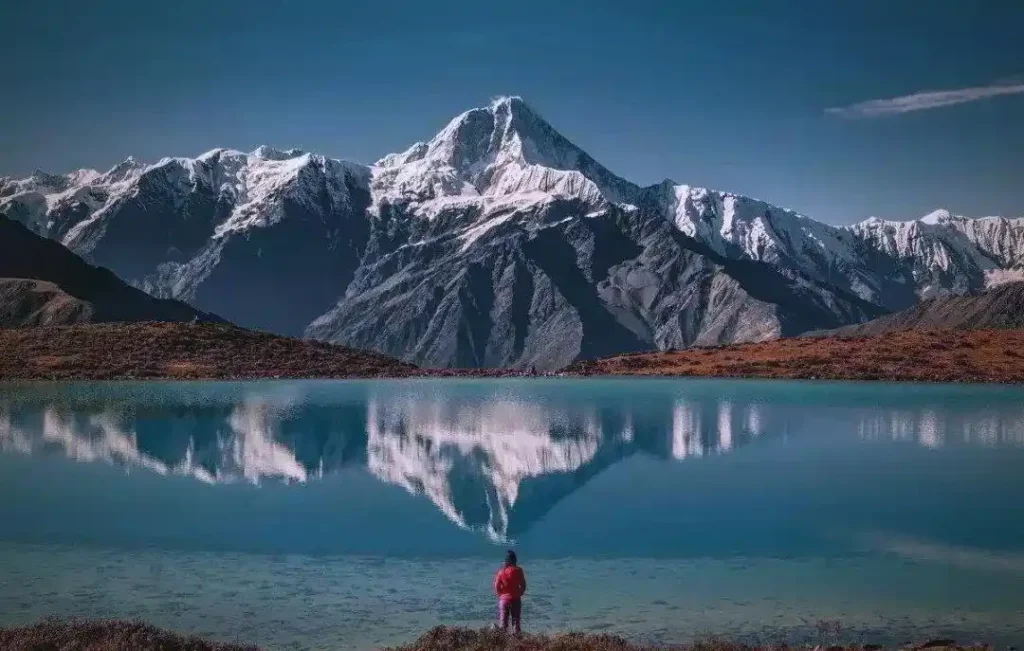
Despite all these challenges, Gongga remains one of the most rewarding trekking destinations in China. The difficulty is exactly what keeps it less crowded and more authentic.
If you’re looking for a deeper adventure — something beyond typical tourist trails — Gongga delivers an experience that feels raw, real, and unforgettable.
Quick Difficulty Summary
- Altitude: High (3,500m – 4,500m+)
- Trail Conditions: Natural, sometimes rough
- Weather: Unpredictable
- Physical Demand: Moderate to high
FAQ
Is Gongga trekking dangerous?
It can be if you’re unprepared. With proper planning and awareness, it’s manageable for experienced hikers.
Do I need a guide?
For remote routes, a local guide is strongly recommended, especially if you’re unfamiliar with the area.
How does Gongga compare to other treks in China?
It’s more remote and physically demanding than many popular trails, which makes it appealing for serious hikers.