Tiger Leaping Gorge Trek Guide
Introduction
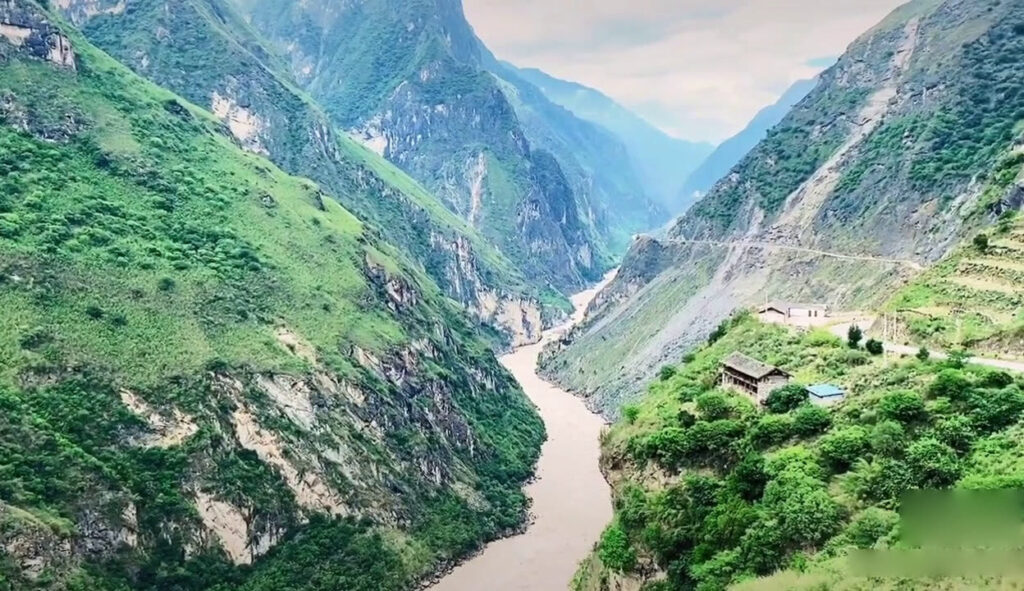
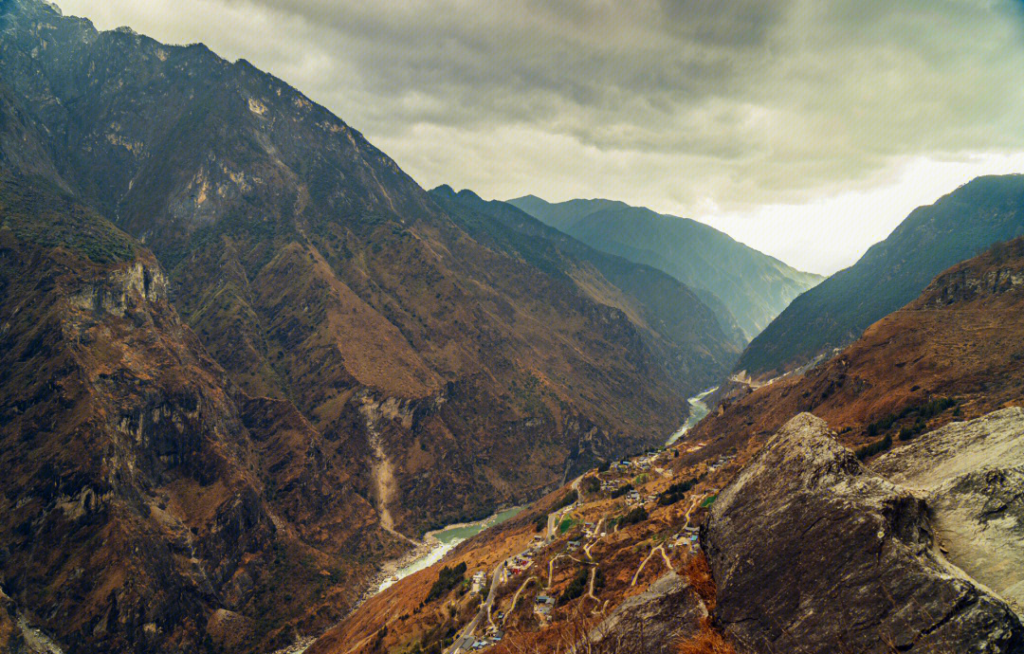
Standing on a narrow trail high above the roaring Jinsha River, I remember gripping my trekking pole and looking down into one of the deepest gorges in the world. The sound of the river crashing through the canyon echoed like thunder, while snow-capped peaks towered above me on both sides.
That was my first real moment inside Tiger Leaping Gorge—and it instantly became one of the most unforgettable hikes I’ve ever done in China.
This Tiger Leaping Gorge trek guide is for travelers who want more than just sightseeing. If you’re looking for a real adventure in China—raw landscapes, dramatic cliffs, and a sense of freedom—you’ll find it here.
Overview
Tiger Leaping Gorge is located in Yunnan Province, between the famous Jade Dragon Snow Mountain and Haba Snow Mountain.
It is considered one of the deepest gorges in the world, with cliffs rising more than 3,000 meters above the river.
What makes this trek special is the combination of:
Dramatic vertical landscapes
Relatively untouched hiking trails
Stunning views of snow mountains
Authentic guesthouse culture along the route
Unlike more polished destinations like Zhangjiajie National Forest Park, Tiger Leaping Gorge feels wild and real. There are no luxury walkways here—just dirt trails, steep climbs, and breathtaking views.
How to Visit
There are two main ways to experience Tiger Leaping Gorge:
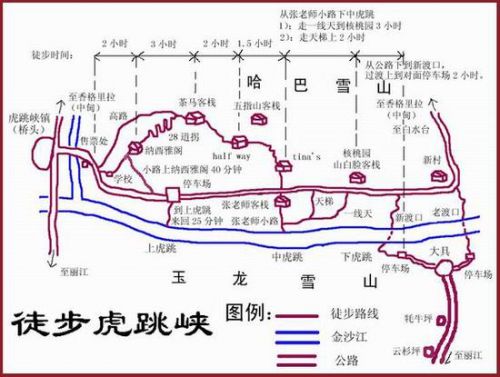
High Trail Trek (Recommended)
This is the classic trekking route and the one most travelers choose.
Duration: 2 days
Distance: ~20–22 km
Day 1:
Start from Qiaotou
Hike uphill (including the famous “28 Bends”)
Stay overnight in a guesthouse
Day 2:
Continue along the cliffside trail
Descend toward the river area
Finish near Tina’s Guesthouse
This route offers the best views and the most immersive experience.
Lower Gorge Route
Easier access by road
Short walks near the river
Less scenic than the high trail
If you want a true trekking experience, the high trail is absolutely worth it.
Best Time to Visit
Spring (March – May)
Mild weather
Flowers blooming
Great for hiking
Summer (June – August)
Green landscapes
Strong river flow
Occasional rain
Autumn (September – November)
Clear skies
Best mountain views
Ideal trekking conditions
This is widely considered the best time for the Tiger Leaping Gorge trek.
Winter (December – February)
Cold but quiet
Snow on higher peaks
Fewer hikers
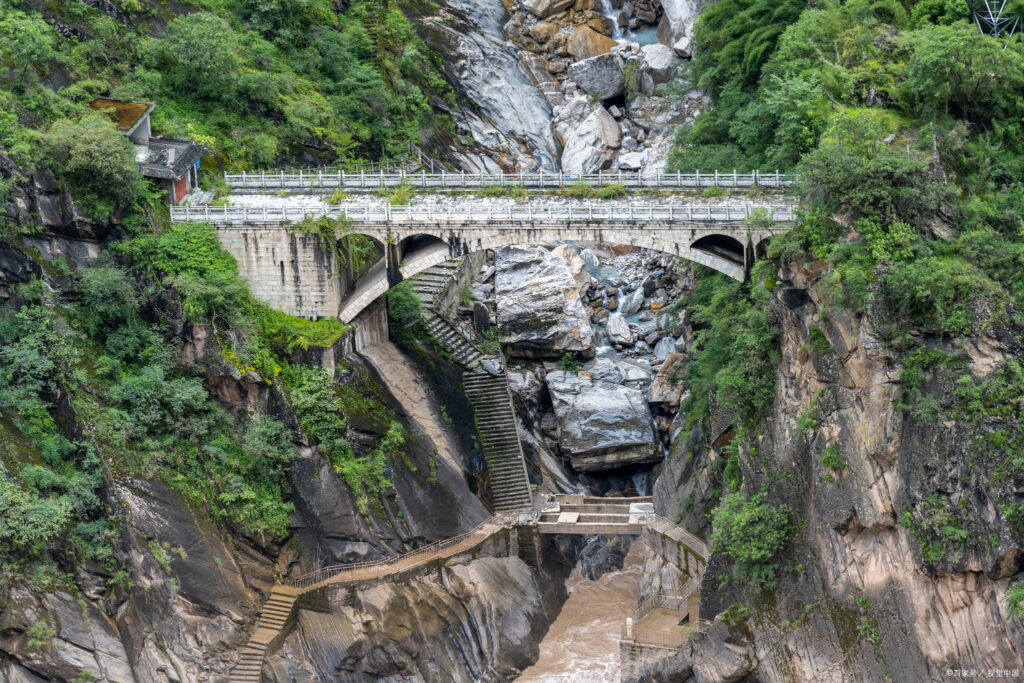
How to Get There
From Lijiang
Most travelers start from Lijiang:
Bus from Lijiang to Qiaotou (~2 hours)
From Shangri-La
Bus or car to Qiaotou (~2–3 hours)
End Point Transport
After finishing the trek:
Return to Lijiang or continue to Shangri-La
Travel Tips
Take your time on the “28 Bends”
This steep section is challenging but manageable if you go slowly.
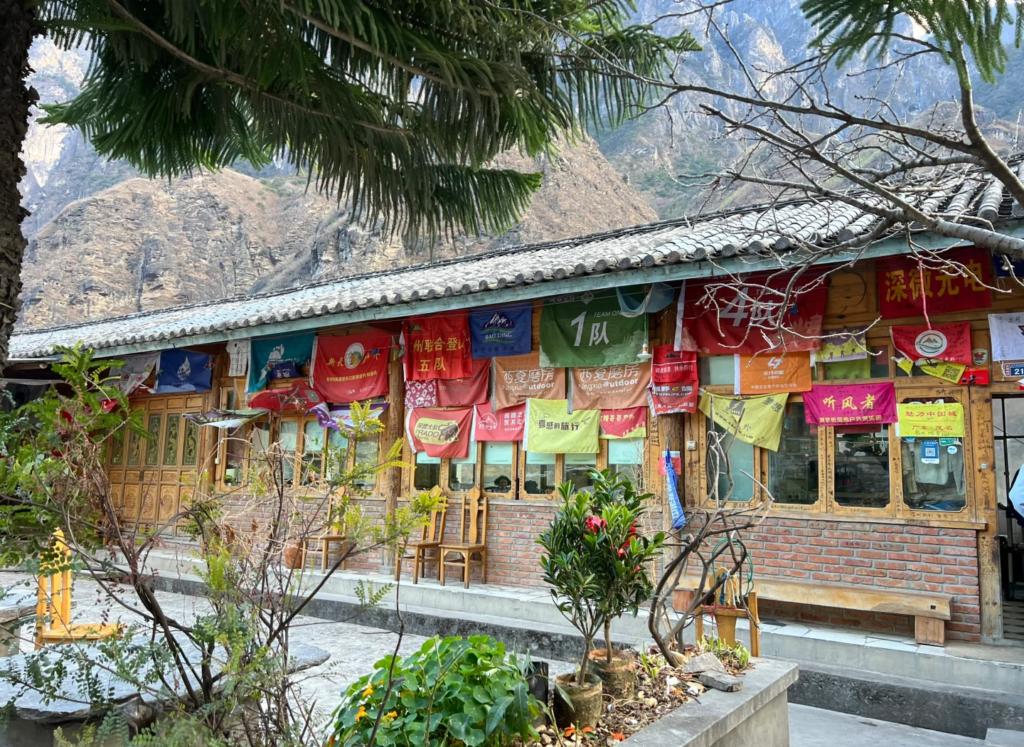
Stay in guesthouses
One of the best parts of this trek is the experience of staying in simple mountain lodges with incredible views.
Bring cash
Many places along the trail don’t accept cards.
Pack light
You’ll feel every extra kilogram during the climb.
Don’t underestimate the altitude
While not extreme, the elevation can still affect your stamina.
Start early
Morning light is beautiful, and temperatures are cooler.
Conclusion
The Tiger Leaping Gorge trek is one of the most rewarding hiking experiences in China. It’s not just about reaching a destination—it’s about the journey itself: the climbs, the views, the quiet moments along the trail.
Compared to more famous scenic areas, this trek feels authentic and adventurous. You’re not just observing nature—you’re moving through it.
For travelers seeking something real, challenging, and unforgettable, Tiger Leaping Gorge is one of the best hiking destinations in China.