
Travel Guide to Yunnan
Introduction
The first time I arrived in Yunnan, I remember stepping off the train in Kunming and immediately noticing something different—the air felt softer, the pace slower, and the atmosphere far more relaxed than anywhere else I had visited in China.
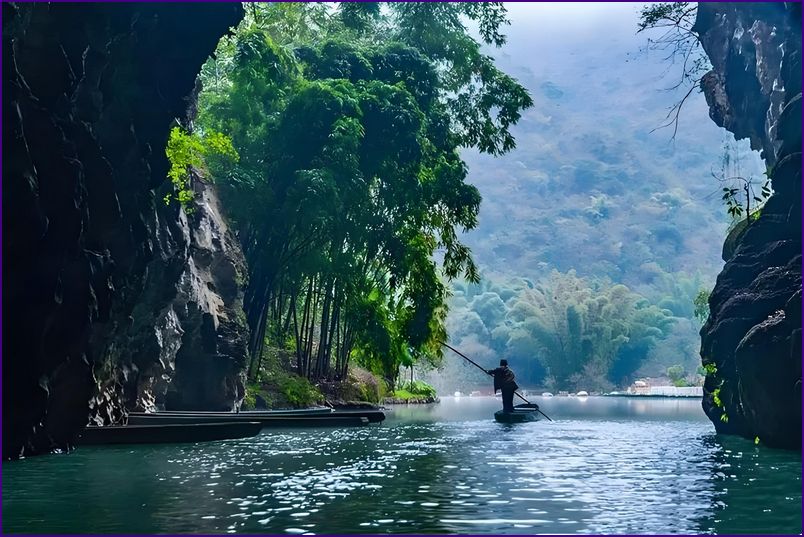
Over the following weeks, traveling through ancient towns, mountain valleys, and highland plateaus, I realized that Yunnan isn’t just another destination—it’s an entirely different side of China. From snow-capped peaks near Shangri-La to the quiet waters of Erhai Lake in Dali, every stop felt like a new country.
This travel guide to Yunnan is designed to help international travelers explore one of China’s most beautiful and diverse regions, with practical advice, real experiences, and tips you won’t easily find elsewhere.
Overview
Yunnan Province sits in southwest China, bordering countries like Myanmar, Laos, and Vietnam. Because of its geography, it has one of the most diverse landscapes in Asia.
In one single trip, you can experience:
-
Snow mountains rising above 5,000 meters
-
Deep gorges carved by powerful rivers
-
Ancient towns with centuries of history
-
Tropical valleys and rice terraces
-
Tibetan-style highland culture
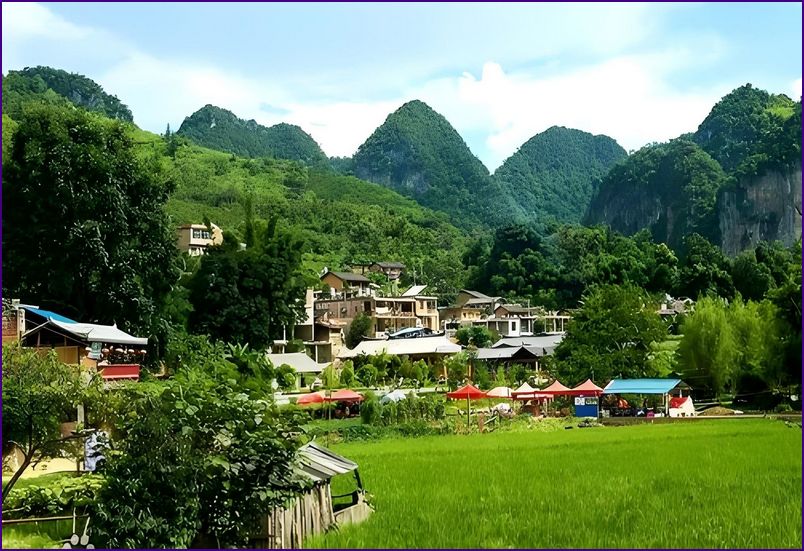
What makes Yunnan special is not just its nature—but how culture and landscape blend together. Unlike many tourist-heavy areas in China, Yunnan still feels authentic.
Some highlights you shouldn’t miss:
-
Lijiang – cobblestone streets and mountain views
-
Dali – laid-back lakeside life
-
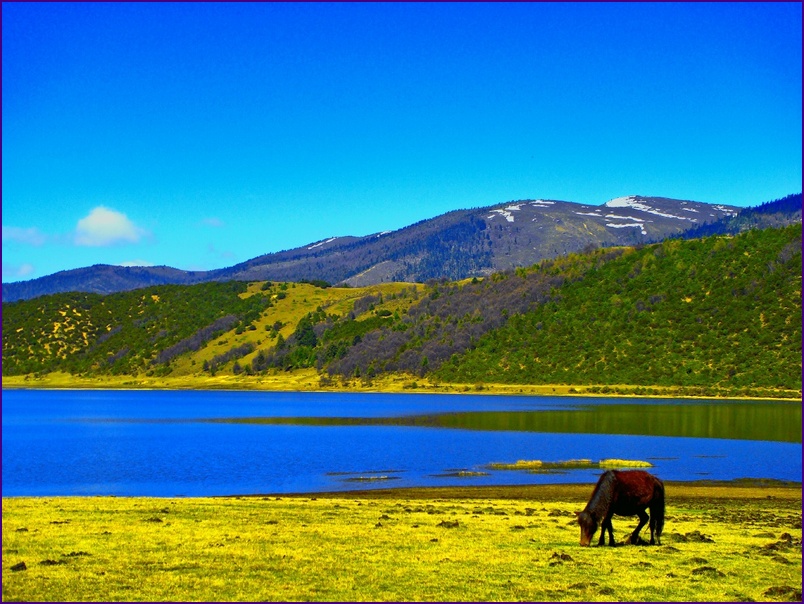
Shangri-La – Tibetan culture and high-altitude scenery
-
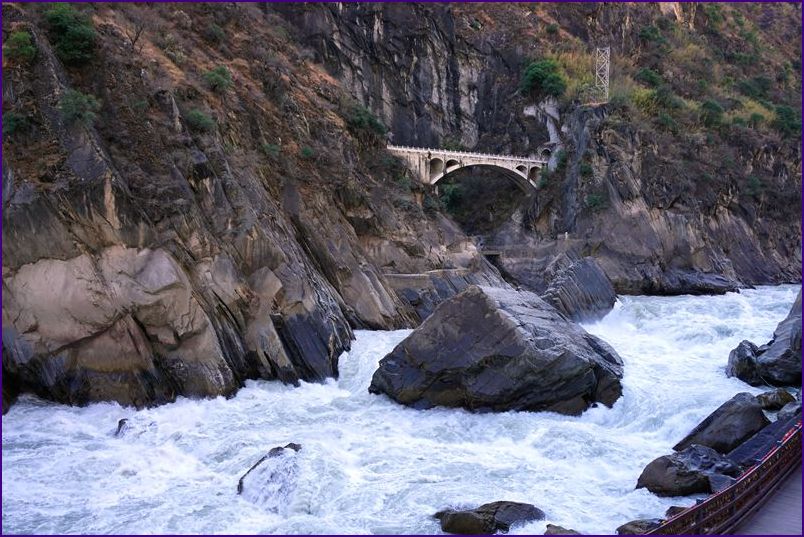
Tiger Leaping Gorge – one of the best hikes in China
-
Yuanyang Rice Terraces – stunning sunrise landscapes
Compared to places like Beijing or Shanghai, Yunnan feels slower, more natural, and much closer to the “real” China.

How to Visit
Planning a trip to Yunnan depends heavily on your time and travel style. The province is large, so choosing a route is essential.
Classic First-Time Route (7–10 Days)
This is the most recommended itinerary:
-
Kunming → Dali → Lijiang → Shangri-La
This route gives you a perfect mix of:
-
Nature
-
Culture
-
Mountains
-
Ancient towns
Nature & Hiking Route
If you’re more into outdoor experiences:
-
Lijiang → Tiger Leaping Gorge → Shangri-La
This route is ideal for:
-
Hiking
-
Photography
-
Mountain landscapes
One of my personal highlights was hiking Tiger Leaping Gorge—standing above the roaring river with cliffs towering on both sides felt surreal.
Slow Travel Route
If you prefer a relaxed trip:
-
Spend more time in Dali
-
Rent a bike around Erhai Lake
-
Explore local villages
Yunnan is one of the few places in China where slowing down actually feels natural.
Best Time to Visit
Yunnan is often called “the land of eternal spring,” but each season offers something different.
Spring (March – May)
-
Flowers bloom across the region
-
Mild temperatures
-
Great for photography
This is one of the best times for first-time visitors.

Summer (June – August)
-
Lush green landscapes
-
Occasional rain
-
Cooler in mountain areas
Unlike other parts of China, summer in Yunnan is still comfortable, especially in higher regions.
Autumn (September – November)
-
Clear skies
-
Crisp air
-
Ideal for hiking
If you want the best overall experience, autumn is probably the perfect season.
Winter (December – February)
-
Quiet and peaceful
-
Snow in Shangri-La
-
Mild in Dali and Kunming
I visited Dali in winter and was surprised by how comfortable it felt—sunny days, fewer tourists, and beautiful mountain views.
How to Get There
International Access
Most travelers enter Yunnan through:
-
Kunming Changshui International Airport
There are flights from:
-
Bangkok
-
Singapore
-
Kuala Lumpur
Domestic Travel
From major Chinese cities:
-
Beijing → Kunming (flight ~3.5 hours)
-
Shanghai → Kunming (flight ~4 hours)
-
Chengdu → Kunming (short flight or train)
Getting Around Yunnan
-
High-speed trains: Kunming ↔ Dali ↔ Lijiang
-
Buses: smaller towns and rural areas
-
Private cars: best for flexibility
One thing I learned quickly—distances in Yunnan are bigger than they look on the map, so don’t overpack your itinerary.
Travel Tips
Take altitude seriously
Shangri-La is over 3,000 meters. Walk slowly on your first day and stay hydrated.
Start early for popular spots
Places like Lijiang can get crowded by midday. Early morning feels completely different—quiet and magical.
Bring layers
Even in summer, mountain areas can get cold, especially at night.
Try local food
Yunnan cuisine is very different from other Chinese regions. Don’t miss:
-
Rice noodles (Crossing the Bridge Noodles)
-
Wild mushroom hotpot
-
Local goat cheese in Dali
Stay longer in fewer places
Instead of rushing, spend more time in 2–3 locations. Yunnan rewards slow travel.
Conclusion
Yunnan is not just a destination—it’s an experience that stays with you long after you leave. The combination of dramatic landscapes, diverse cultures, and relaxed atmosphere makes it one of the most rewarding regions to explore in China.
Whether you’re hiking through deep gorges, watching sunrise over rice terraces, or simply enjoying a quiet afternoon by a lake, Yunnan offers something rare: a sense of space, freedom, and authenticity.
For international travelers looking to go beyond typical tourist routes, travel to Yunnan is one of the best decisions you can make in China.