Jiuzhaigou Valley Travel Guide: Tickets, Routes and Best Season
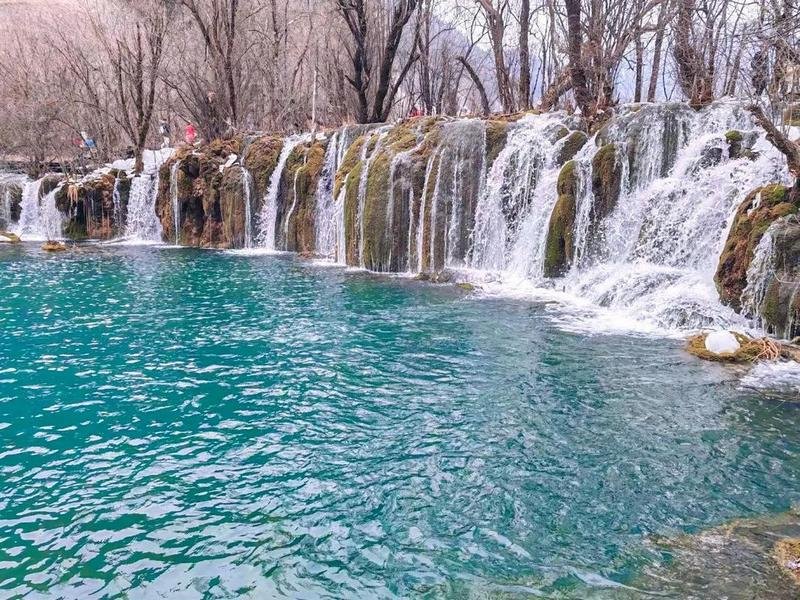
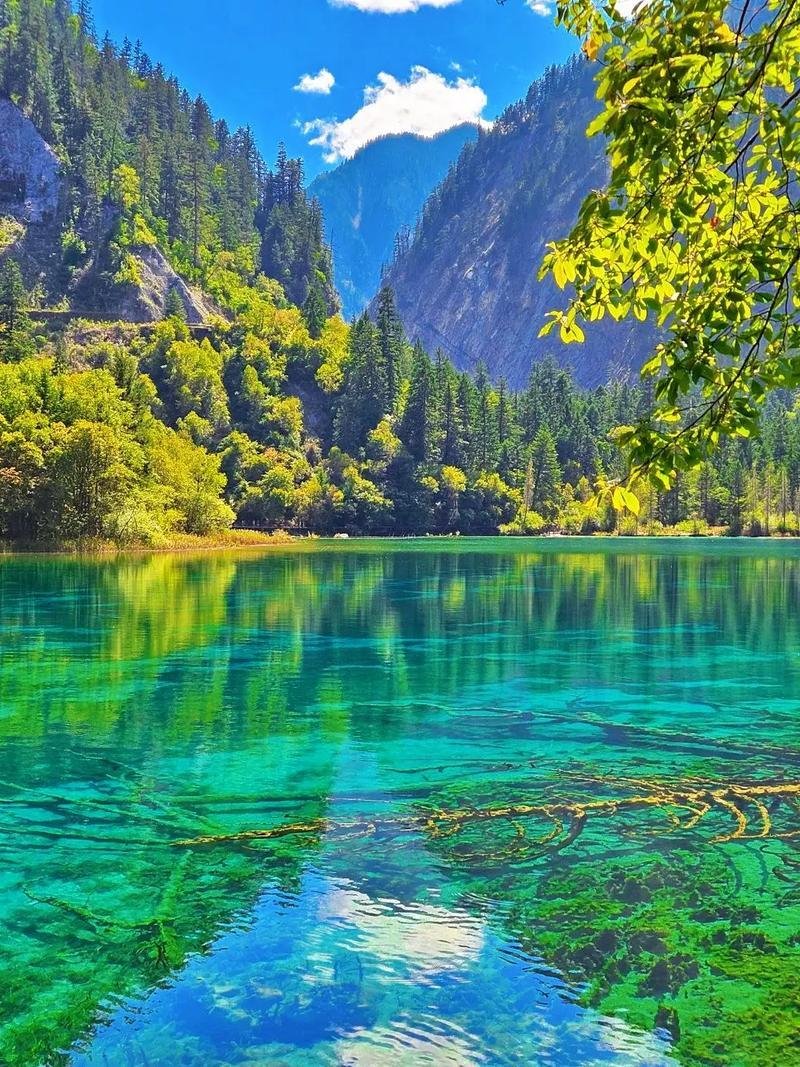
Jiuzhaigou is a 720-square-kilometre valley system in northern Sichuan, arranged in a rough Y, with more than a hundred lakes stacked along its three arms. The water is the reason people come: travertine dams hold it in terraces, dissolved limestone gives it colour, and fallen trees lie on the bottom without rotting, visible through water that is often clear for several metres.
The park is also one of the most tightly managed landscapes in China. Visitor numbers are capped, entry times are fixed, tickets are sold by passport number, and almost everybody moves along the same bus-and-boardwalk circuit. That protects the valley and frustrates travellers who arrive without a booking. This guide covers the tickets, a route that avoids the worst of the crowds, and what each season actually delivers.
Jiuzhaigou at a glance
| Location | Northern Sichuan, Aba Tibetan and Qiang Autonomous Prefecture, about 400 km north of Chengdu |
|---|---|
| Area | 720 km², with three main valleys |
| UNESCO status | World Natural Heritage since 1992 |
| Altitude | 2,000 m at the gate to 3,100 m at Long Lake |
| Peak-season ticket | about ¥190 plus about ¥90 for the shuttle bus |
| Daily visitor cap | around 41,000, booked in advance |
| Best months | Late September to late October |
| Suggested stay | 1–2 days in the park, 2–3 nights nearby |
| Nearest airport | Jiuzhai Huanglong (JZH), about 90 km away |
Tickets, booking and the daily cap
In peak season, roughly April to mid-November, a one-day ticket costs about ¥190 and the shuttle bus about ¥90. Winter prices fall to around ¥80 for entry and ¥80 for the bus, and a few upper sections may close after heavy snow. Prices are revised most years, so confirm the current figure on the official Jiuzhaigou WeChat mini-program rather than trusting a number from an old guidebook.
Book online in advance using your passport number. Entry slots are timed, the park turns people away once the cap is reached, and the bus is effectively part of the ticket: the distances between lakes are too long to walk in a day. A ticket covers one day only, so a second visit means paying again. Foreign cards often fail in Chinese booking systems, so connect Alipay or WeChat Pay to an international card before you travel, or bring cash for the ticket office.
Getting there
By high-speed rail
The Chengdu–Lanzhou line, covered in the China high-speed rail guide, has made the valley far easier to reach. Trains from Chengdu East take about two hours to Huanglongjiuzhai station, and shuttle buses from the station cover the remaining distance to the park gate in roughly another two hours. This is the most reliable option in bad weather, when mountain roads are the slow part of the journey.
By air
Jiuzhai Huanglong Airport sits at 3,448 m, about 90 km from the valley, with flights from Chengdu, Chongqing, Xi’an and a handful of other cities. The drive down takes about two hours. Landing high and then descending can leave you with a headache, so keep arrival day light and do not combine it with a long hike.
By road
Long-distance buses from Chengdu take eight to ten hours, and private drivers do the same run in seven to nine. The road through Wenchuan and Songpan is scenic and prone to landslides and closures in the rainy season. If you are coming from Songpan or Huanglong, the final approach is short and the mountain scenery is the best part of the trip.
The Y-shaped route that works
Three valleys meet at Nuorilang in the centre of the park: Shuzheng in the north, Rize in the southeast and Zechawa in the southwest. Buses run to the top of each arm, and the sensible strategy is to ride up and walk down, letting the bus do the climbing while you spend your energy on the boardwalks.
Morning: Zechawa valley and Long Lake
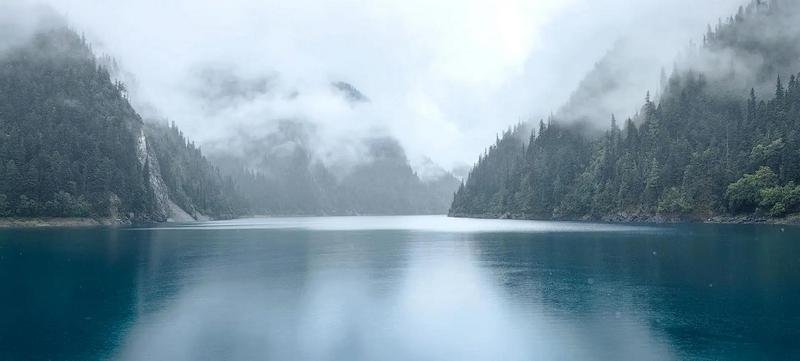
Take the first bus of the day all the way to Long Lake at 3,100 m, the largest and deepest water in the valley. Walk the short boardwalk down to Five Colour Pool, then ride or walk down to Nuorilang. Arriving at the top early matters: by 10 am the lake is ringed with tour groups and the light is flat.
Midday: Nuorilang and Rize valley
Nuorilang Waterfall is the widest in the park and takes twenty minutes. From there, take the bus up Rize valley and work downhill through the best water: Five Flower Lake, Pearl Shoal Waterfall and Mirror Lake. Five Flower Lake is the one to linger at, with sunken logs visible through water that shifts from green to blue as the light changes.
Afternoon: Shuzheng valley
Finish in the lower valley, where the Shuzheng Lakes and the nearby shoals are linked by easy boardwalk. This section is close to the exit, so it works well at the end of the day when you are tired and the buses are heading out. If you have two days, reverse the order and give the upper valley a full morning.
Two days also lets you walk the trails between stops instead of riding every segment, which is where the park becomes quiet. For how the valley fits a wider Sichuan itinerary, see the best scenic spots in Sichuan.
Where to stay
Zhangzha town, also called Pengfeng, is the practical base: two or three kilometres from the gate, with hotels, guesthouses, noodle shops and a few coffee places. Jiuzhaigou county town is 40 km away, cheaper and less convenient, adding an hour each way. Overnight stays inside the park are not permitted for ordinary visitors, whatever older blogs suggest.
When to go
| Season | What you get | Caveats |
|---|---|---|
| April–May | Fresh green, few visitors, low waterfalls | Cold mornings, bare branches above 2,800 m |
| June–August | Full waterfalls, lush forest, warm days | Rain, cloud and domestic school holidays |
| Mid-September–late October | Peak colour, clear water, the classic photographs | Busy, expensive, tickets sell out |
| November–March | Snow, frozen waterfalls, near-empty boardwalks | Ice underfoot, some sections closed, cold |
Avoid the National Day week from 1 to 7 October unless you enjoy queueing and sharing every viewpoint with a crowd. Mid to late October is still busy but the colour is reliable and the air is clearer. Snow can arrive in early November, which is the start of the quiet season and the cheapest month to visit. For the national picture, see the best time to visit China.
Altitude, weather and park rules
The valley itself is modest: 2,000 m at the gate, 3,100 m at Long Lake. Altitude sickness is uncommon here, but it becomes a real consideration if you fly into the 3,448 m airport or add Huanglong scenic area, next door, where the boardwalks sit between 3,200 and 3,600 m. Treat the first day as a warm-up and drink more water than you think you need.
- Stay on the boardwalk. The lakes and travertine terraces are fragile, and stepping off the planks is fined.
- No swimming, no drones, no feeding wildlife. All three are prohibited and enforced.
- Expect slippery wood. After rain or frost the planks are treacherous; shoes with grip matter more than another lens.
- Afternoon storms are common in summer. Carry a light rain shell and leave the exposed upper valley by 3 pm.
- Trails can close without notice. Repairs after the 2017 earthquake still affect some sections, and heavy rain sometimes shuts the upper valleys.
Where to go next
Jiuzhaigou sits in the middle of a strong Sichuan and plateau circuit. Daocheng Yading is the other great lake-and-snow-peak reserve in the province, higher and wilder. Mount Siguniang adds real hiking to a trip that is otherwise mostly boardwalks. Kanas Lake in Xinjiang offers a similar palette in a far more remote setting. For alternatives closer to Chengdu, see 15 natural wonders in China and the best national parks in China.
Frequently asked questions
How much does Jiuzhaigou cost to visit?
In peak season the entrance ticket is about ¥190 and the shuttle bus about ¥90, so budget roughly ¥280 per person per day. Winter prices drop to around ¥80 for entry and ¥80 for the bus. Prices are revised most years, so check the official Jiuzhaigou mini-program before booking.
Do you need to book Jiuzhaigou tickets in advance?
Yes. The park caps daily visitors at around 41,000 and sells timed-entry tickets by passport number, so book online before you travel. Tickets sell out during the first week of October and on summer weekends. Foreign cards sometimes fail in Chinese payment apps, so set up Alipay or WeChat Pay in advance.
How many days do you need in Jiuzhaigou?
One full day covers the highlights if you use the buses efficiently. Two days lets you walk more boardwalk sections and see the quieter upper valley without rushing. A ticket is valid for one day only, so a second day means buying another ticket.
When is the best time to see Jiuzhaigou?
The last two weeks of October, when the forest turns red and gold against turquoise water. The first week of October is the busiest of the year, so aim for mid-October or later. Winter is quiet and cheap, with frozen waterfalls and snow on the boardwalks.
Is altitude sickness a problem in Jiuzhaigou?
Rarely. The valley floor is about 2,000 m and the highest lake, Long Lake, is 3,100 m. Problems are more likely if you fly into Jiuzhai Huanglong Airport at 3,448 m or add Huanglong scenic area, which sits at 3,200–3,600 m.
How do you get to Jiuzhaigou from Chengdu?
The fastest route is the high-speed train to Huanglongjiuzhai station, about two hours, then a shuttle bus of roughly two hours to the park gate. Flying to Jiuzhai Huanglong Airport takes about an hour from Chengdu but the airport is 90 km away. Buses from Chengdu take eight to ten hours by road.
Keep reading
Nature & Parks
National Parks in China: What the Designations Actually Mean
Two systems, and why the confusion matters Search for "national parks in China" and you will get a list that …
Nature & Parks
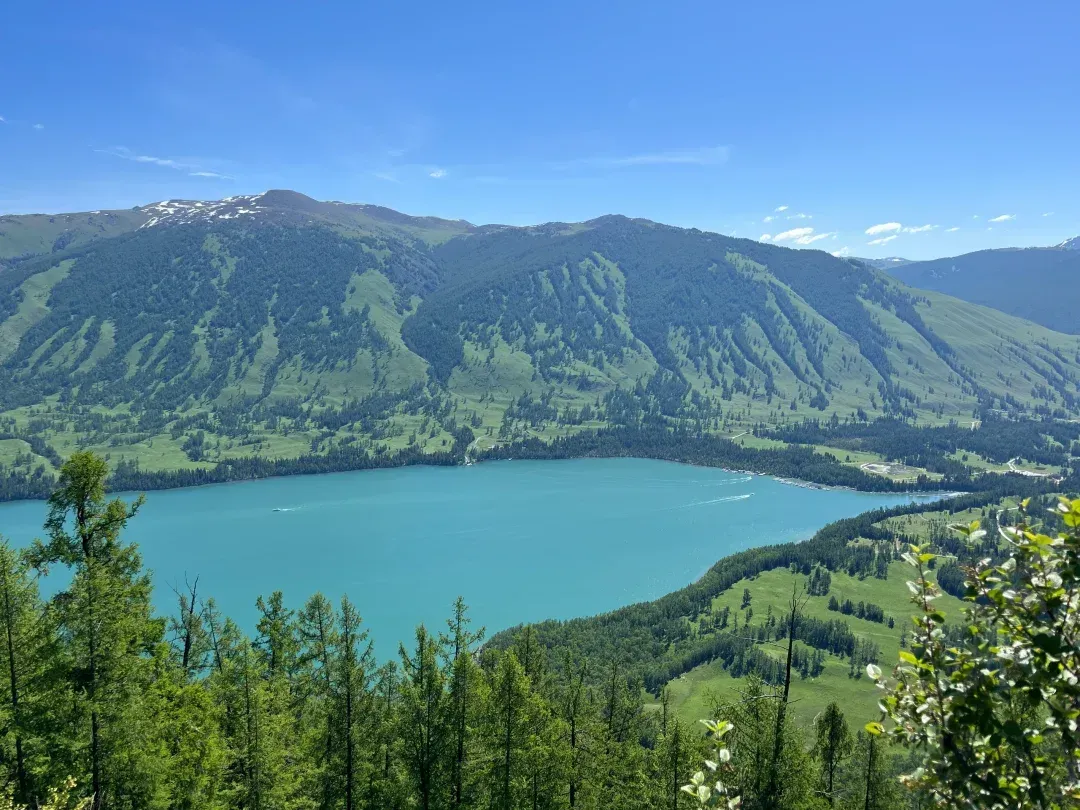
Kanas Lake: Hemu, Baihaba and the Autumn Window in Xinjiang
Kanas is a long, cold lake at about 1,370 m in the far north of Xinjiang, roughly 24 km from end to end and …
Nature & Parks
15 Natural Wonders in China: Karst, Desert, Lakes
The honest answer to "what should I see in China" is not a list of cities. It is a set of landscapes that do …