Mount Wutai Pilgrimage Guide (Travel Setup, Booking & Route Packages)
Introduction
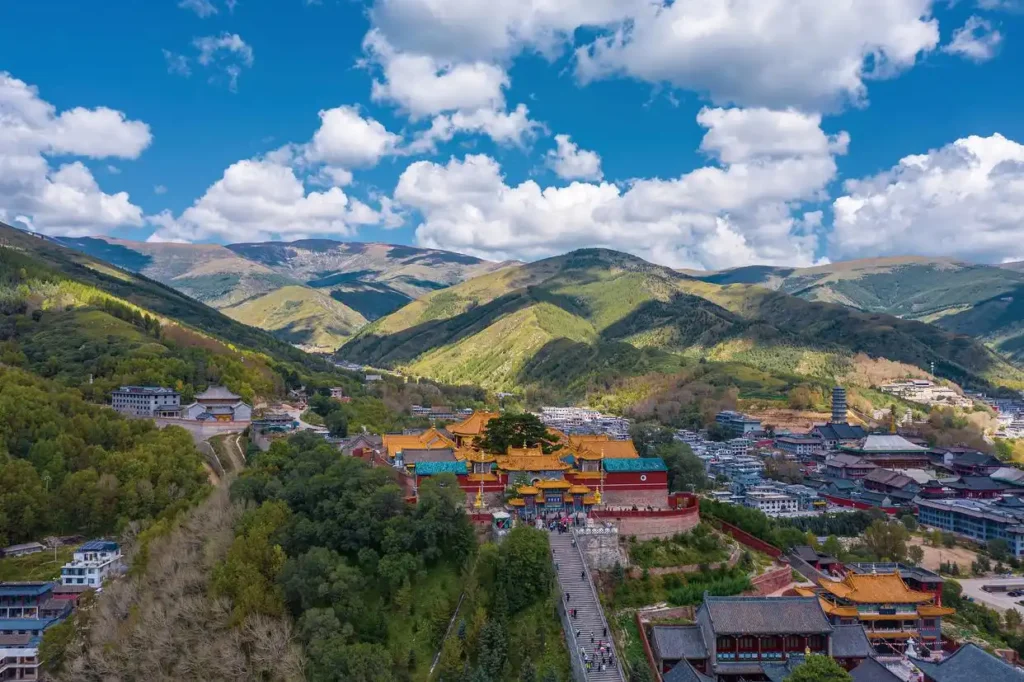
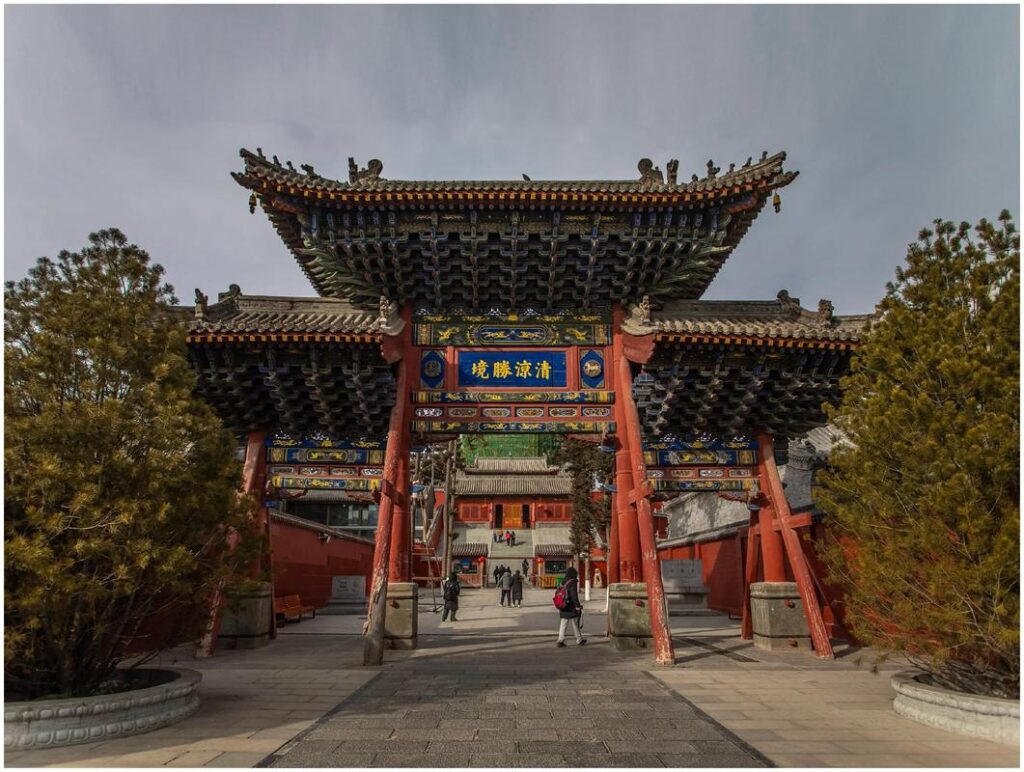
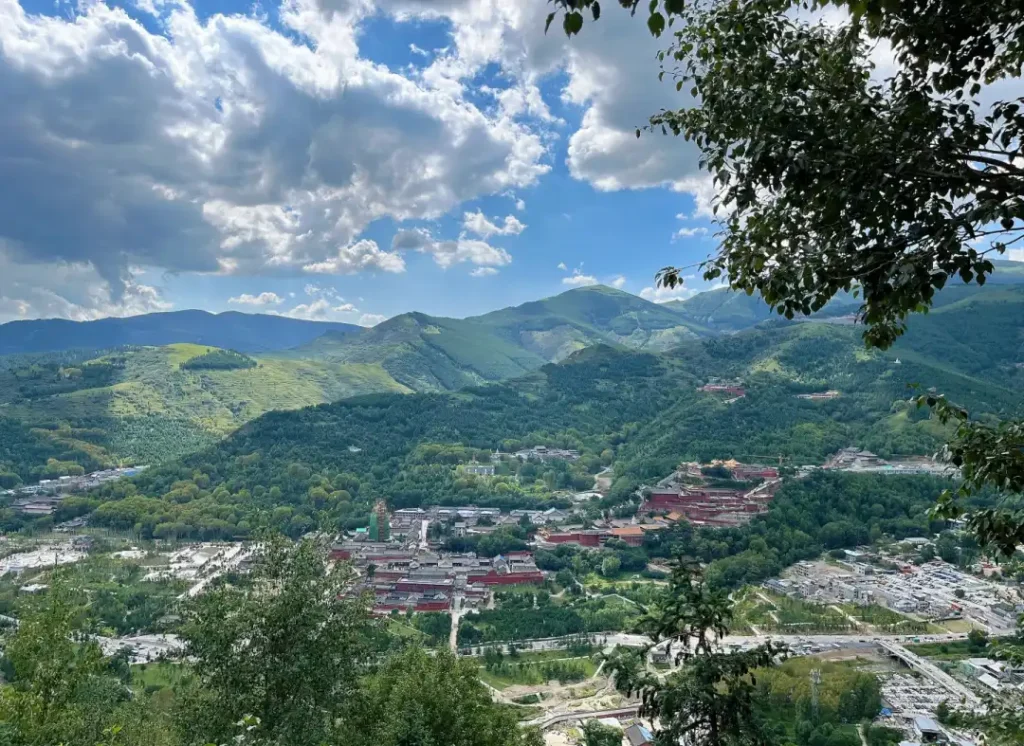
I arrived at Mount Wutai just before sunrise, when the air was thin, cold, and filled with the faint sound of temple bells. Mist drifted slowly across the valleys, revealing golden rooftops and ancient monasteries perched on the mountainside.
Unlike the dramatic cliffs of Mount Hua or the misty granite peaks of Huangshan (Yellow Mountain), Mount Wutai felt different—calmer, more spiritual, almost timeless.
This is not just a mountain. It’s a pilgrimage.
In this Mount Wutai pilgrimage guide, I’ll show you how to explore this sacred destination—from travel planning (办理), route setup, and transportation “arrangements” to choosing the right travel packages (套餐) for a smooth and meaningful journey.
Overview
Mount Wutai is one of the Four Sacred Buddhist Mountains in China, dedicated to Manjushri, the Bodhisattva of wisdom.
What makes the mount wutai pilgrimage unique is not just the landscape, but the atmosphere:
-
Over 40 temples scattered across five flat peaks
-
High-altitude plateau (over 3,000 meters)
-
Deep connection to Tibetan and Han Buddhism
-
A peaceful, meditative environment
Unlike tourist-heavy destinations, Mount Wutai still feels like a living spiritual center. Pilgrims walk long distances, monks chant in ancient halls, and prayer flags flutter in the wind.
How to Visit
There are several ways to experience a mount wutai pilgrimage, depending on your travel style.
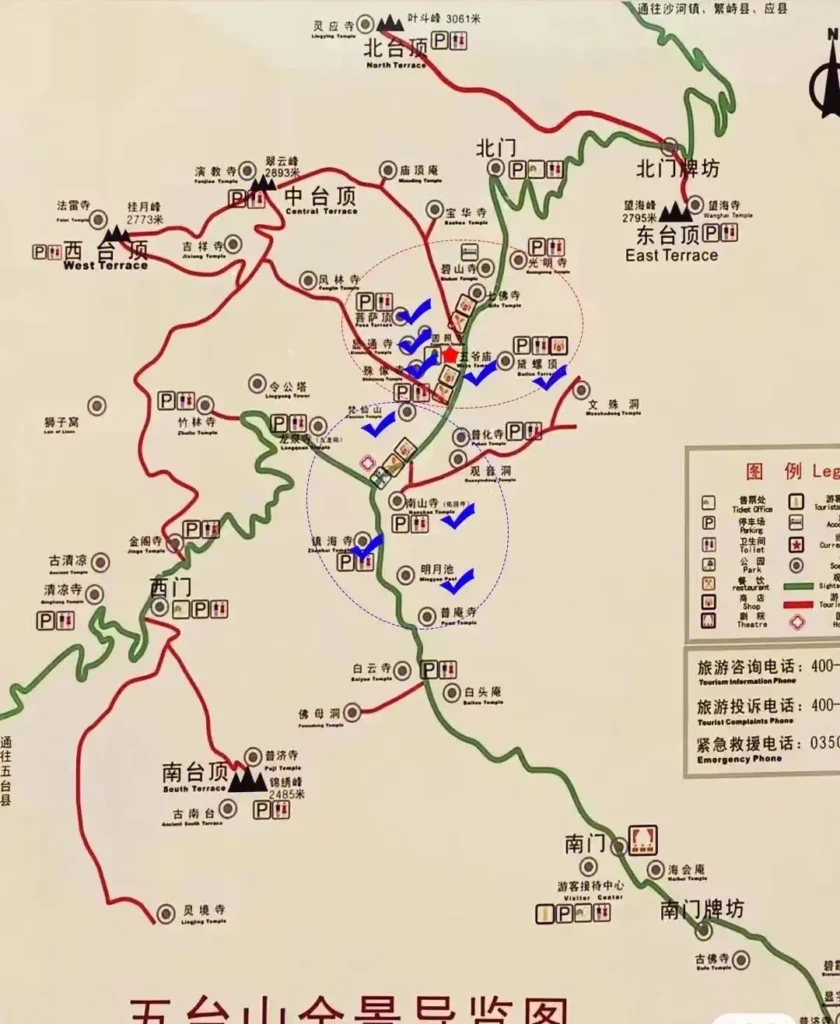
Option 1: Independent Pilgrimage (DIY Setup / 办理)
If you want a deeper experience:
-
Plan your own route
-
Book accommodation inside the scenic area
-
Visit temples at your own pace
This option gives you full flexibility and a more authentic connection with the place.
Option 2: Guided Pilgrimage Packages (套餐)
Many travelers choose organized tours:
-
Transport + accommodation included
-
Guided temple visits
-
Structured itinerary
These packages are ideal if you want everything “installed” (安装) and arranged in advance without stress.
Option 3: Hybrid Travel
-
Travel independently
-
Join local temple tours
This is a great balance between freedom and convenience.
Suggested Route (2–3 Days)
Day 1: Arrival + temples in Taihuai Town
Day 2: Visit main temples + optional hiking
Day 3: Sunrise + departure
Best Time to Visit
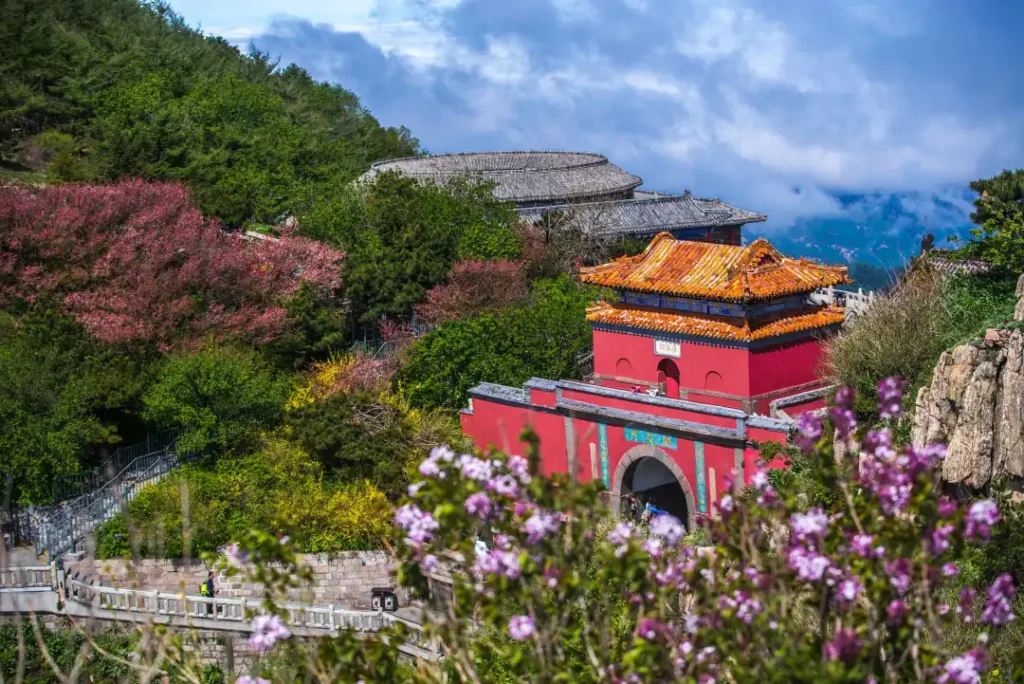
Spring (April – June)
-
Cool weather
-
Fewer tourists
-
Peaceful atmosphere
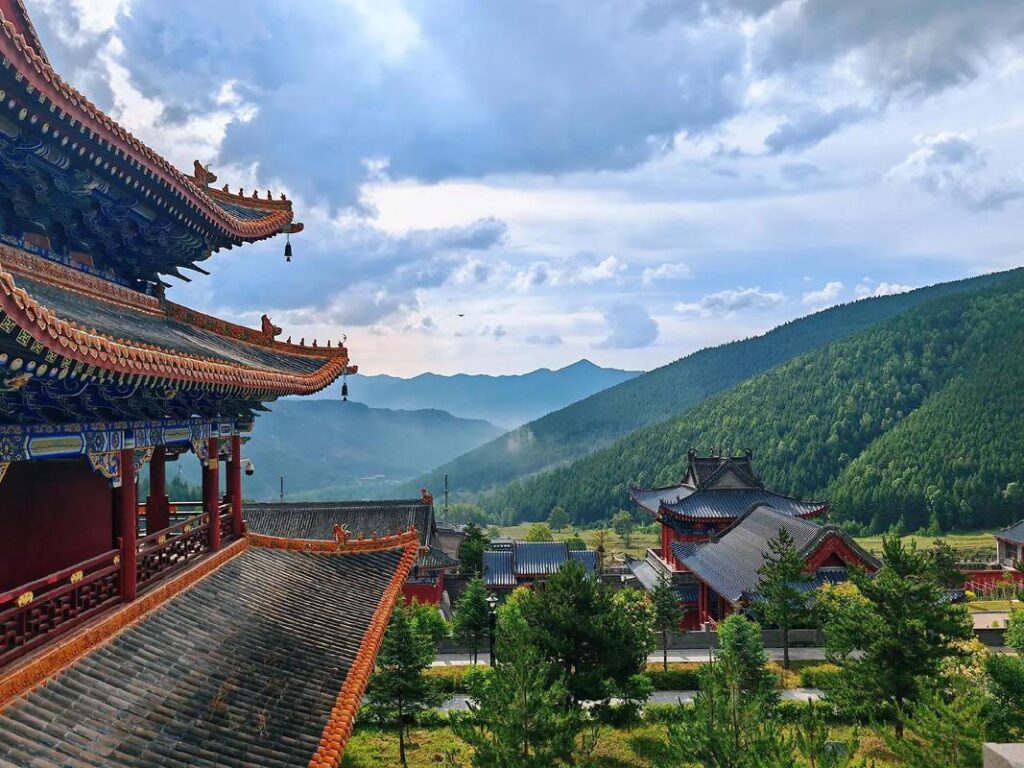
Summer (July – August)
-
Green landscapes
-
Most popular season
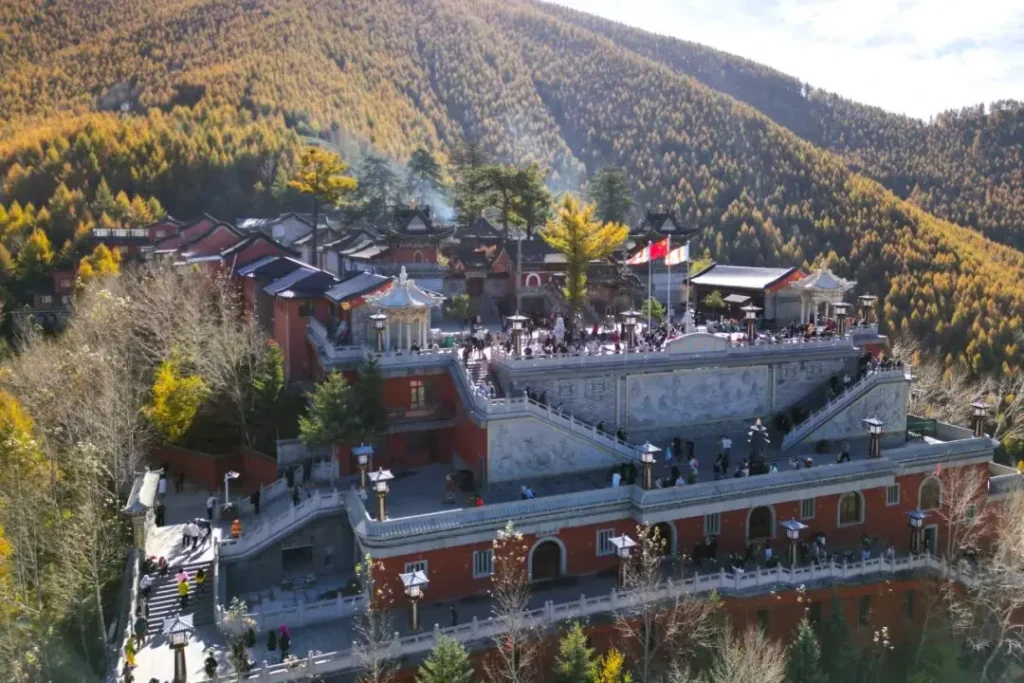
Autumn (September – October)
-
Clear skies
-
Best overall experience
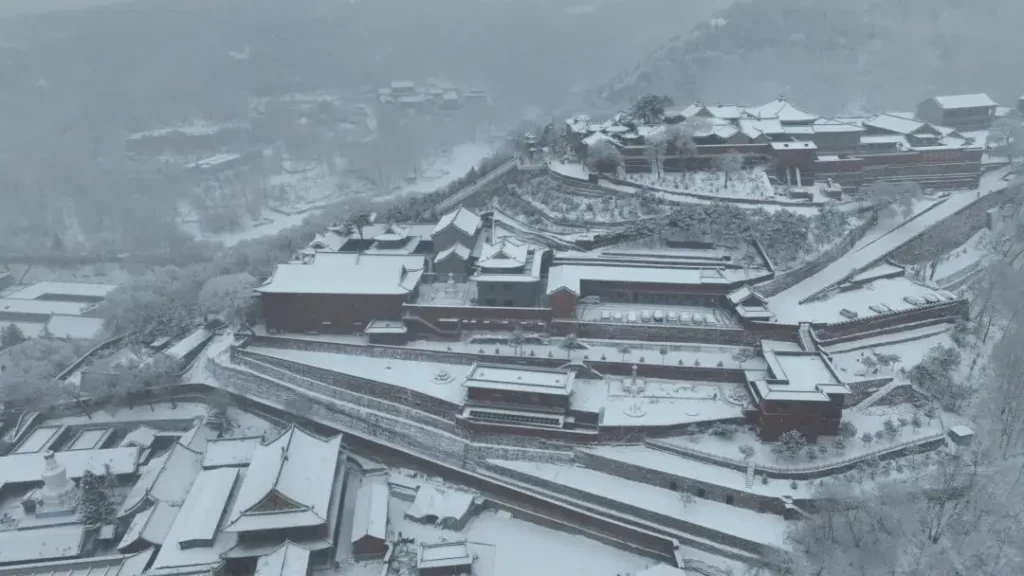
Winter (November – March)
-
Snow-covered temples
-
Very quiet but extremely cold
How to Get There
From Beijing
-
High-speed train to Wutai Mountain Station
-
Transfer by bus or taxi
From Taiyuan
-
Bus or private car (~4 hours)
Inside the Scenic Area
-
Shuttle buses connect major temples
-
Walking is also possible for pilgrims
Travel Tips
Respect religious practices
This is an active pilgrimage site—dress modestly and behave respectfully.
Start early in the morning
Temples are quiet and atmospheric before crowds arrive.
Prepare for altitude
You may feel shortness of breath—walk slowly.
Book accommodation in advance (办理)
Especially during peak seasons.
Choose the right travel package (套餐)
If you’re short on time, packages can simplify everything.
Bring warm clothing
Even in summer, mornings and evenings are cold.
Take time to disconnect
This is one of the few places where slowing down truly enhances the experience.
Conclusion
Mount Wutai is not just another scenic destination—it’s a place where nature and spirituality come together in a deeply meaningful way.
The mount wutai pilgrimage offers something rare in modern travel: silence, reflection, and a sense of connection to something greater than yourself.
Whether you plan your journey independently or choose a well-organized travel package, visiting Mount Wutai is an experience that stays with you long after you leave.
If your idea of china travel includes more than just sightseeing, this is a destination you shouldn’t miss.