
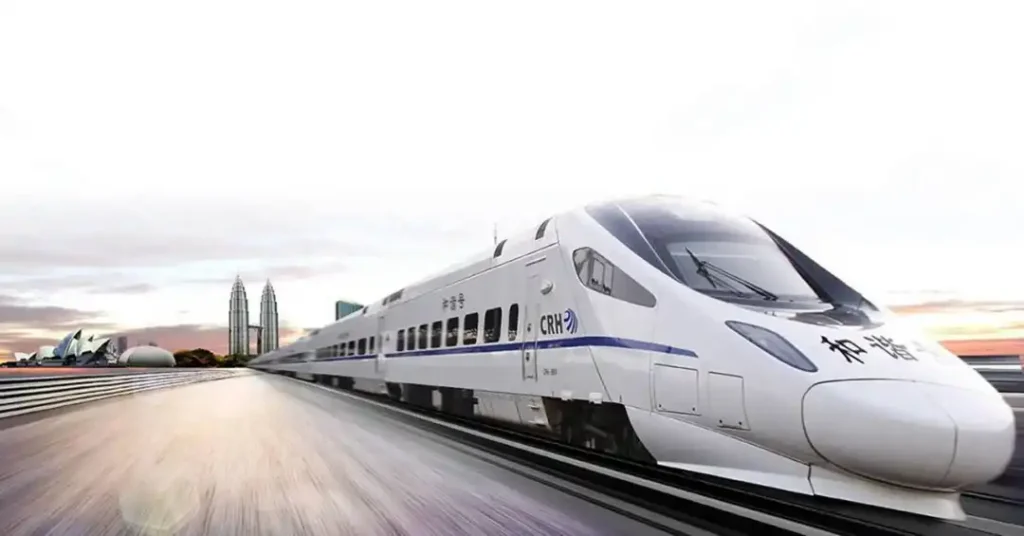
China High Speed Rail Guide
Introduction
The first time I stepped onto a high-speed train platform in China, I wasn’t sure what to expect. Within minutes, a sleek white train glided into the station almost silently. Inside, everything felt modern, clean, and incredibly efficient. Two hours later, I had traveled a distance that would have taken half a day by car.
That moment completely changed how I approached china travel.
If you’re planning to explore China, understanding the china high speed rail system is essential. It’s not just transportation—it’s one of the easiest, fastest, and most comfortable ways to experience the country.
Overview
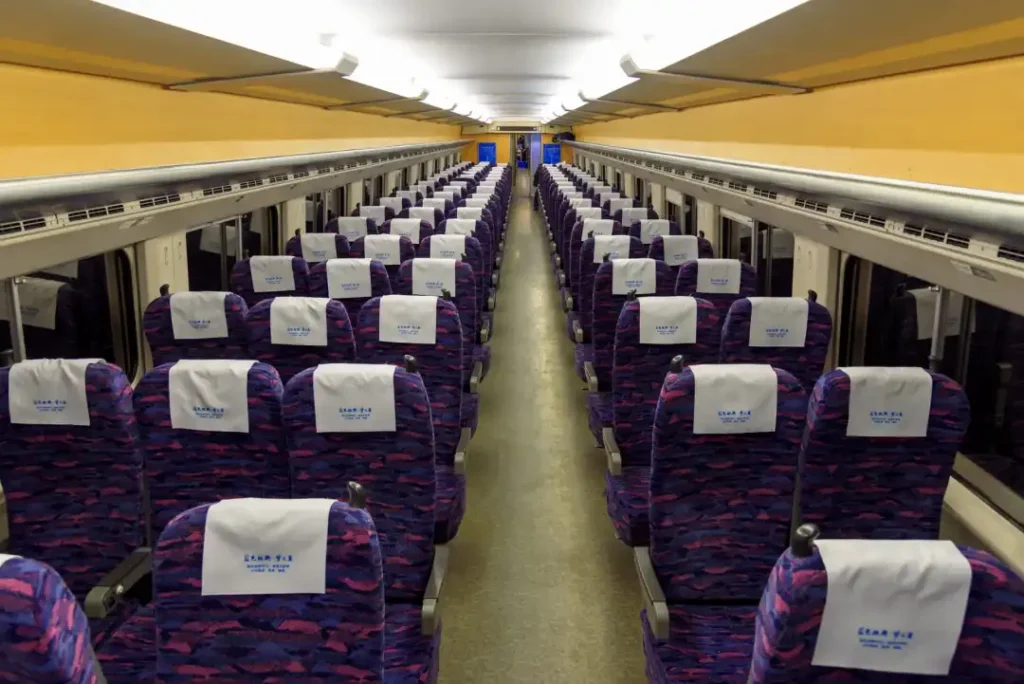
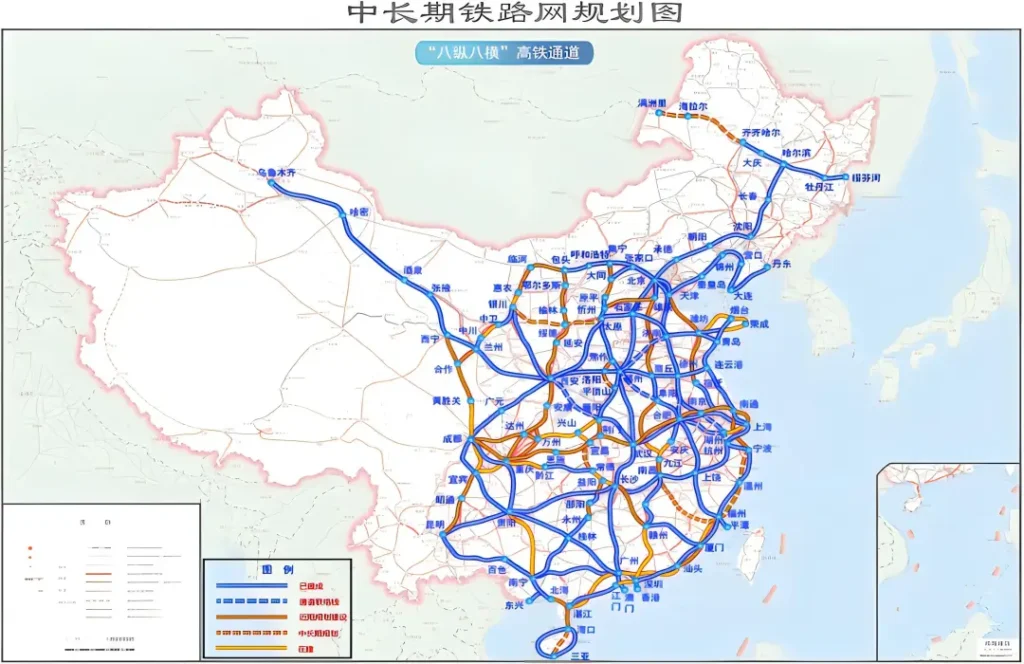
China has the largest high-speed rail network in the world, connecting major cities and even remote regions.
Key features of the china high speed rail system:
-
Speeds up to 350 km/h
-
Extensive nationwide coverage
-
Clean, modern, and punctual trains
-
Affordable compared to flights
Popular routes include:
-
Beijing → Shanghai (~4.5 hours)
-
Guangzhou → Shenzhen (~30 minutes)
-
Chengdu → Xi’an (~3–4 hours)
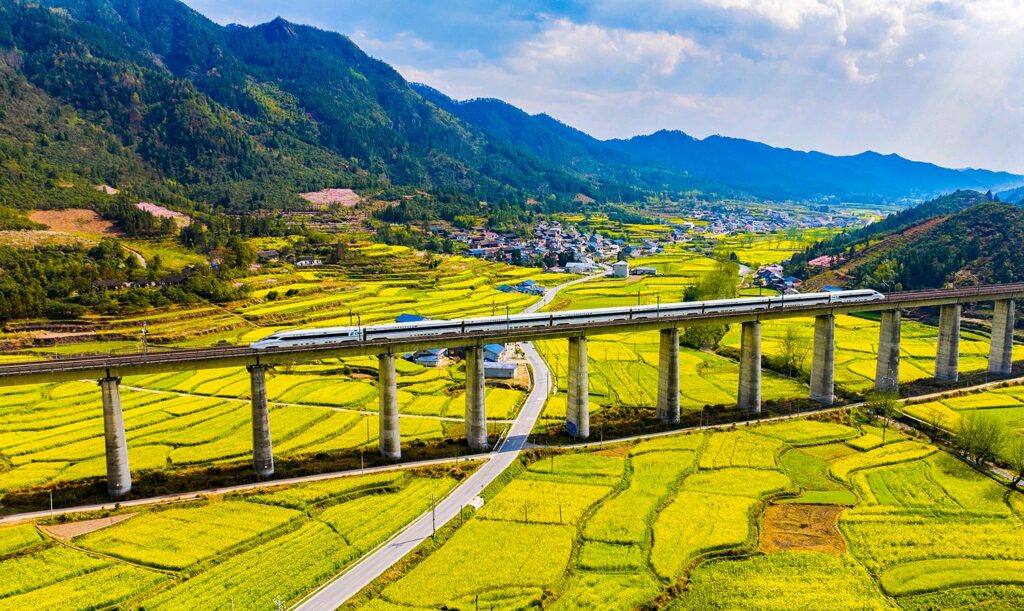
What impressed me most is how seamlessly trains connect with nature destinations. You can go from a mega-city to places like Huangshan (Yellow Mountain) or Zhangjiajie National Forest Park in just a few hours.
How to Visit
Using the china high speed rail system is straightforward once you understand the basics.
Step 1: Book Tickets
You can book tickets through:
-
Official railway website (12306)
-
Travel platforms like Trip.com
-
Train station counters
Tip: Book at least a few days in advance, especially during holidays.
Step 2: Choose Seat Class
-
Second Class → Affordable and comfortable
-
First Class → More space and quieter
-
Business Class → Luxury experience (similar to airplane business class)
For most travelers, second class is perfectly fine.
Step 3: Arrive Early
-
Arrive at least 30–45 minutes before departure
-
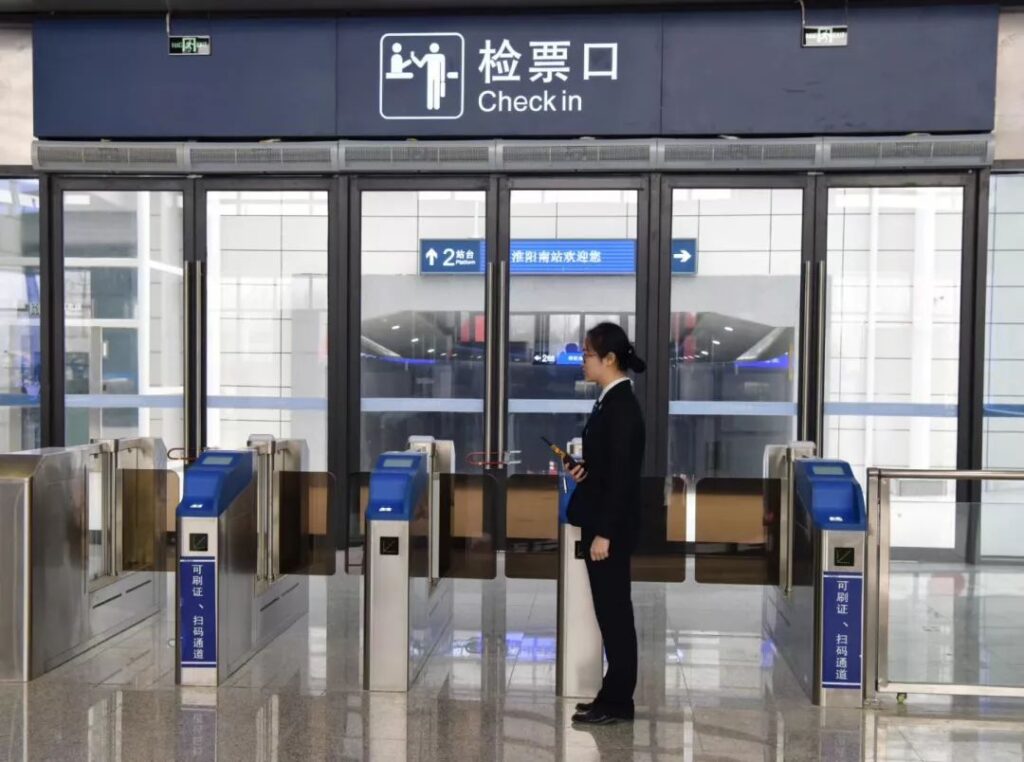
Security checks are similar to airports
Step 4: Board the Train
-
Boarding is organized by gate and ticket
-
Seats are clearly numbered
Best Time to Visit
Unlike natural attractions, the china high speed rail system runs year-round. However, timing still matters.
Avoid Peak Travel Periods
-
Chinese New Year (Spring Festival)
-
National Day Holiday (October 1–7)
-
Summer holidays
During these times:
-
Tickets sell out quickly
-
Stations are crowded
Best Travel Periods
-
March–May (Spring)
-
September–November (Autumn)
These seasons offer:
-
Comfortable weather
-
Easier ticket booking
-
Better travel experience
How to Get There
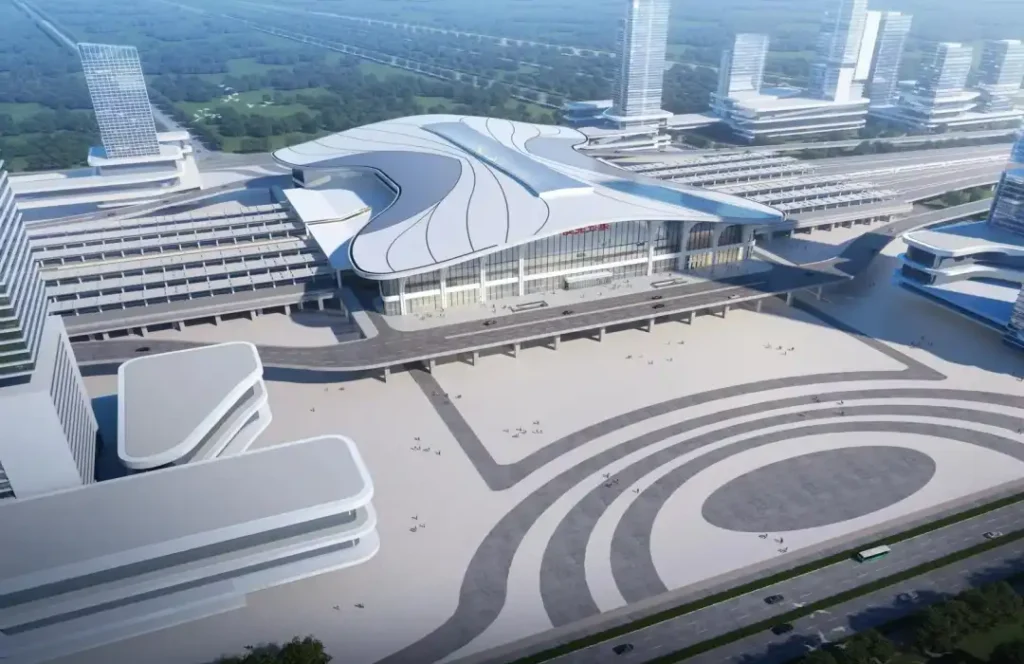
High-speed rail stations are located in almost every major city.
From Airports
Most cities have easy connections from airports to train stations via:
-
Metro systems
-
Taxis or ride-hailing apps
Major Railway Hubs
-
Beijing South Railway Station
-
Shanghai Hongqiao Station
-
Guangzhou South Station
Reaching Scenic Destinations
High-speed trains can take you close to many nature spots:
-
Huangshan North Station → Huangshan (Yellow Mountain)
-
Zhangjiajie West Station → Zhangjiajie National Forest Park
-
Guilin Station → Guilin Karst Mountains
Travel Tips
Book seats on the right side (sometimes)
On certain routes, one side offers better scenery—especially near mountains and rivers.
Bring your passport
You’ll need it for ticket purchase and boarding.
Pack snacks
Food is available onboard, but options can be limited.
Use translation apps
Not all station signs are perfectly translated.
Download tickets digitally
Many routes now support e-tickets linked to your passport.
Travel light
Storage space is limited for large luggage.
Arrive early for transfers
Large stations can take time to navigate.
Conclusion
The china high speed rail system is one of the biggest advantages of traveling in China. It turns what could be long, exhausting journeys into smooth, comfortable experiences.
Whether you’re heading to a modern city or a remote natural wonder, high-speed trains make exploring china nature easier than ever. For me, it completely transformed how I traveled across the country—and once you try it, you’ll likely feel the same.
If you’re planning your trip, don’t overlook this incredible system. It’s not just transportation—it’s part of the adventure.