Zhagana: China’s Hidden Stone Fortress, Where Nature & Tibetan Traditions Meet (Complete Travel Guide)
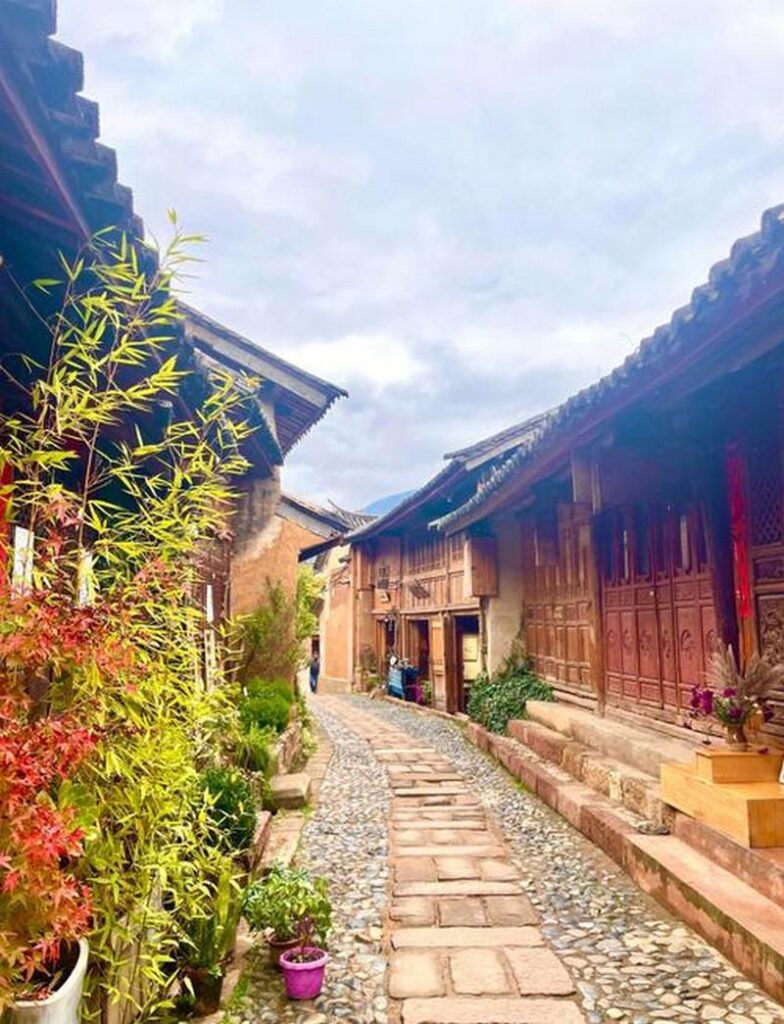
Deep in the Gannan Tibetan Autonomous Prefecture of Gansu Province, tucked between snow-capped peaks and ancient spruce forests, lies Zhagana — a natural stone city once called “the most beautiful place in the world” by explorer Joseph Rock. Known as the Stone Box among locals, this remote valley is surrounded by four towering limestone peaks, with Tibetan villages clinging to the hillsides like timeless tapestries. Far from the crowds of Beijing or Shanghai, Zhagana is a paradise for hikers, cultural lovers, and anyone craving an authentic taste of China’s wild west.
The Magic of Seasons in Zhagana
Every season paints Zhagana in a unique hue, and choosing the right time will make your trip unforgettable:
- June – July: Alpine meadows burst into a sea of wildflowers. The air is cool, and the green of barley fields blends perfectly with the gray stone peaks. Ideal for casual hiking and flower photography.
- September – October: Autumn foliage turns the valley into a palette of gold, orange and crimson. The morning mist wraps around the villages, creating a fairy-tale scene. This is the peak season for landscape photographers.
- Winter (December – February): A quiet snow-covered wonderland. Fewer tourists, pure white snow, frozen waterfalls and clear starry skies. Great for off-the-beaten-path solitude, but prepare for extreme cold.
Must-Visit Spots & Unforgettable Hikes
Iconic Viewpoints
- Dari Viewpoint: The ultimate spot for sunrise and sea of clouds. Arrive at 5:30–6:00 am (summer/winter adjusted). Watch as the golden sunlight pierces the mist, gradually illuminating the stone city and Tibetan villages below.
- Rock Viewpoint: Named after Joseph Rock, who documented Zhagana in the 1920s. It offers a panoramic sunset view of the entire valley. A 1.5-hour easy hike from Yeri Village.
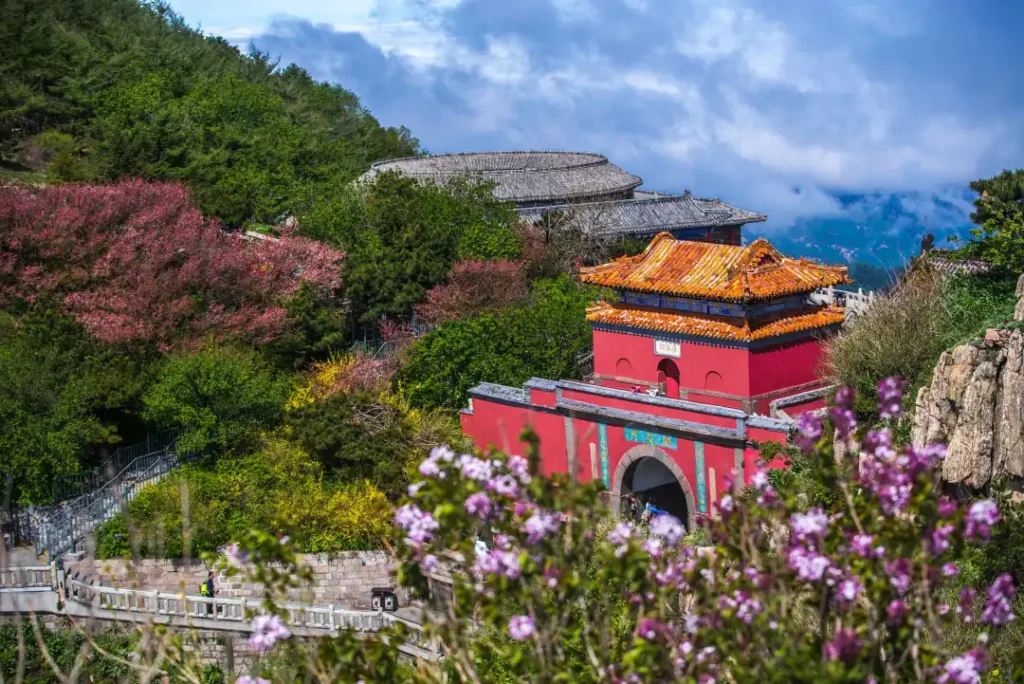
- Lhasang Monastery: A centuries-old Gelugpa monastery with red walls and golden roofs. Listen to the monks chanting at dawn. Remember to walk clockwise around prayer wheels and avoid taking photos inside the main hall without permission.
Hiking Routes for All Levels
- Fairy Beach & Fairy Lake Loop (Easy, 2–2.5h round trip): A gentle trail through alpine meadows. Fairy Beach is perfect for picnics; Fairy Lake, a crystal-clear mountain lake, sits at the foot of the peaks. You can also ride a horse (around ¥50 one way) if you prefer not to walk.
扎尕那仙女滩
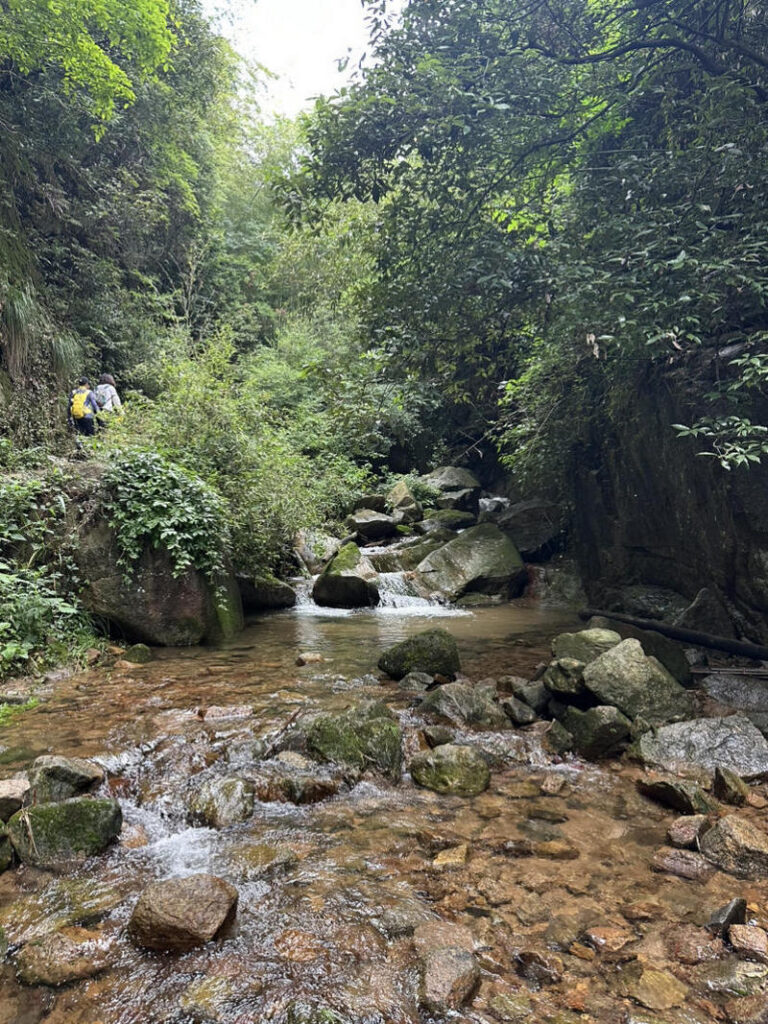
- Runwu Valley & One-Line Sky (Moderate, 3h round trip): Follow a stream through old-growth forests, pass towering cliffs and a narrow “one-line sky” gorge. Take the scenic shuttle bus (¥40) from the entrance to save time.
- Zhagana Stone Forest Trek (Challenging, 5–6h round trip): Tiger Mouth → One-Line Sky → Stone Forest. Jagged limestone formations create an otherworldly landscape. Hiring a local guide (¥200/day) is strongly recommended to avoid getting lost.
- Rock’s Road: The legendary 100-kilometer route connecting Zhagana to Zhuoni County. A dream for 4WD drivers and hardcore hikers, passing alpine pastures, glaciers and Tibetan villages. Only attempt with a professional driver/guide, especially in rainy or winter seasons.
Local Food & Cultural Experiences
No trip to Zhagana is complete without savoring Tibetan cuisine and diving into local traditions:
- Yak Meat Hot Pot: Rich, flavorful broth with tender yak meat and wild mushrooms. Perfect for cold mountain evenings.
- Tsampa & Butter Tea: A staple of Tibetan life. Learn to knead tsampa with your hands and pair it with salty butter tea during a homestay visit.
- Tibetan Yogurt: Thick, tangy and creamy. Often served with honey or brown sugar.
- Cultural Activities: Join a homestay cooking class, attend a bonfire party with local Tibetans, or visit a local workshop to learn about Tibetan thangka painting or tie-dye crafts.
Practical Travel Guide (All You Need to Plan)
Getting There
- By Air & Land: Fly to Xiahe Airport (the closest airport to Gannan). Then take a private car or shared shuttle (about 2 hours, ¥150/person) to Zhagana. Alternatively, take a high-speed train to Hadapu Station, then transfer to a taxi/van.
- By Long-Distance Bus: From Lanzhou South Bus Station, take a bus to Diebu County (about 8 hours, ¥80). Then take a taxi to Zhagana (20 minutes, ¥30).
- Self-Drive: Recommended for flexible travel. From Lanzhou, it’s about 7–8 hours via G213/G248. An SUV is better for the winding mountain roads, especially Rock’s Road.
Accommodation
- Yeri/Dari Villages: The best areas for view-facing homestays. Prices range from ¥200 (budget) to ¥800+ (luxury) per night. Book 1 month in advance during the peak season (August). Many homestays include breakfast with Tibetan yogurt and tsampa.
- Dongwa Village: More budget options and restaurants, convenient for daily needs.
Entry Fee & Tips
- Ticket: ¥80/person (valid for 24 hours). Students, seniors and military personnel get half-price with valid ID.
- Altitude Sickness: Zhagana is around 3,000 meters above sea level. Avoid strenuous exercise on the first day. Bring altitude sickness medicine, oxygen tanks (available in Diebu County pharmacies for ~¥20) and drink plenty of water.
- Clothing: Layer up! Daytime temperatures can reach 25°C in summer, but drop below 10°C at night. Bring a waterproof jacket, hiking boots, a sun hat and SPF 50+ sunscreen (high altitude UV rays are very strong).
- Etiquette: Always ask permission before taking photos of local people, especially elders and children. Never climb on mani stone piles or touch prayer flags randomly.
Recommended 3-Day Itinerary
- Day 1: Arrive in Zhagana → Check into a homestay in Yeri Village → Hike to Fairy Beach for sunset → Try yak hot pot for dinner.
- Day 2: Early morning sunrise at Dari Viewpoint → Visit Lhasang Monastery → Hike Runwu Valley & One-Line Sky → Sunset at Rock Viewpoint → Bonfire party with locals.
- Day 3: Optional Stone Forest trek (with a guide) or relax at the homestay → Learn to make tsampa and butter tea → Check out and depart, or head to Langmusi Town for the next part of your journey.
Zhagana is not just a destination; it’s an escape into a world where nature’s grandeur and human traditions coexist harmoniously. This hidden gem is waiting for you to leave the crowds behind and discover its quiet magic.