Mount Tai Tourism, Tai’an, China
Where is Mount Tai in China
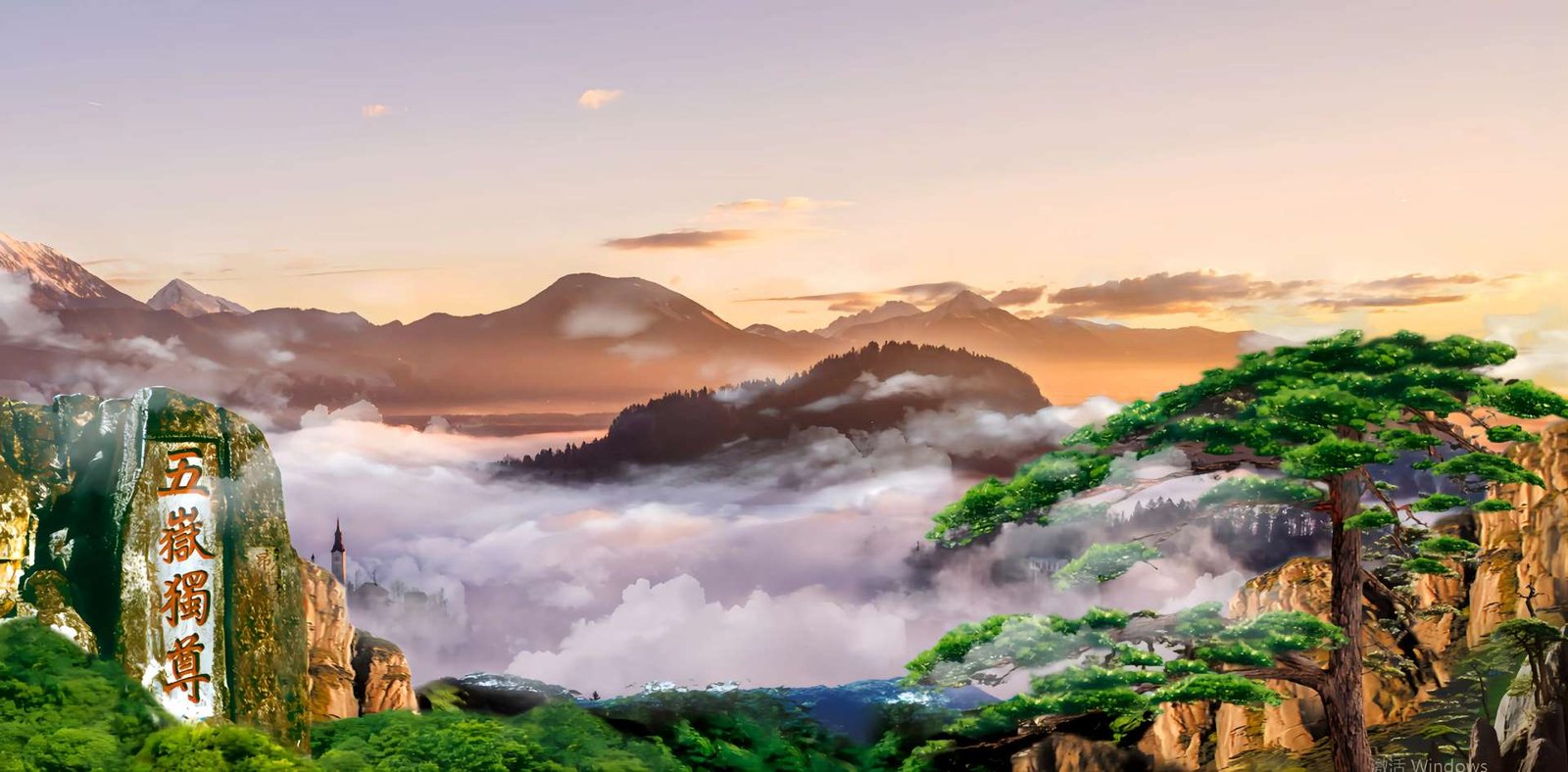
Location:Mount Tai (Taishan), one of China’s most iconic mountains, stands proudly in Tai’an City, Shandong Province, at the heart of the North China Plain. Spanning parts of Tai’an, Jinan, and Zibo, this majestic peak rises to 1,545 meters (5,069 feet) above sea level, earning its title as the “First Mountain Under Heaven” (Tianxia Diyi Shan)
The History of Mount Tai
Mount Tai (Taishan), known as the “First Mountain Under Heaven” (Tianxia Diyi Shan), is not just a geological marvel but a living monument to China’s cultural, spiritual, and political evolution. Its history spans over three millennia, intertwining with imperial rituals, religious devotion, and philosophical thought. Here’s a concise overview:
1. Ancient Origins (Prehistoric Era – Shang Dynasty)
- Sacred Beginnings: Archeological evidence suggests Mount Tai was a sacred site for Neolithic cultures, linked to fertility and ancestor worship.
- Shang Dynasty (1600–1046 BCE): Oracle bone inscriptions mention rituals held here to honor mountain deities, reflecting its early spiritual significance.
2. Imperial Worship & the Birth of a Legend (Zhou – Han Dynasties)
- Zhou Dynasty (1046–256 BCE):
- Mount Tai became central to the ”Fengshan Sacrifices” (封禅), grand ceremonies where emperors prayed for cosmic harmony and dynastic stability.
- The ”Nine States’ Mountain” concept linked Tai Shan to the unity of China under a single ruler.
- Qin Shi Huang (221–210 BCE):
- The first emperor unified China and performed the Fengshan Rituals here in 219 BCE, marking the mountain as a symbol of imperial legitimacy.
- He erected the “Wordless Stele” (无字碑) and inscribed his achievements on stone tablets.
- Han Dynasty (206 BCE–220 CE):
- Emperors Wu of Han and Xuan of Han expanded the ritual tradition, commissioning temples like Dongyue Temple and inscribing philosophical texts on cliffs.
3. Golden Age of Culture & Religion (Tang – Song Dynasties)
- Tang Dynasty (618–907 CE):
- Emperor Xuanzong built the Dai Temple (岱庙), a Ming-style complex mirroring the Forbidden City, to host grand sacrifices.
- Poets like Li Bai and Du Fu immortalized the mountain in verses, praising its grandeur as a bridge between heaven and earth.
- Song Dynasty (960–1279 CE):
- The Thousand Buddha Hall was constructed, blending Buddhism with Taoist and Confucian traditions.
- The famous ”Spring Dawn at the Summit” (旭日东升) sunrise ritual began, attracting pilgrims to witness the “birth of the sun” over the clouds.
Mount Tai's Cultural Significance
Mount Tai (Taishan) is not just a physical mountain but a profound cultural symbol that has shaped China’s spiritual, philosophical, and artistic identity for over 3,000 years. Its slopes and peaks are a canvas of rituals, art, and traditions that reflect the core values of Chinese culture. Here’s a deep dive into its cultural essence:
1. The Philosophy of Unity: Confucianism, Daoism, and Buddhism
Confucian Influence:
- Confucius, born in nearby Qufu, proclaimed, “Climb Mount Tai and the world becomes small” (孔子登东山而小鲁,登泰山而小天下), emphasizing humility and cosmic perspective.
- The mountain became a metaphor for moral elevation and societal harmony in Confucian teachings.
Daoist Sanctuary:
- Taoists revere Mount Tai as a place to attain immortality. The Eighteen Bends Staircase symbolizes the arduous path to spiritual enlightenment.
- Legends speak of immortals brewing elixirs on the summit, and the Bixia Temple (碧霞祠) honors the Goddess of Mercy, a key figure in folk Daoism.
Buddhist Retreat:
- Buddhist monks built temples like Baoding Temple (宝通寺) to meditate amid the mountain’s tranquility. The Thousand Buddha Hall blends Buddhist art with Taoist and Confucian motifs.
2. Imperial Worship: The Fengshan Rituals
The “Mandate of Heaven”:
- Emperors from Qin Shi Huang to Emperor Qianlong performed Fengshan Sacrifices (封禅) on Mount Tai to legitimize their rule and seek divine blessings.
- These grand ceremonies involved animal sacrifices, inscribed stone tablets, and prayers to heaven and earth.
Stone Tablets as History:
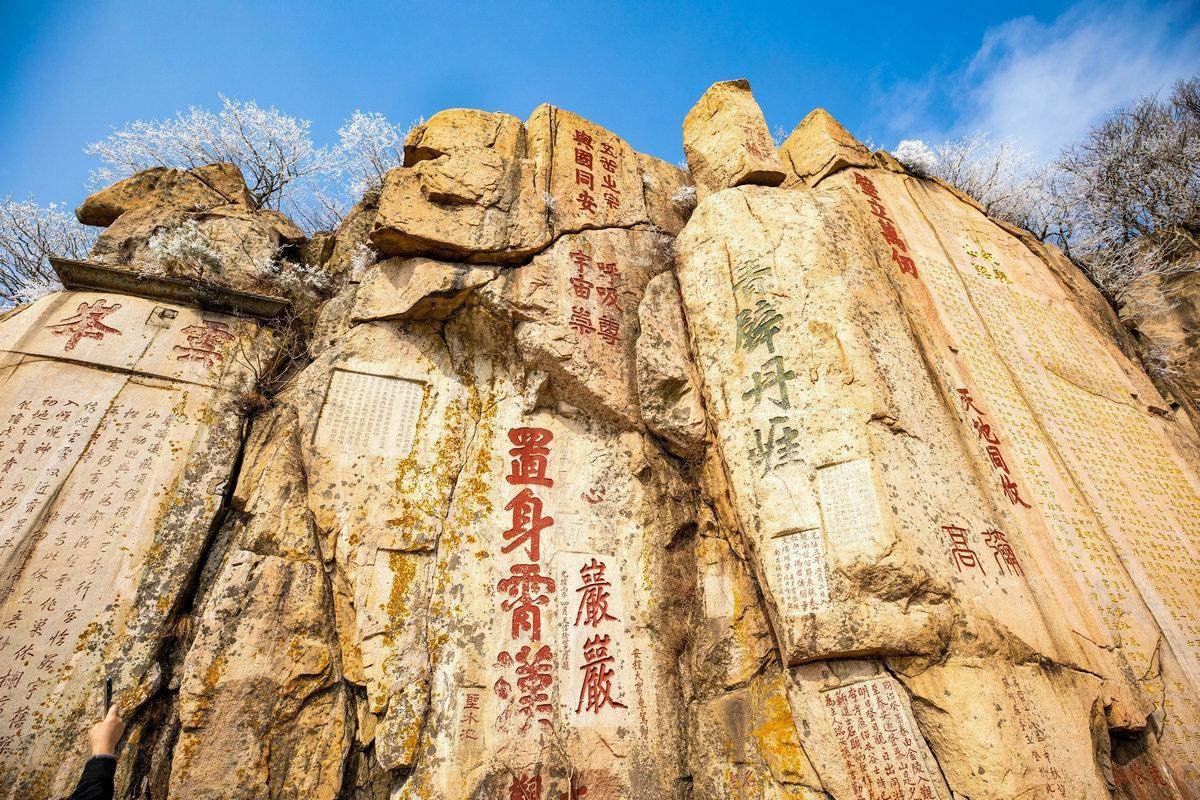
- Over 2,000 inscriptions on cliffs and temples record imperial achievements, from Qin Shi Huang’s unification to Emperor Wu of Han’s military victories.
- The “Stele of the Five Sacred Mountains” in Dai Temple ranks Tai Shan as China’s supreme peak.
3. Artistic Legacy: Poetry, Calligraphy, and Carvings
Poetry Immortalized:
- Li Bai, Du Fu, and other poets penned verses about Tai Shan’s majesty. Li Bai wrote, “I must ascend Mount Tai to gaze upon all under heaven” (会当凌绝顶,一览众山小).
- The Inscription of Emperor Xuanzong (纪泰山铭), a 500-meter-long Tang Dynasty cliff carving, celebrates imperial power and cosmic order.
Calligraphic Masterpieces:
- Stone tablets feature works by famous calligraphers like Wang Xizhi, blending Han script with artistic expression.
- The “Wu Family Shrine” steles in nearby Jining are considered masterpieces of Eastern Han calligraphy.
4. Folklore and Festivals
Mythical Tales:
- Legends speak of the Eight Immortals crossing the mountain, battles between the Yellow Emperor and Chiyou, and the mythical origins of the Yellow River.
- The Jade Emperor Peak (玉皇顶) is said to be where the Jade Emperor, ruler of heaven, resides.
Living Traditions:
- Spring Dawn Ceremony: Pilgrims gather at sunrise on Jade Emperor Peak to burn incense and pray for prosperity.
- Paper-Cutting and Lanterns: Nearby villages like Yangjiabu (杨家埠) preserve ancient crafts tied to mountain worship.
5. Architectural Marvels
Dai Temple (岱庙):
- A Ming Dynasty complex mirroring the Forbidden City, housing imperial sacrificial altars and a 13-meter cypress planted by Emperor Wu of Han.
- The Temple of Confucius nearby celebrates the philosopher’s ties to Qufu.
Heavenly Gate Bridge (天阶桥):
- A daring stone bridge near the summit symbolizes the transition from earthly to celestial realms.
6. Modern Cultural Preservation
- UNESCO Recognition:
- Designated a World Heritage Site in 1987, efforts focus on restoring inscriptions, temples, and hiking trails.
- Cultural Revival:
- Traditional rituals like the Spring Sacrifice Ceremony are reenacted, blending history with tourism.
- The Mount Tai International Poetry Festival celebrates its literary legacy.
Why It Matters Today
Mount Tai embodies China’s cultural DNA:
- Respect for Nature: Its veneration reflects Daoist harmony with the environment.
- Historical Continuity: A living link between ancient emperors and modern pilgrims.
- Universal Values: Its themes of perseverance (climbing the Eighteen Bends) and humility (Confucian ideals) resonate globally.
Final Words:
To experience Mount Tai’s culture is to walk through China’s soul. Whether tracing imperial footprints, deciphering 2,000-year-old inscriptions, or joining a sunrise ritual, the mountain whispers stories of a civilization that sees spirituality in stone, history in mist, and humanity in every step. 🏯⛰️
“A mountain that carries the weight of dynasties, yet offers peace to the soul.”
Mount Taishan Famous Scenic Spot
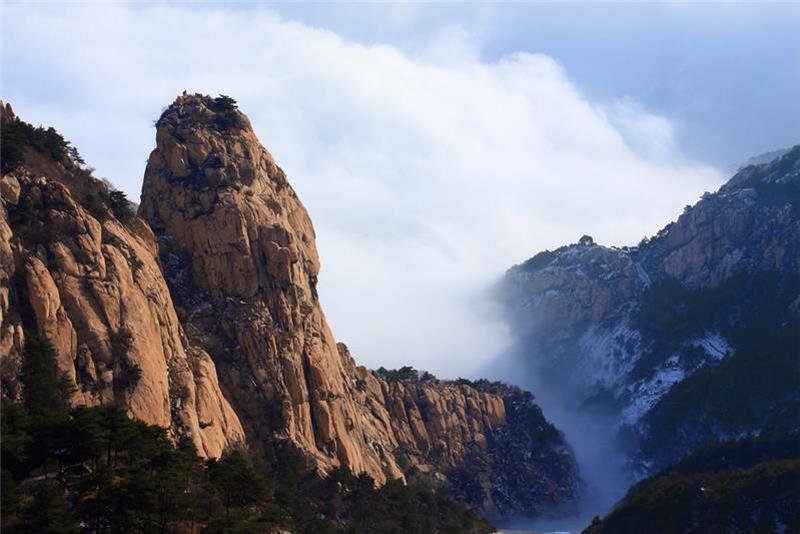
Mount Tai’s Tianzhu Peak: China’s Hidden Natural Wonder | Ultimate Travel Guide
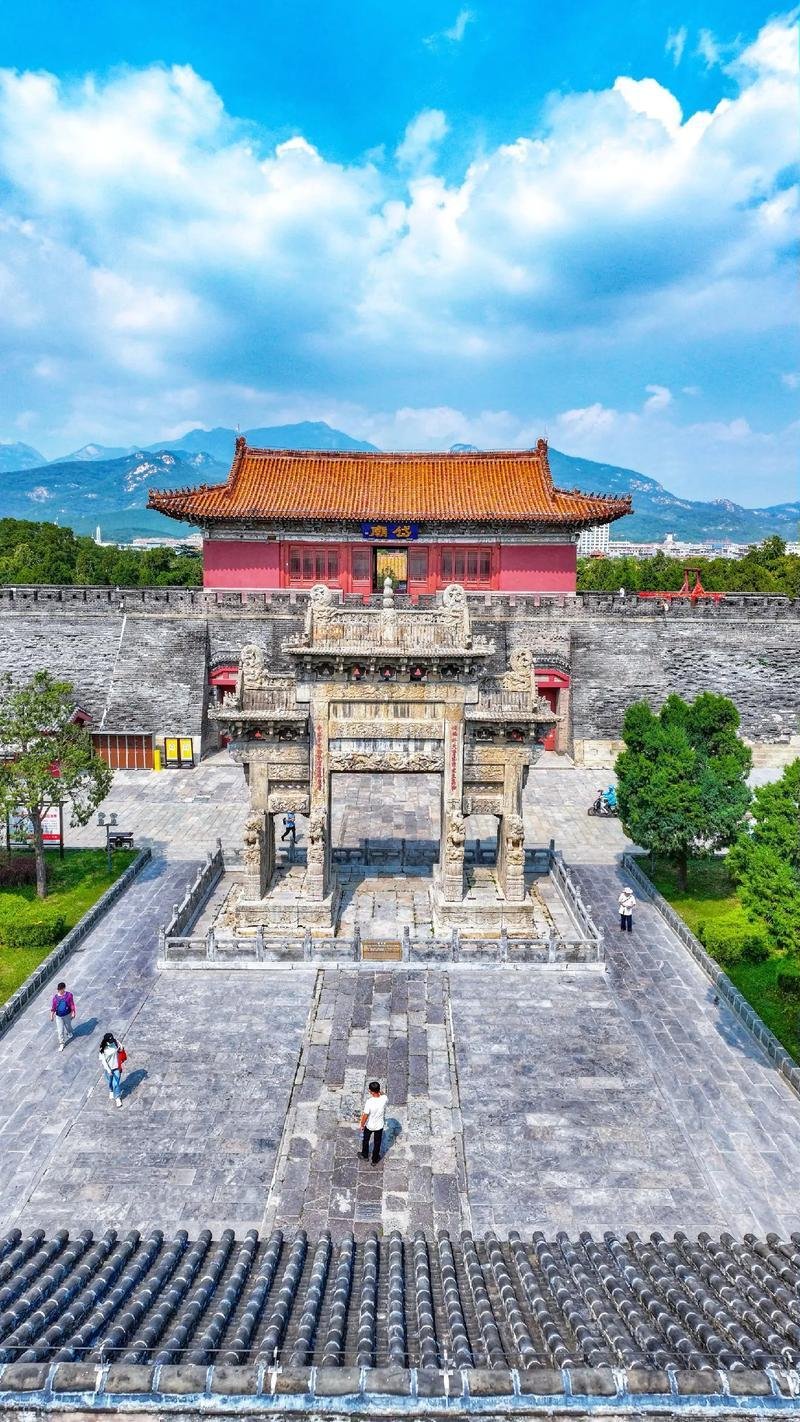
Dai Temple: The Sacred Gateway to Mount Tai’s Imperial Legacy
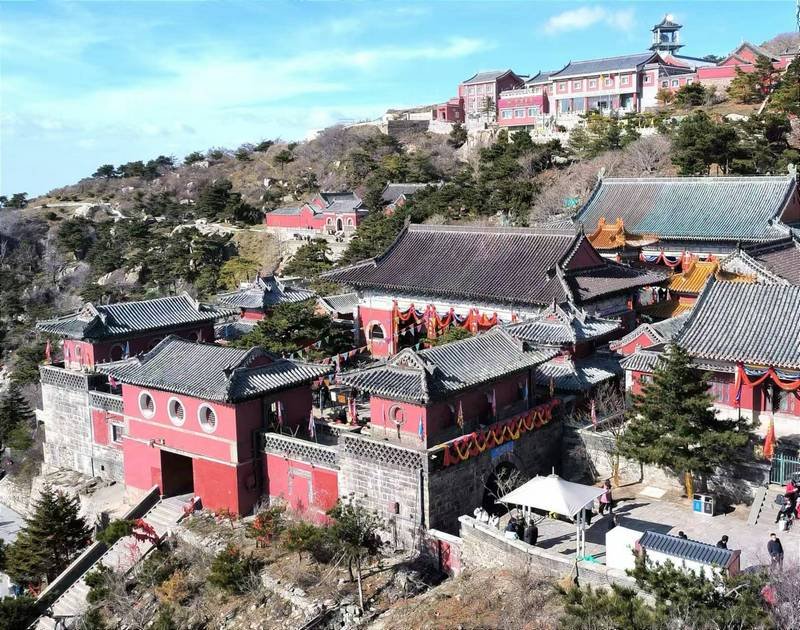
Mount Tai Bixia Temple: A Sacred Journey Through China’s Taoist Heritage | Cultural & Spiritual Retreat in Shandong
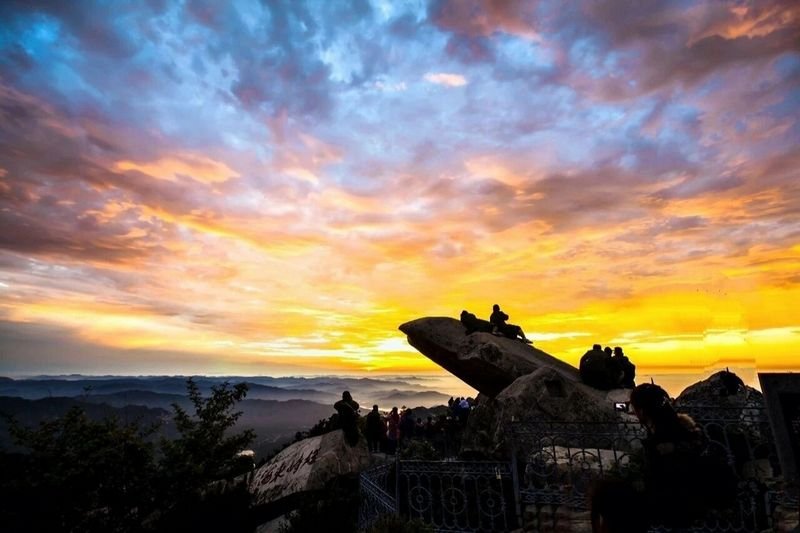
Sunrise at Mount Tai’s Riguan Peak: A Breathtaking Natural Spectacle
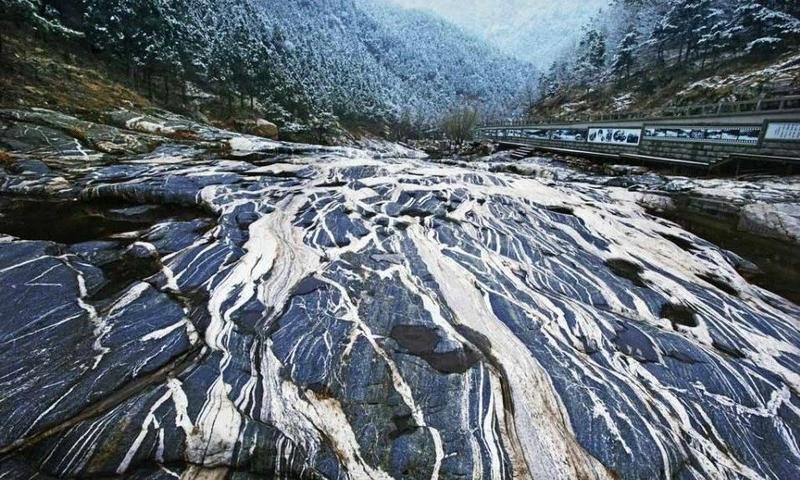
Explore the Enchanting Colorful Stone Stream (Cai Shi Xi) at Mount Tai: A Natural Wonder
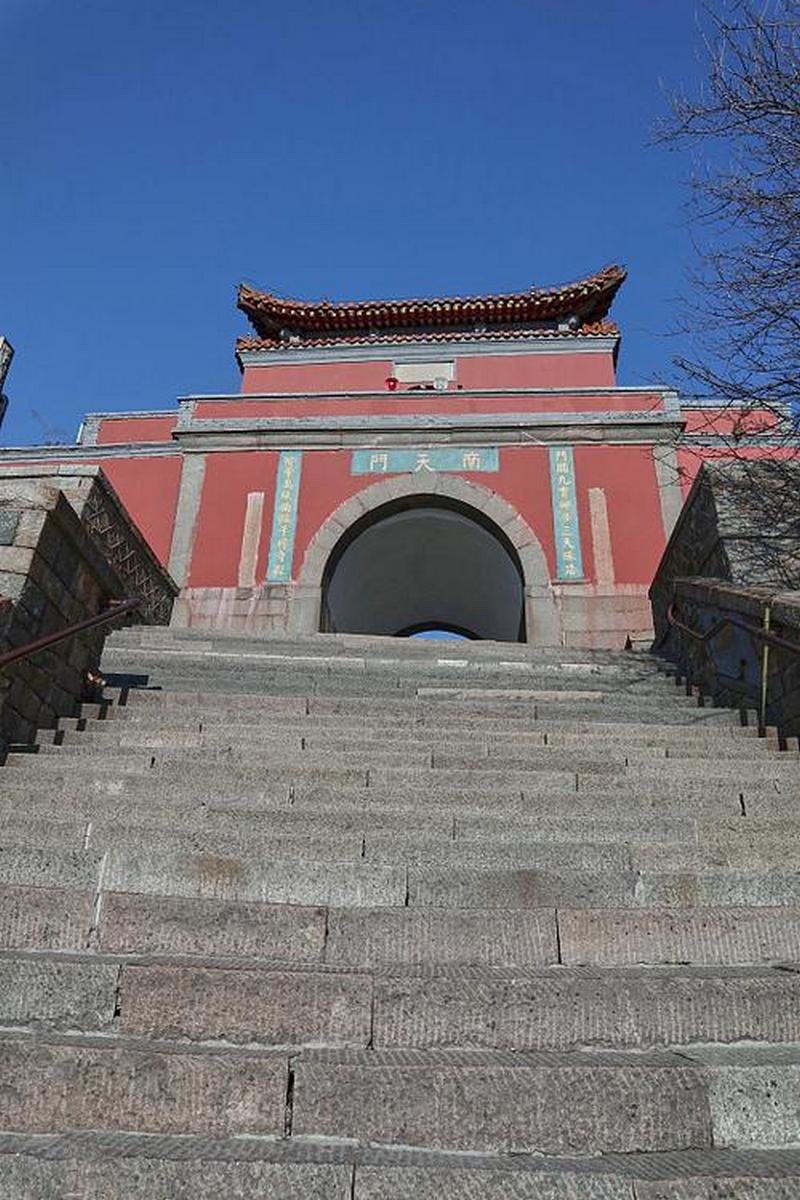
Nantianmen (South Heaven Gate) of Mount Tai – Ultimate Travel Guide
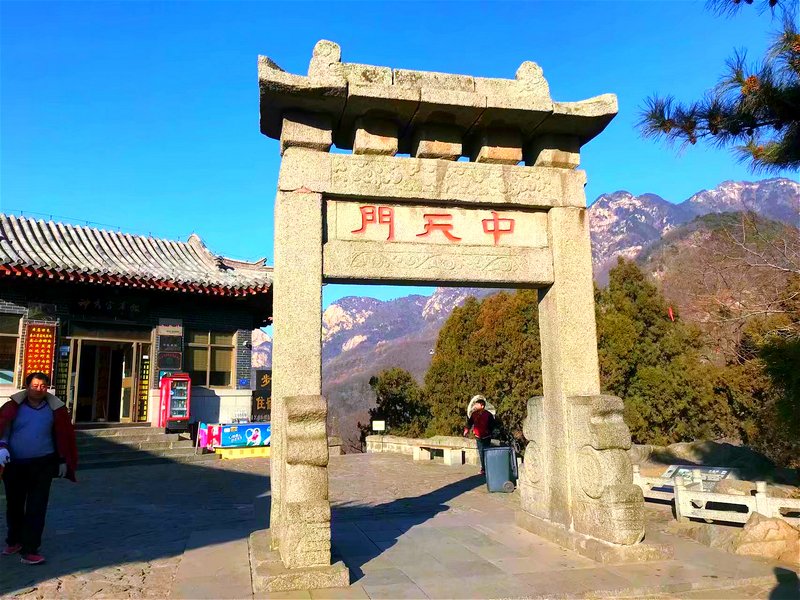
Zhongtianmen (Middle Heaven Gate) – Gateway to Mount Tai’s Sacred Summit
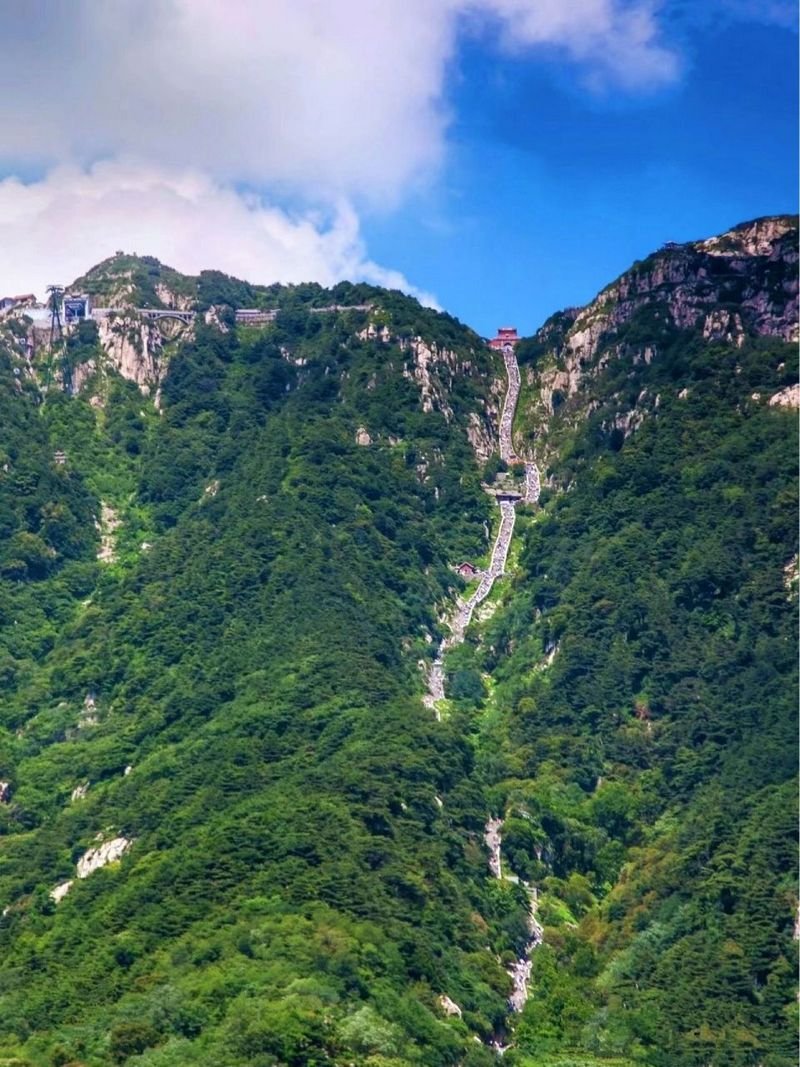
Mount Tai 18 Bends (Taishan Shibapan): A Thrilling Ascent to Heaven
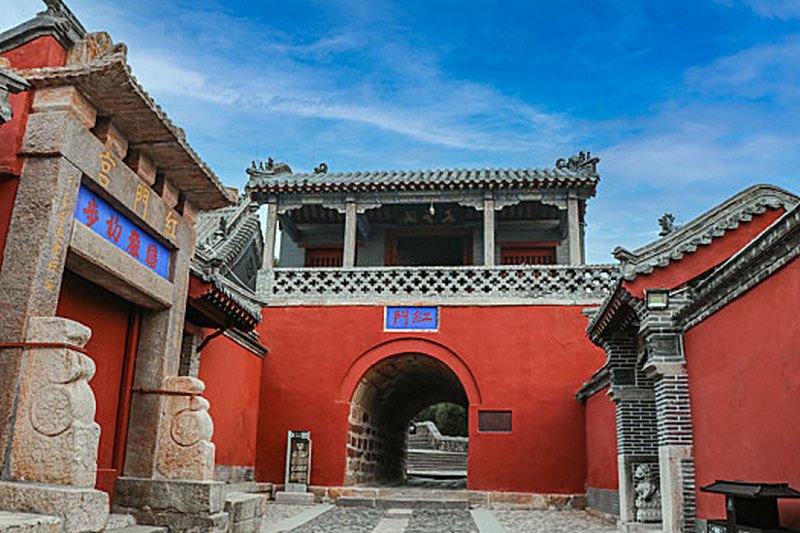
Discover the Red Gate (Hongmen) at Mount Tai
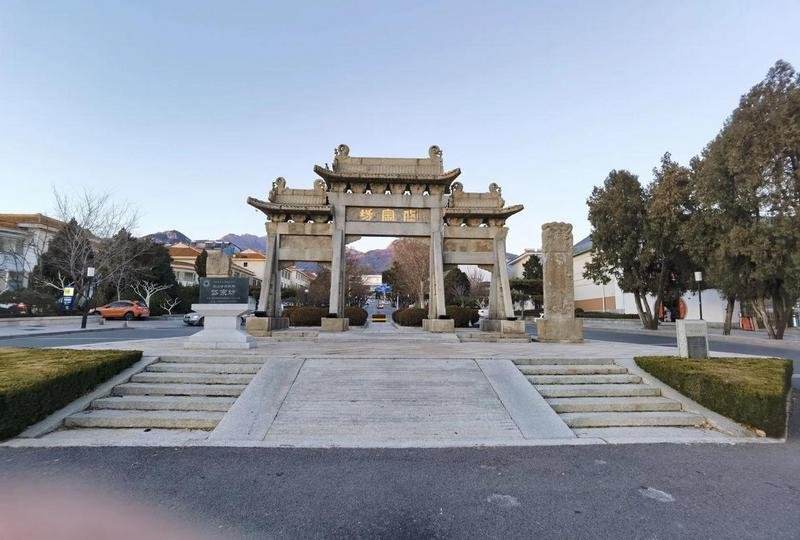
Dai Zong Fang Archway at Mount Tai: Historical Gateway to China’s Sacred Mountain
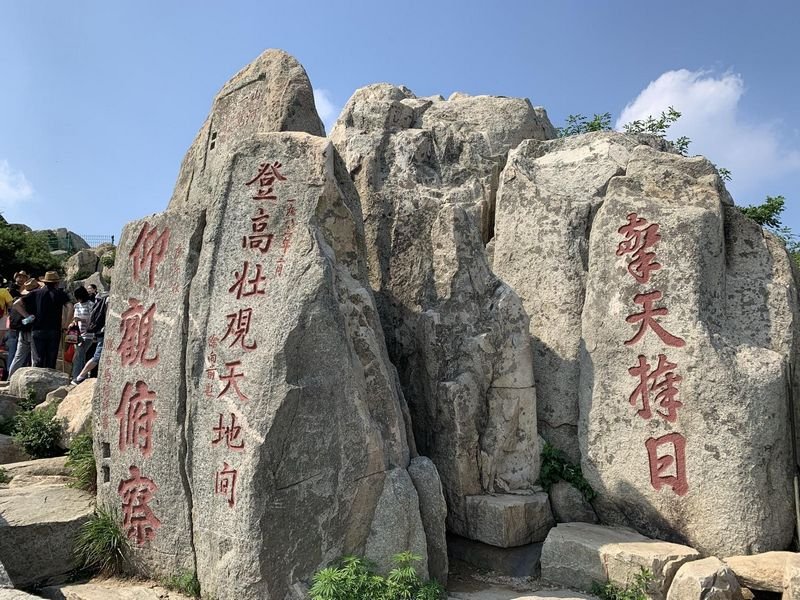
Jade Emperor’s Summit (Yuhuangding) – The Pinnacle of Mount Tai
Beautiful seasonal scenic spots of Mount Taishan

Mount Tai Sunset: Witness Heaven’s Canvas Ignite at Dusk
June 19, 2025

Mount Tai Sunrise: China’s Most Breathtaking Dawn | Hike, History & Views
June 17, 2025
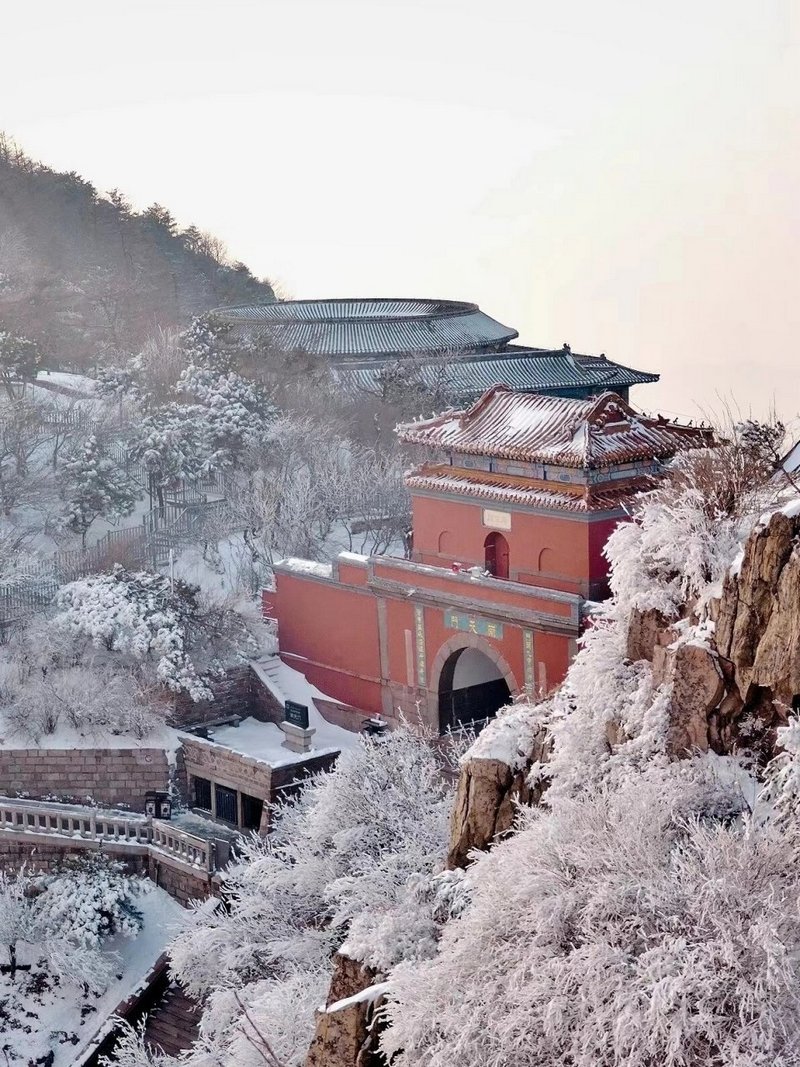
Mount Tai Winter: A Snow-Kissed Realm of Myth & Majesty
June 8, 2025
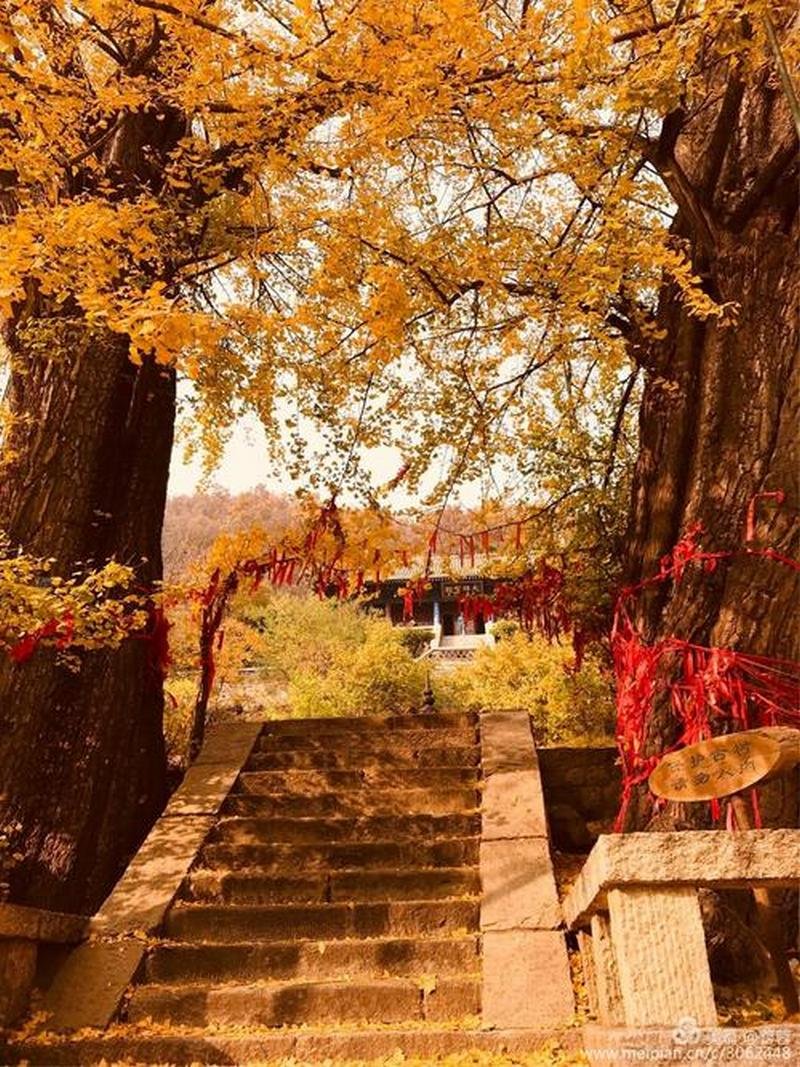
Mount Tai in Autumn: Where Sacred Majesty Meets Nature’s Fireworks
June 5, 2025
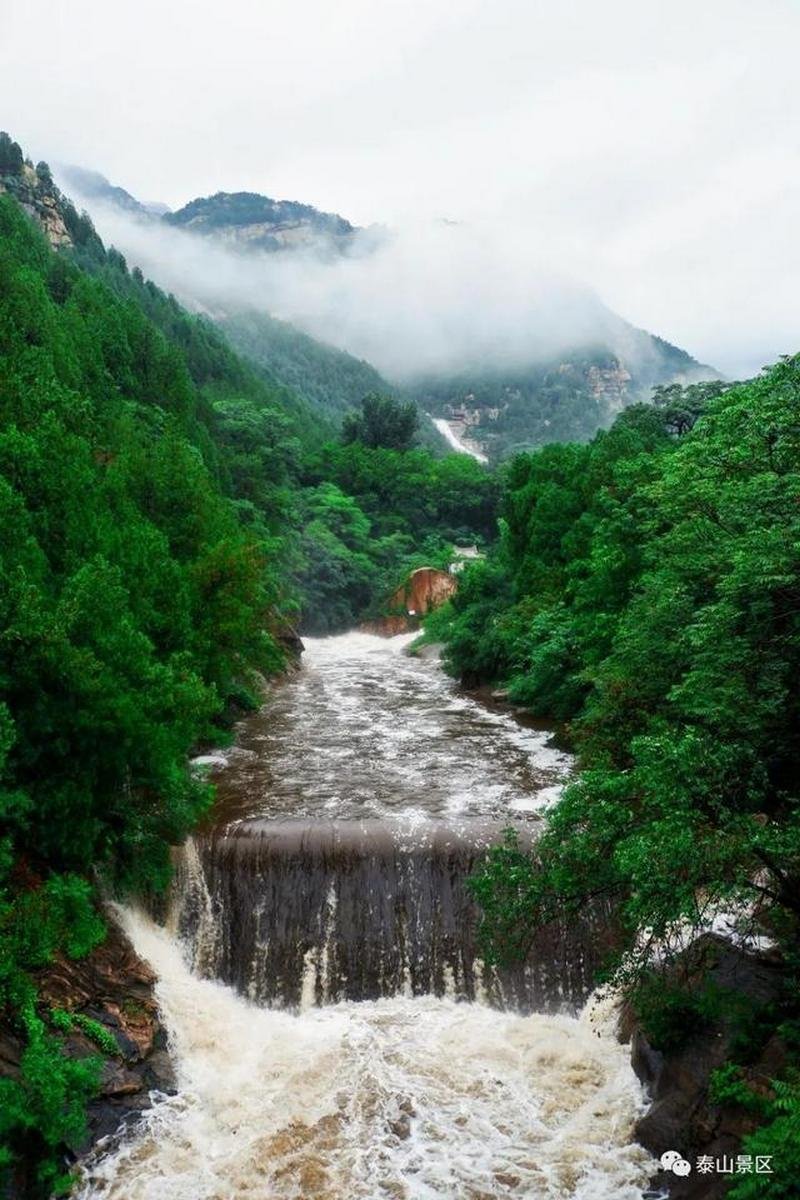
Summer in Mount Tai: Cool Hikes, Stunning Views & Cultural Wonders | Ultimate Guide
June 4, 2025
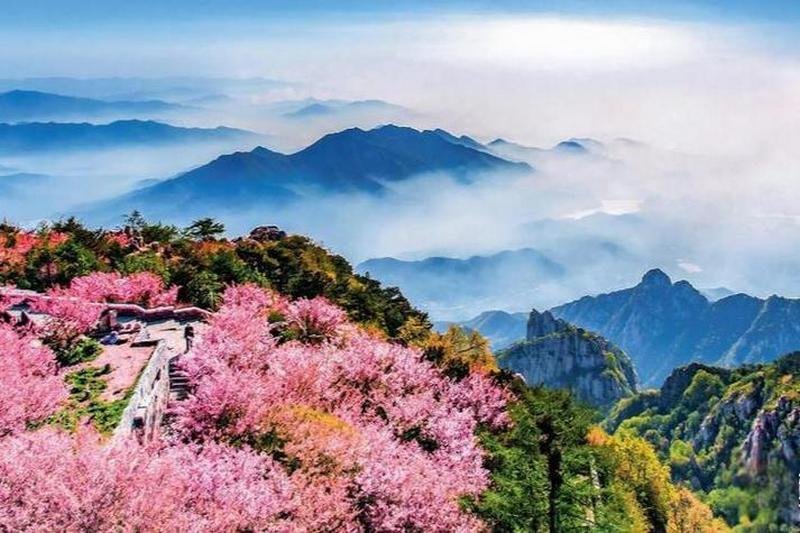
Mount Tai in Spring: Blossoms, Hiking Trails & Cultural Wonders
May 27, 2025
Mount Taishan delicacies and snacks
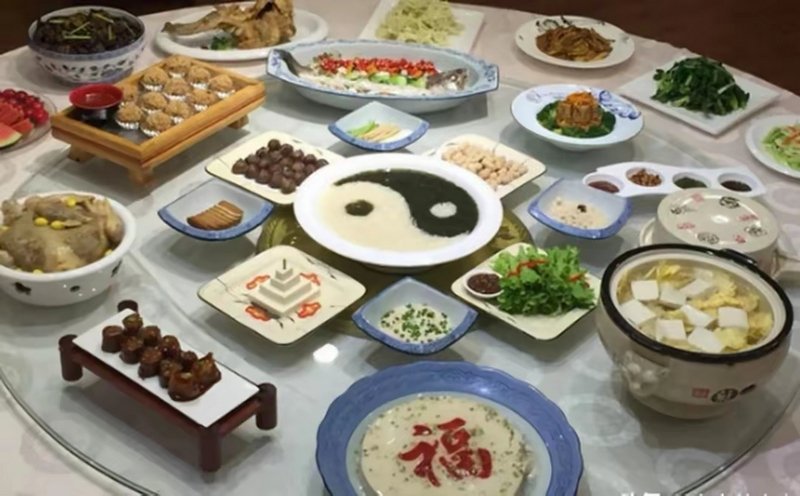
Tai’an Tofu Banquet: Mount Tai’s 1000-Year-Old Culinary Tradition | History, Recipes & Best Restaurants
September 10, 2025
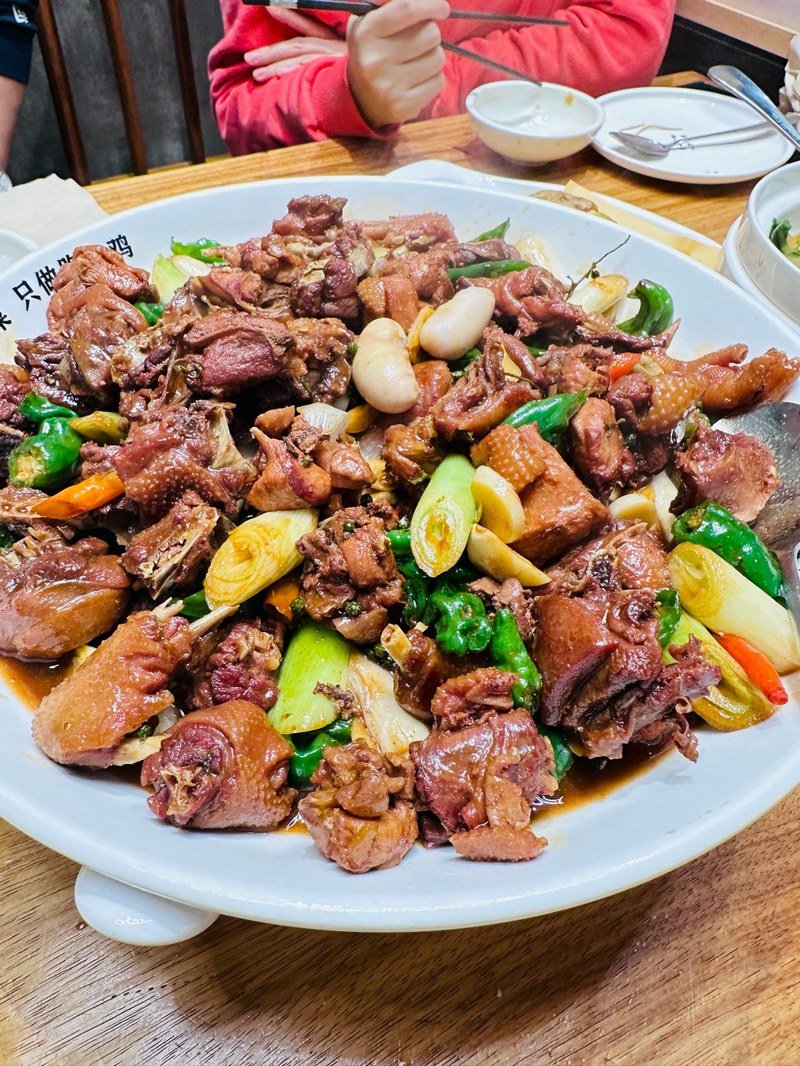
“Taishan Stir-Fried Chicken: History, Recipe & Best Eats in Tai’an | Shandong’s Iconic Mountain Dish”
September 3, 2025
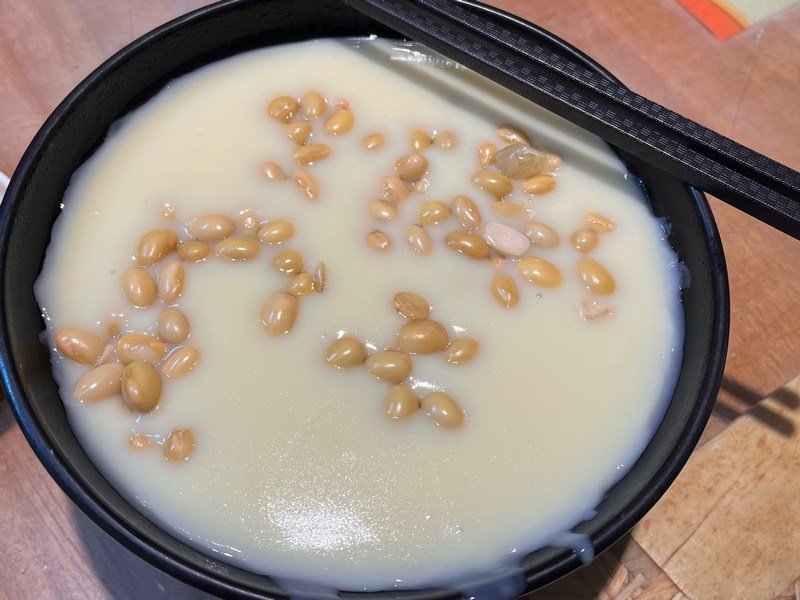
Dongping Porridge: Taishan’s Silky, Nutrient-Rich Traditional Porridge from Shandong
August 10, 2025
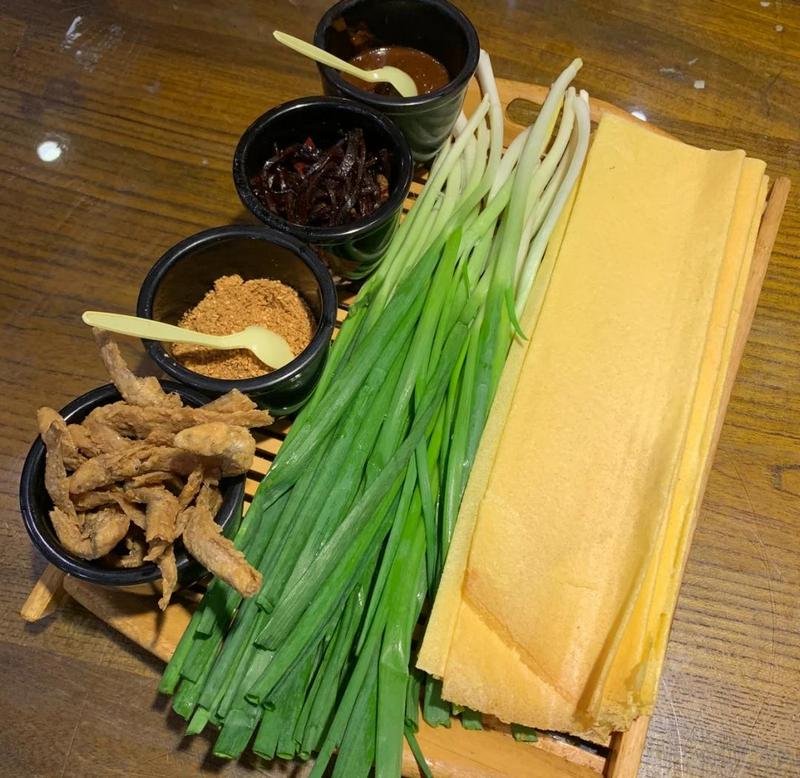
Mount Tai Pan Cake Wrapped with Scallions: Shandong’s Iconic Street Food with a 300-Year Legacy
August 8, 2025
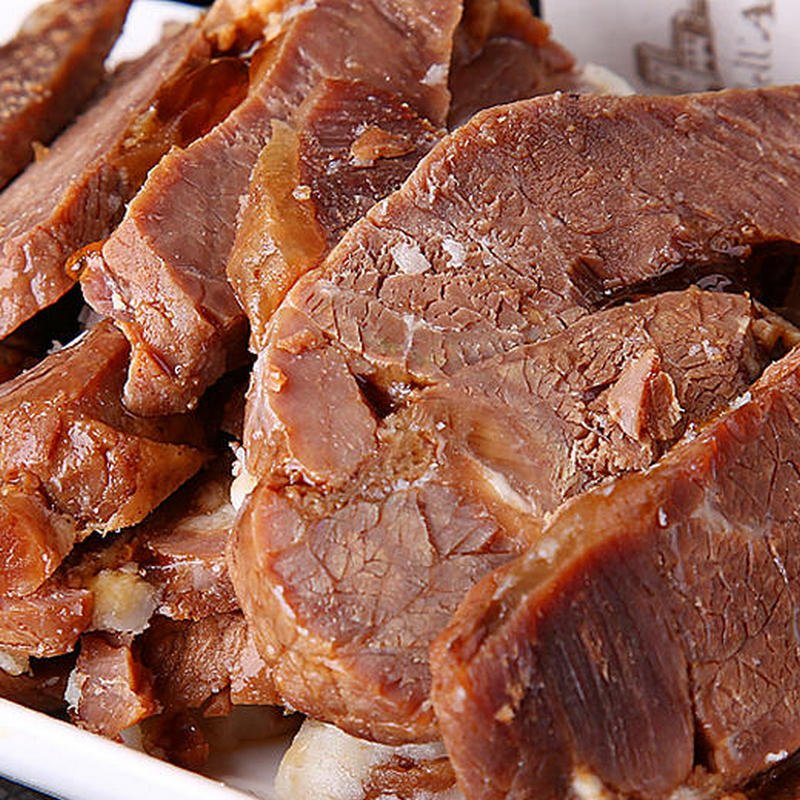
Yanmazhuang Beef: Tai’an’s Time-Honored Mountain Delicacy with Centuries of Flavor
July 26, 2025
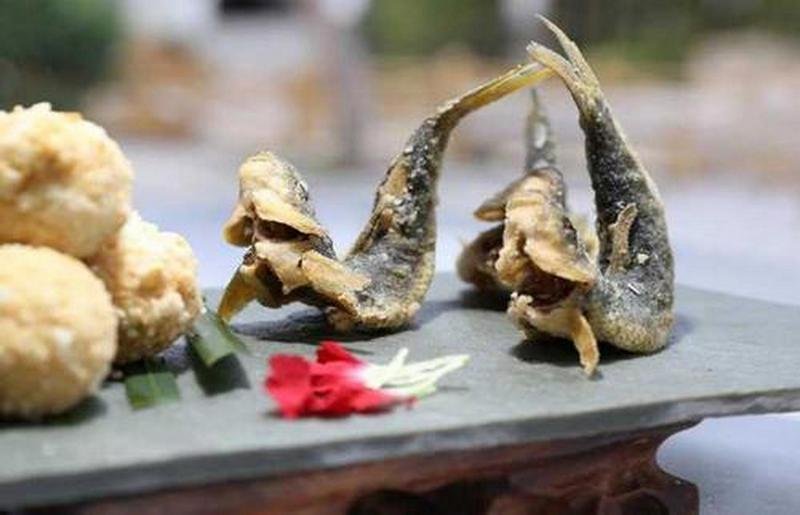
Tai’an Dry-Fried Red-Scaled Fish (Tai’an Honglin Yu)
July 23, 2025
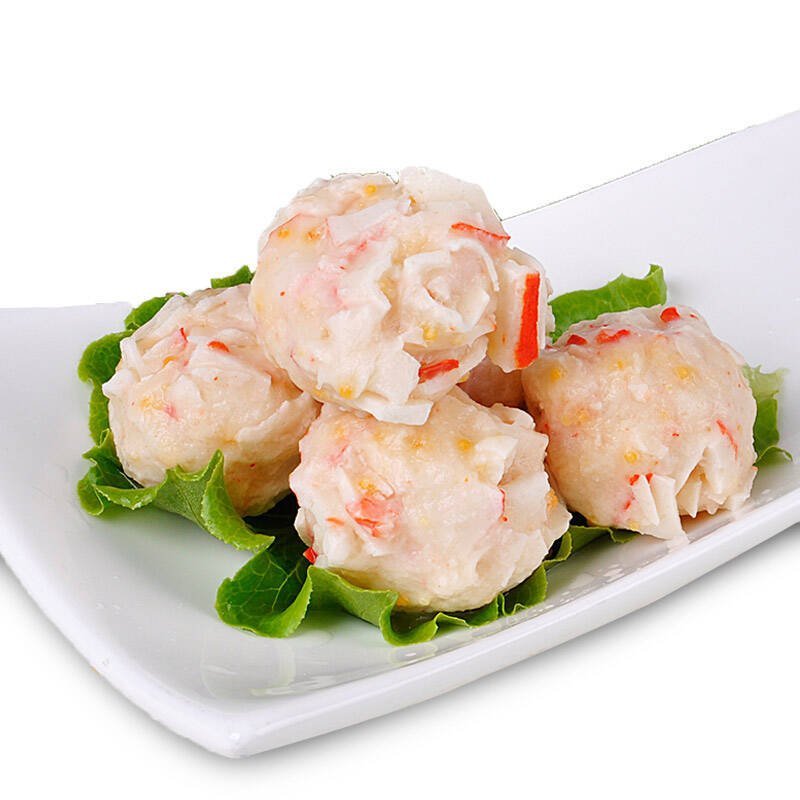
Tai’an Specialty Snack | Fortune Lobster Meatballs: The “Freshness” and “Fortune” at the Foot of Mount Tai
June 30, 2025
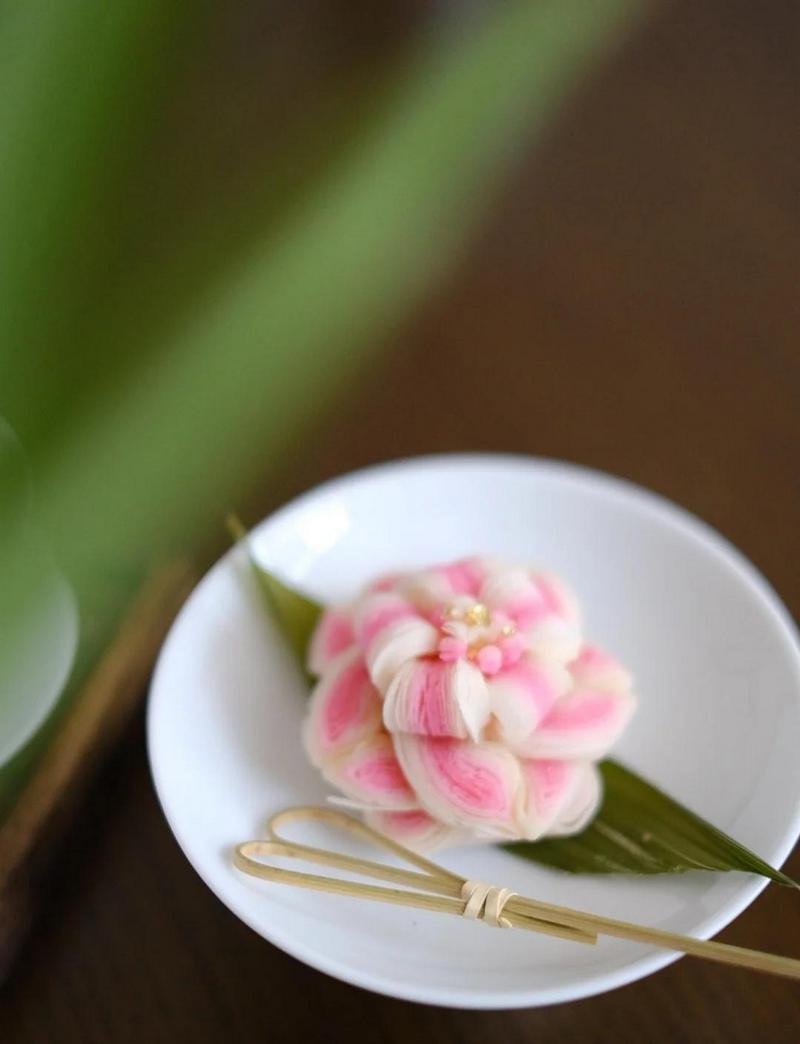
Taishan Haitang Pastry: A Bite of Mountain Magic
June 27, 2025
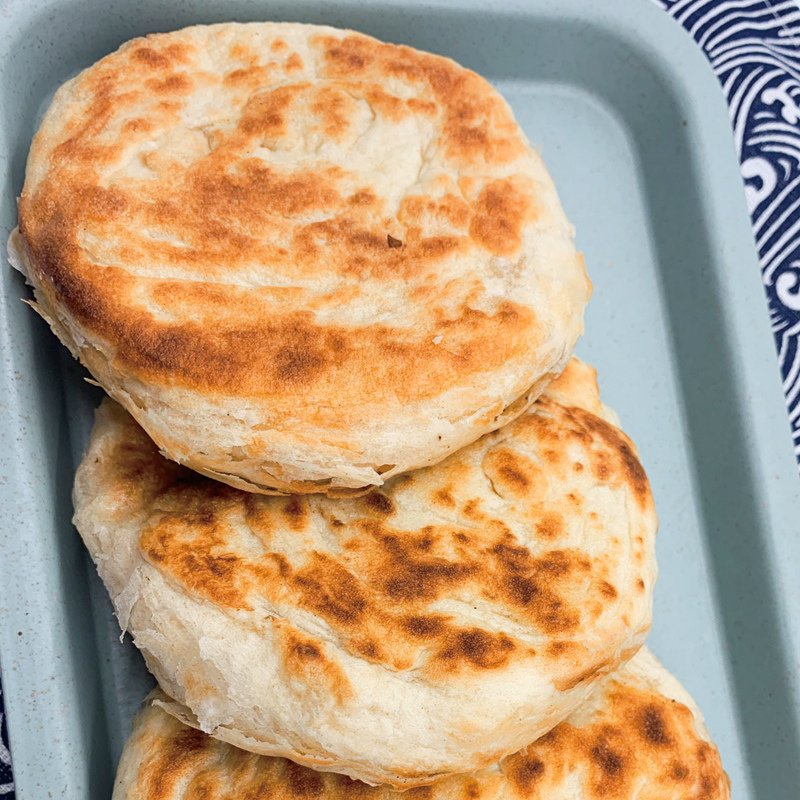
Taishan Shaobing: The 500-Year-Old “Fire Cake” That Fuels Mountain Pilgrims
June 22, 2025
Travel Guide of Mount tai
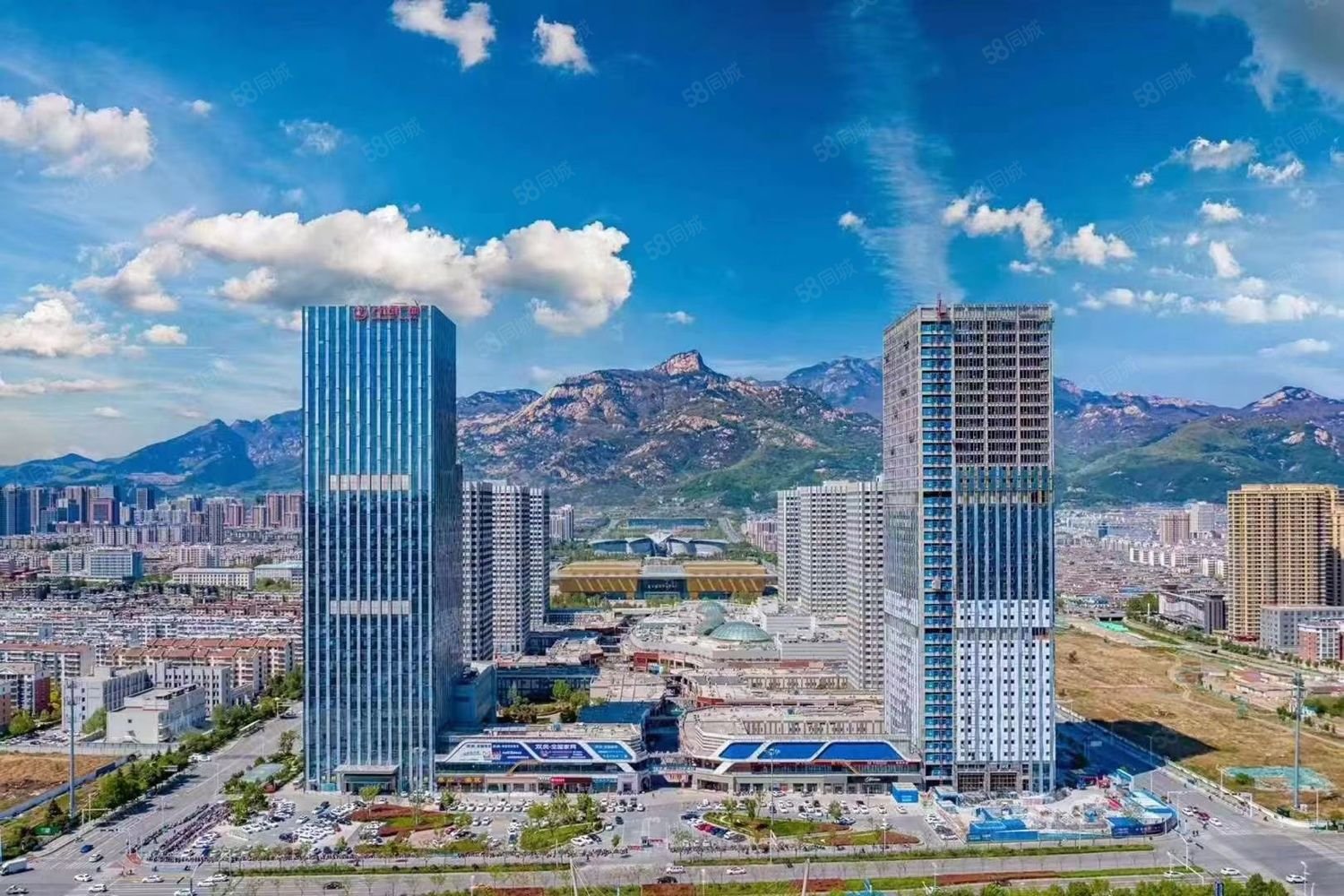
Top Shopping Spots Near Mount Tai: Tai’an Shopping Guide for Foreign Travelers 2025
October 26, 2025
No Comments
Top 5 Shopping Spots Near Mount Tai: Ultimate Guide for Foreign Visitors Mount Tai, a UNESCO World Heritage Site, isn’t just about breathtaking landscapes and
Read More »Top Restaurants near Mount Tai | Authentic Tai’an Cuisine & Dining Guide
October 15, 2025
No Comments
Dining Around Mount Tai: A Food Lover’s Guide After conquering Mount Tai’s legendary steps, nothing satisfies more than authentic local cuisine. Tai’an offers incredible dining
Read More »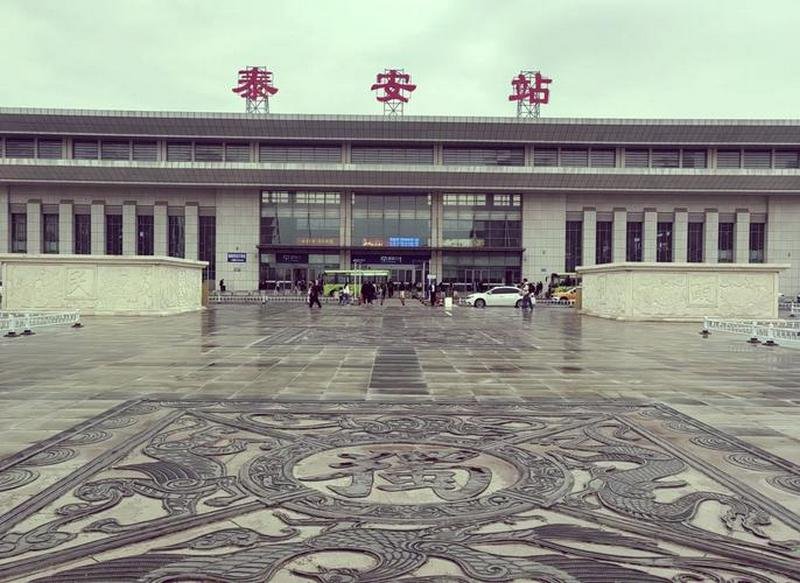
Guide to Tai’an & Mount Tai Transport: Buses, Stations, Airport, Apps & Navigation
September 27, 2025
No Comments
Guide to Transportation in Tai’an & Mount Tai: Locations, Names, Access & Apps Tai’an, a historic city at the foot of Mount Tai (one of
Read More »
Guide to Taking Taxis in Mount Tai: Tips, Costs & Safe Rides
September 24, 2025
No Comments
Here’s a detailed, foreigner-friendly guide to taking taxis in Mount Tai, covering preparation, key locations, ride options, communication tips, costs, and precautions: 1. Pre-Taxi Prep:
Read More »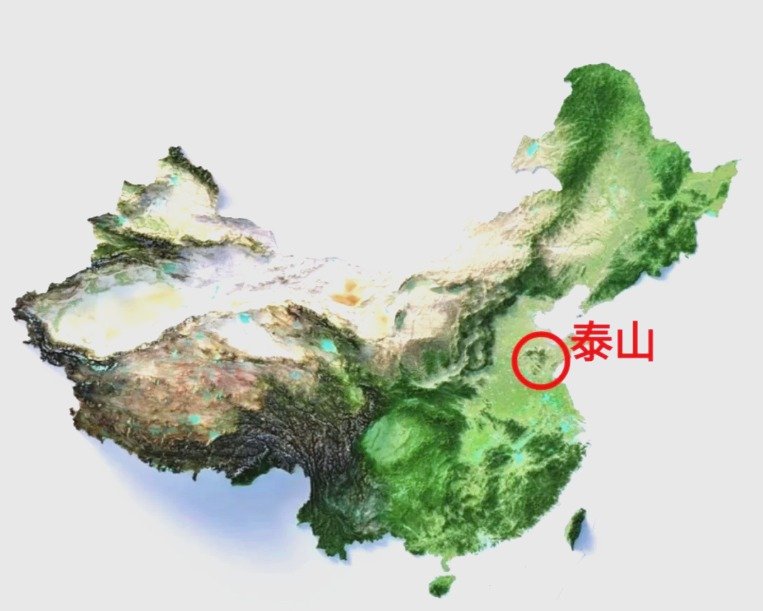
Comprehensive Travel Guide toMount Tai Tai’an, China for Western Travelers: Visa, Transportation & Itinerary Tips
September 17, 2025
No Comments
Comprehensive Travel Guide to Tai’an, China: From Visa to Arrival (For Western Travelers) This guide provides a step-by-step breakdown of traveling to Tai’an, China, from
Read More »