
Mount Huangshan Travel Guide: Hiking China’s “Most Lovely Mountain”
By: Alex Thompson | Updated: March 2026
Introduction
“After returning from the Five Sacred Mountains, you won’t care to look at other mountains; after returning from Mount Huangshan, you won’t care to look at the Five Sacred Mountains.”
I first heard this Chinese proverb years ago while backpacking through Yunnan. A local trekking guide told me about a mountain in Anhui province so beautiful that it made China’s five holiest peaks seem ordinary. I thought it was just poetic exaggeration—the kind of flowery language Chinese tourism boards love to use.
Then I visited Mount Huangshan last autumn. And I understood.
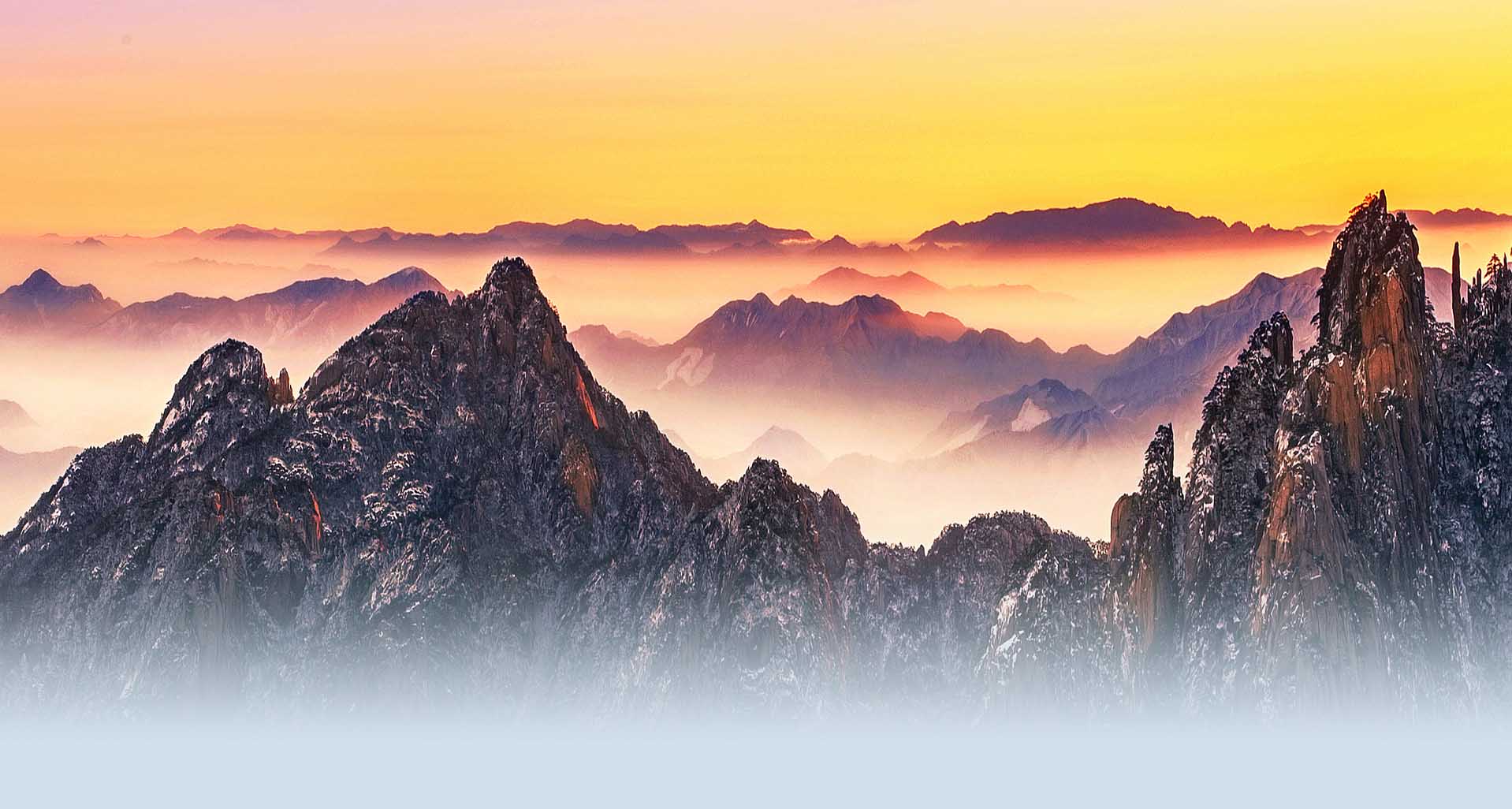
There’s a reason this UNESCO World Heritage site has inspired Chinese painters and poets for over a thousand years. Its granite peaks seem to float above seas of clouds. Ancient pine trees grow at impossible angles from sheer cliffs. And at sunrise, the entire landscape turns gold, pink, and purple in a light show that feels almost spiritual .
This guide covers everything you need to know to plan your own Huangshan adventure—from the best hiking routes to practical tips on when to go and how to avoid the crowds.
Overview: What Makes Mount Huangshan Special?
Mount Huangshan (黄山, Huángshān), which translates to “Yellow Mountain,” isn’t just one peak—it’s a massive national park spanning 160 square kilometers in southern Anhui Province . The area contains 72 named peaks, with the tallest—Lotus Peak (1,864m), Bright Summit (1,860m), and Celestial Capital Peak (1,810m)—towering above the rest .
What makes Huangshan extraordinary is its combination of natural elements. The Chinese call them the “Four Wonders”:
1. Strange Pines (奇松)
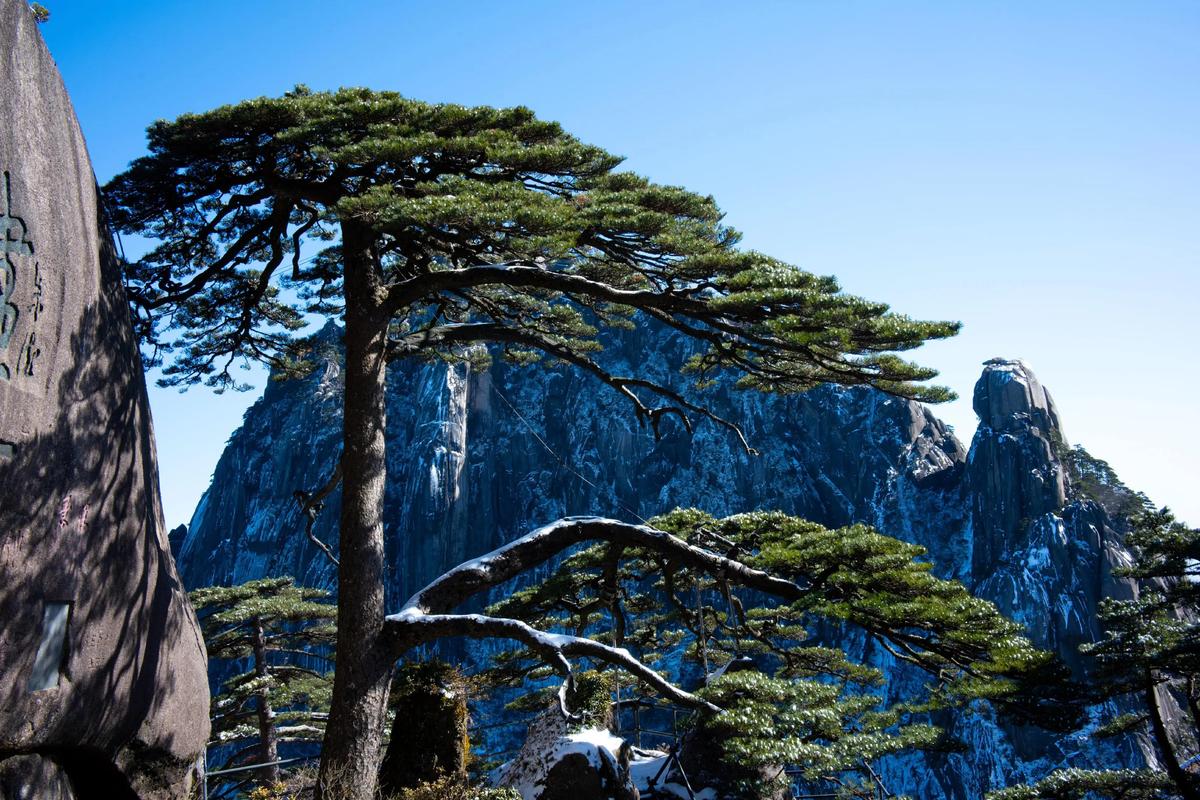
The pine trees here grow from solid granite, their twisted forms shaped by decades of wind and weather. The most famous is the Welcoming Guest Pine (Yingkesong), which extends one branch like an arm greeting visitors—it’s been doing so for an estimated 800 years .
2. Absurd Stones (怪石)
Granite formations that look like animals or people. Flying Over Stone (Feilaishi) is a massive boulder perched precariously on a peak, defying gravity. Monkey Gazing at the Sea (Houzi Guanhai) looks exactly like its name suggests, with a rock formation resembling a primate peering over the clouds .
3. Sea of Clouds (云海)
On about 50 days each year, clouds fill the valleys below the peaks, creating the illusion that you’re standing on islands in a white ocean . The effect is most dramatic at sunrise and sunset.
4. Hot Springs (温泉)
At the mountain’s base, natural hot springs maintain a constant temperature of around 42°C (108°F)—perfect for soaking tired muscles after a long hike .
In winter, Huangshan adds a “Fifth Wonder”: rime ice (wùsōng), where freezing fog coats every pine branch and rock face in crystalline white . It transforms the mountain into something from a fantasy film.
How to Visit: Hiking Routes and Itineraries
The biggest question for first-time visitors: one day or two?
Both options are possible, but they offer very different experiences.
One-Day Tours
A single day on Huangshan is enough to see the highlights—if you’re fit and strategic. Most day-trippers take a cable car up and down, spending 5–7 hours on the mountain’s trails.
Classic One-Day Route (6 hours) :
-
Enter from the South Gate (Tangkou)
-
Take Yungu Cableway up (spares you the steepest 8km ascent)
-
Visit Shixin Peak for famous pines (Black Tiger Pine, Twin Pines)
-
Hike to Bright Summit for panoramic views
-
Continue to Flying Over Stone and Welcoming Guest Pine
-
Descend via Yuping Cableway
This route covers the essentials without rushing. But honestly? You’ll spend more time moving than absorbing.
For serious hikers wanting a challenge, here are the one-day options sorted by difficulty :
| Route | Distance | Time | Difficulty | Description |
|---|---|---|---|---|
| West Sea Grand Canyon | ~10 km | 5-6 hrs | Challenging | Deep canyon with dramatic cliffs; starts at Paiyun Pavilion |
| Lotus Peak Summit | ~8 km | 5-6 hrs | Challenging | Highest peak (1,864m); alternates opening with Celestial Capital |
| Small Loop (partial hike) | ~12 km | 6-7 hrs | Moderate | Hike up from Yungu Temple, cable car down |
| Full Loop (hike both ways) | ~20 km | 10-11 hrs | Very Challenging | Complete mountain traverse; 2,500m elevation gain |
My advice: If you’re fit and want the full experience, do the Small Loop. Hike up from Yungu Temple (about 2.5 hours), explore the peaks, then take the cable car down from Yuping. You’ll earn the views without destroying your knees on the descent .
Two-Day Itineraries (Highly Recommended)
Staying overnight on the mountain transforms the experience. You get sunset and sunrise, plus the magic of the mountain after day-trippers leave.
Classic Two-Day Route (Moderate) :
Day 1:
-
Take Yungu Cableway up (spare energy for exploring)
-
Visit Shixin Peak, Dreamlike Scenic Area
-
Hike to West Sea Grand Canyon (take the canyon floor route, then cable car up)
-
Watch sunset from Paiyun Pavilion or Danxia Peak
-
Stay overnight at a mountain hotel (Beihai, Paiyunlou, or Xihai)
Day 2:
-
Sunrise at Bright Summit or Shixin Peak (check exact time with your hotel)
-
Visit Flying Over Stone, Aoyu Peak, Hundred-Step Ladder
-
See the Welcoming Guest Pine
-
Descend via Yuping Cableway or continue to Celestial Capital Peak (if open)
For serious hikers, there’s a full two-day徒步 (trekking) option where you hike both up and down, covering the entire mountain without cable cars. It’s about 25km with significant elevation gain—not for beginners, but incredibly rewarding .
Best Time to Visit
Huangshan is beautiful year-round, but each season offers something different.
| Season | Months | What to Expect | Pros | Cons |
|---|---|---|---|---|
| Spring | April–June | Blooming flowers, mild temps | Green landscapes, comfortable hiking | Occasional rain, some fog |
| Summer | July–August | Lush, waterfalls flowing | Long daylight hours | Crowded, hot, frequent rain |
| Autumn | Sept–Nov | Clear skies, colorful foliage | Best visibility, photography prime | Busy on weekends |
| Winter | Dec–Feb | Snow, rime ice, fewer crowds | Magical landscapes, winter photography | Some peaks closed, very cold |
Key Considerations:
-
Sea of Clouds Season: November to May offers the best chance to see the famous cloud seas, especially after rain or snow
-
Peak Closures: Every winter (December–March), West Sea Grand Canyon and Celestial Capital Peak close for maintenance . Lotus Peak and Celestial Capital alternate opening every 5 years
-
Crowd Avoidance: Avoid Chinese public holidays at all costs—especially May Day (first week of May), National Day (first week of October), and Chinese New Year (late January/early February)
Insider tip: Wednesday tickets are often free during promotional periods (like the second quarter of 2024), but that also means crowds . Check current promotions but expect company.
How to Get There
Step 1: Get to Huangshan City (Tunxi)
The nearest major transportation hub is Huangshan City (also called Tunxi). Most visitors arrive by high-speed train.
| From | Train Duration | Ticket Price | Frequency |
|---|---|---|---|
| Shanghai | ~3 hours | ¥191-206 | ~16 daily |
| Nanjing | 3-4.5 hours | ¥238-328 | ~11 daily |
| Hangzhou | 1.5-2 hours | ¥82-120 | ~30 daily |
| Hefei | 1.5-2 hours | ¥140-160 | ~30 daily |
| Qiandao Lake | ~1 hour | ¥43-50 | ~30 daily |
Air travel: Huangshan Tunxi International Airport has flights from major Chinese cities like Beijing, Shanghai, Guangzhou, and Chengdu.
Step 2: Get to the Mountain (Tangkou)
From Huangshan North Railway Station:
-
Take a shuttle bus to Tangkou (the town at the mountain’s south entrance)
-
Buses run frequently, cost about ¥30, and take 1.5 hours
From the airport:
-
Direct shuttle buses run to both the north and south entrances (¥70-125, 1-1.5 hours)
-
Or take bus #219 to Huangshan Bus Terminal (50 minutes), then transfer to the mountain shuttle
Step 3: Enter the Park
From Tangkou, you’ll take another shuttle bus to either the Yungu Cableway or Yuping Cableway starting points. This costs about ¥19 one-way.
Important: The “Huangshan” you buy a train ticket to is the city (Tunxi). The actual scenic area is in Tangkou, another 60km away . Don’t make this mistake!
Tickets and Costs
Entrance Fees
| Season | Dates | Admission Fee |
|---|---|---|
| Peak Season | Jan 21 – Dec 19 | ¥190 |
| Off Season | Dec 20 – Jan 20 | ¥150 |
Cable Car Fees (one-way)
| Cable Car | Peak Season | Off Season |
|---|---|---|
| Cloud Valley / Taiping | ¥80 | ¥65 |
| Jade Screen (Yuping) | ¥90 | ¥75 |
| West Sea Valley | ¥100 | ¥80 |
Money-saving tips:
-
Children under 1.2m enter free
-
Tickets are valid for 3 days, but only for single entry. If you stay overnight on the mountain, you don’t need to re-enter. If you plan to exit and come back the next day, register at the ticket office before leaving to get proof
Overnight Costs
Mountain hotels aren’t cheap. Dorm beds in peak season start around ¥300–500, while private rooms can be ¥1,000–2,500. Book months in advance for popular dates—these hotels fill up fast.
Budget alternative: Stay in Tangkou town at the base and do a very early morning ascent. You’ll miss sunrise, but save significant money.
Travel Tips
What to Pack
| Item | Why You Need It |
|---|---|
| Layers | Mountain temperatures vary drastically; you might start cold, get hot hiking, then freeze at sunset |
| Waterproof jacket | Weather changes fast; rain can appear suddenly |
| Sturdy hiking shoes | Trails are stone steps—good grip is essential |
| Gloves (winter) | For holding cold railings on steep sections |
| Headlamp | If hiking early for sunrise before cable cars run |
| Snacks & water | Vendors exist but are expensive; refill hot water for free at rest points |
| Power bank | Your phone will die from all the photos |
Navigation Tips
-
Trails are well-marked with signs in English and Chinese
-
Download offline maps before you go (cell service exists on most peaks but isn’t reliable everywhere)
-
If you get lost, follow the crowds—everyone’s heading to the same highlights
Sunrise and Sunset Spots
Best sunrise locations :
-
Bright Summit (Guangming Ding)
-
Shixin Peak
-
Lion Peak
-
Refreshing Terrace
-
Dawn Pavilion
Best sunset locations :
-
Paiyun Pavilion
-
Danxia Peak
-
Flying Over Stone
-
Bright Summit
Arrive at least 45–60 minutes early during peak season to secure a viewing spot. These locations get packed .
After Your Hike
Soak in the hot springs at the mountain’s base. At about ¥200 per person, they’re not cheap, but after 8 hours of stone steps? Worth every yuan.
Explore the nearby villages of Hongcun and Xidi, both UNESCO-listed Huizhou-style villages with white walls, black tiles, and tranquil canals . They’re about an hour from the mountain and make a perfect post-hike recovery day.
Eat local Anhui cuisine: Try stinky mandarin fish (trust me, it tastes better than it sounds) and Mao tofu—fermented tofu named for Chairman Mao, who apparently loved it .
Conclusion
Is Mount Huangshan worth the journey? Absolutely.
In three days of hiking China’s mountains, I’ve rarely encountered a place that so perfectly balances raw natural beauty with accessibility. Yes, the crowds can be frustrating. Yes, the stairs are relentless. But standing on Bright Summit as the sun rises over a sea of clouds, watching the light paint those impossible granite peaks in shades of gold… it’s one of those travel moments that stays with you.
The Chinese poets had it right. Huangshan is special.
Have you hiked Mount Huangshan? Got questions about planning your trip? Drop a comment below or send me a message. I’m always happy to help fellow travelers navigate China’s most spectacular mountain.
Plan your visit | Book accommodation | Check current weather
Last updated: March 2026. Prices and schedules subject to change.