
Best Hiking Trails in China: From Tiger Leaping Gorge to the Yellow Mountains
By: Alex Thompson | Updated: March 2026
Introduction
I still remember my first real hike in China. I was in Yunnan, staring at a dirt path that disappeared into mist-covered mountains, wondering if I was completely out of my depth. Three hours later, I emerged above the clouds, looking down on valleys that seemed to belong to another world. That day, I understood something that took me years to fully appreciate: China is one of the best hiking destinations on the planet—and almost no one outside Asia knows it.
China’s vast landscapes offer some of the world’s most exhilarating trekking experiences, blending rugged terrain with ancient history and stunning natural beauty . From the world’s deepest gorges to sacred mountains that have inspired poets for millennia, the hiking here is world-class . The trails wind through dramatic gorges, past snow-capped peaks, and into villages where time seems to have stopped.
In this guide, I’m sharing my top picks for hiking trails in China—routes I’ve personally researched and, in many cases, trekked myself. Whether you’re a beginner looking for a day hike or an experienced trekker seeking a multi-day challenge, there’s a trail here for you.
Overview: What Makes Hiking in China Special?
China’s sheer size means incredible diversity in hiking experiences. You can trek through tropical rice terraces in the morning and find yourself in high-altitude Tibetan villages by evening (metaphorically—please don’t attempt that in one day).
China’s Hiking Regions at a Glance
| Region | Landscape | Best For | Altitude |
|---|---|---|---|
| Southwest China (Yunnan, Sichuan, Tibet) | Snow mountains, deep gorges, Tibetan culture | Serious trekkers, photographers | 2,000–5,600m |
| East China (Anhui, Fujian, Zhejiang) | Granite peaks, tea terraces, ancient villages | Day hikers, culture lovers | 500–1,800m |
| South China (Guangxi, Guizhou) | Karst peaks, rice terraces, minority villages | Scenic walks, photographers | 300–2,000m |
| North China (Beijing, Hebei, Shanxi) | Great Wall, mountain ranges | History buffs, day trips | 500–2,000m |
| Northeast China (Jilin, Heilongjiang) | Primeval forests, volcanic landscapes | Nature lovers, summer escapes | 500–2,700m |
Difficulty Levels
To help you choose, I’ve sorted China’s trails into three difficulty levels :
-
Easy — Suitable for most travelers, including families. Typically 2–4 hours of walking on well-maintained paths.
-
Moderate — For regular hikers comfortable with some steep sections and longer days (4–6 hours).
-
Challenging — For experienced trekkers. Multi-day routes with significant elevation gain, rough terrain, and high altitudes.
Top 10 Hiking Trails in China
Here are my picks for the best hiking trails China has to offer, from iconic classics to hidden gems.
1. Tiger Leaping Gorge (Yunnan)
The King of China’s Hikes
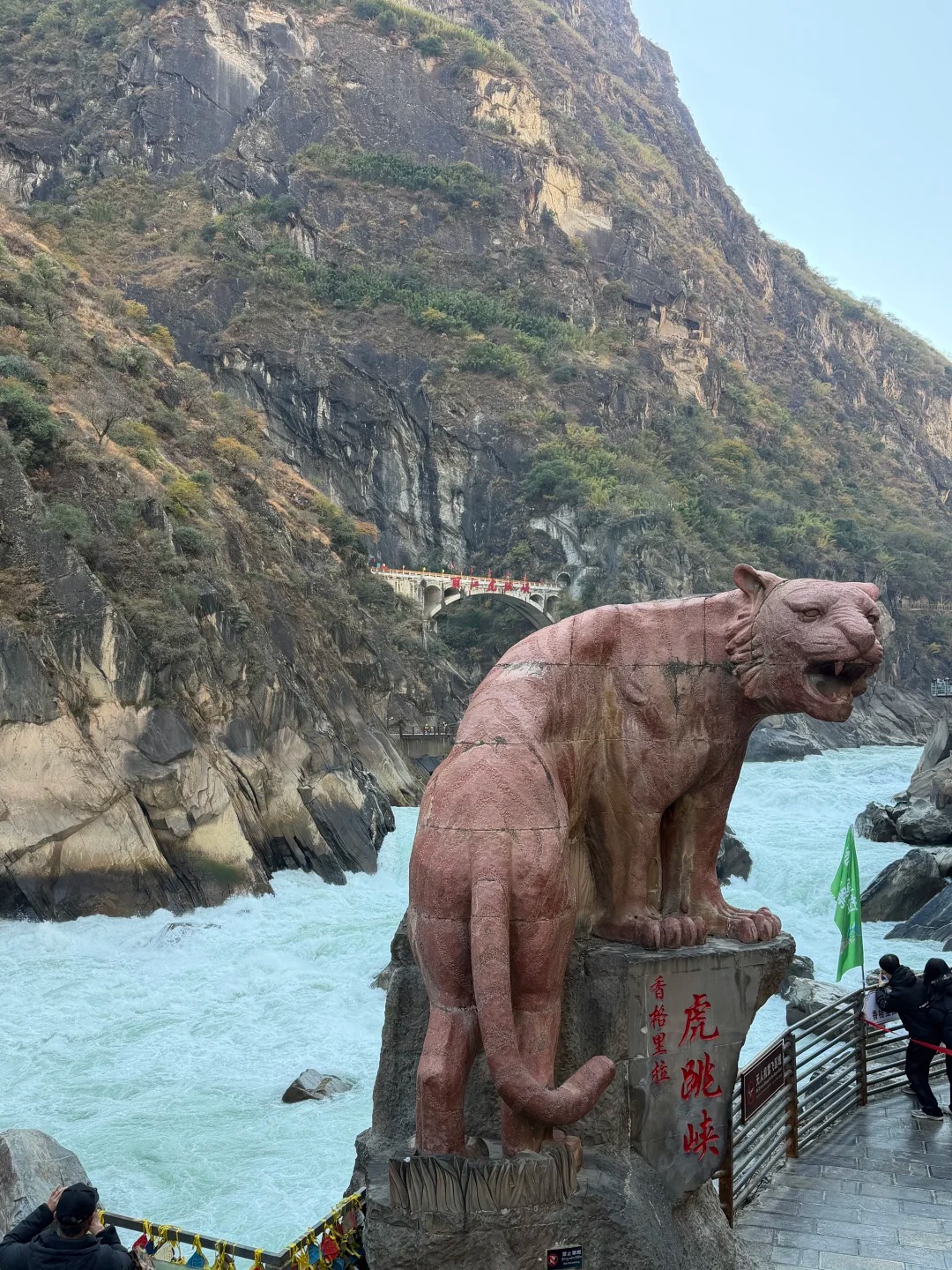
If you only do one hike in China, make it this one. Tiger Leaping Gorge is one of the deepest canyons on Earth, carved by the raging Yangtze River between the towering Jade Dragon Snow Mountain (5,596m) and Haba Snow Mountain (5,396m) . The name comes from a legend: a hunted tiger supposedly leaped across the narrowest point of the gorge to escape its pursuers .
-
Location: Near Lijiang, Yunnan Province
-
Difficulty: Easy to moderate
-
Duration: 2–3 days for the full high trail, or 1 day for a shorter section
-
Best time: March–May, September–November (avoid rainy season June–September)
The classic high trail runs about 22–25 kilometers along the mountainside, with guesthouses along the way so you can break it into two days. You’ll walk on cliffside paths with sheer drops to the river below, pass through tiny Naxi villages, and wake up to views of snow mountains from your guesthouse window .
For a shorter taste, you can hike the section from the famous Halfway Guesthouse to Tina’s Guesthouse—about 5 kilometers of stunning trail that includes waterfalls and constant mountain views .
Insider tip: The “28 Bends” at the start of the trail is the toughest part. Get it over with early, and reward yourself at the tea stalls at the top.
2. Great Wall (Jiankou to Mutianyu, Beijing)
Walk on History
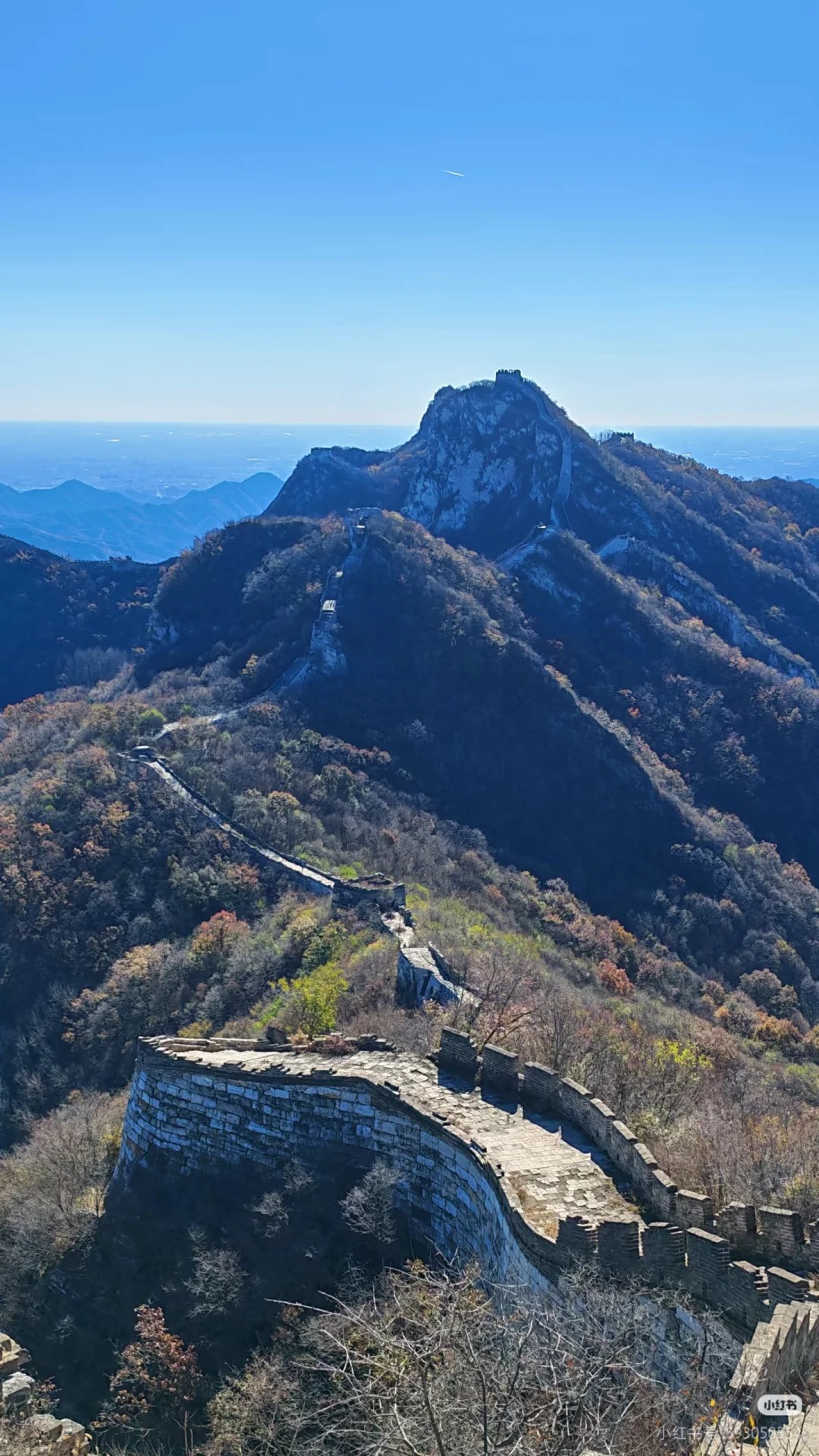
No list of China hikes is complete without the Great Wall. While the restored sections at Badaling are packed with tour buses, the wild sections near Beijing offer a completely different experience—crumbling watchtowers, unrestored walls snaking over mountain ridges, and views that stretch for kilometers .
-
Location: 70km north of Beijing
-
Difficulty: Moderate to challenging
-
Duration: 4–6 hours (Jiankou to Mutianyu)
-
Best time: April–May, September–October
The Jiankou to Mutianyu section is the most famous challenging hike. Jiankou is unrestored and steep, with sections that require using your hands. It’s not technically climbing, but it’s close. As you make your way along the ridge, you’ll pass through decaying watchtowers where you can imagine soldiers keeping watch centuries ago .
The trail ends at Mutianyu, which is beautifully restored. You can take the cable car down, or if you still have energy, walk down through the forest.
Safety note: Don’t attempt this section alone, and avoid it in wet weather. The unrestored sections can be genuinely dangerous.
3. Yellow Mountains (Huangshan, Anhui)
The Mountain That Inspired a Thousand Paintings
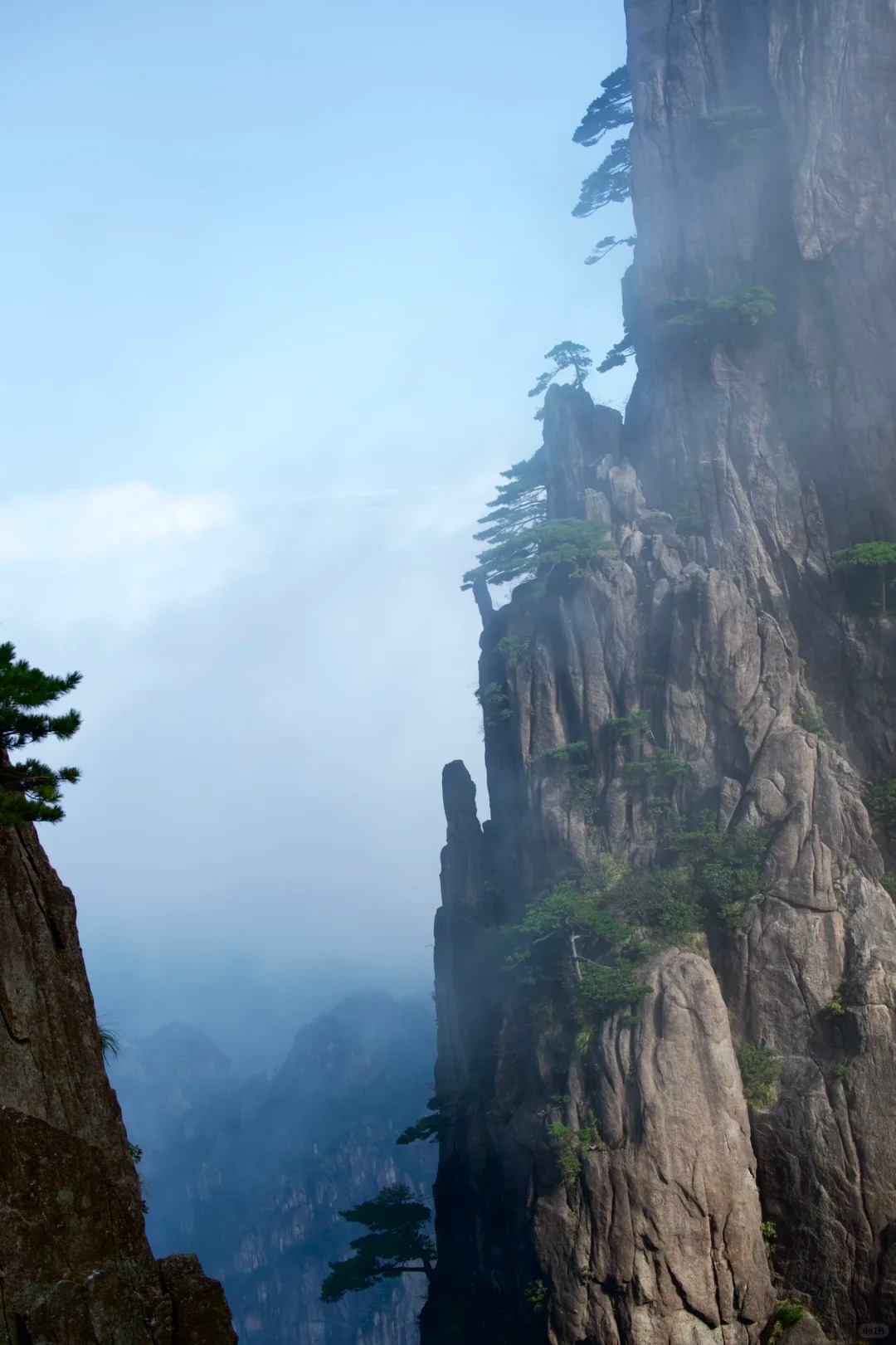
Huangshan—the Yellow Mountains—has been inspiring Chinese artists and poets for over a thousand years . And once you see it, you’ll understand why. Jagged granite peaks rise from seas of cloud, ancient pine trees cling to cliffs at impossible angles, and sunrise turns everything gold and pink.
-
Location: Southern Anhui Province
-
Difficulty: Moderate
-
Duration: 2 days (overnight on the mountain recommended)
-
Best time: All year, but spring and autumn offer the clearest skies
Unlike most hikes on this list, Huangshan is fully developed with stone steps, cable cars, and hotels on the mountain. Don’t let that put you off—the infrastructure means you can focus on the scenery rather than survival.
The classic route involves taking a cable car up, spending the afternoon exploring the West Sea Grand Canyon (a stunning 5km loop that descends into the canyon and climbs out the other side), watching sunset from a peak, staying overnight, and catching sunrise at Bright Summit before exploring more peaks and descending .
What makes it special: The “Four Wonders”—strange pines, absurd rocks, seas of clouds, and hot springs. In winter, you get a fifth: rime ice covering everything in crystalline white.
4. Everest Base Camp (Tibet)
On the Roof of the World
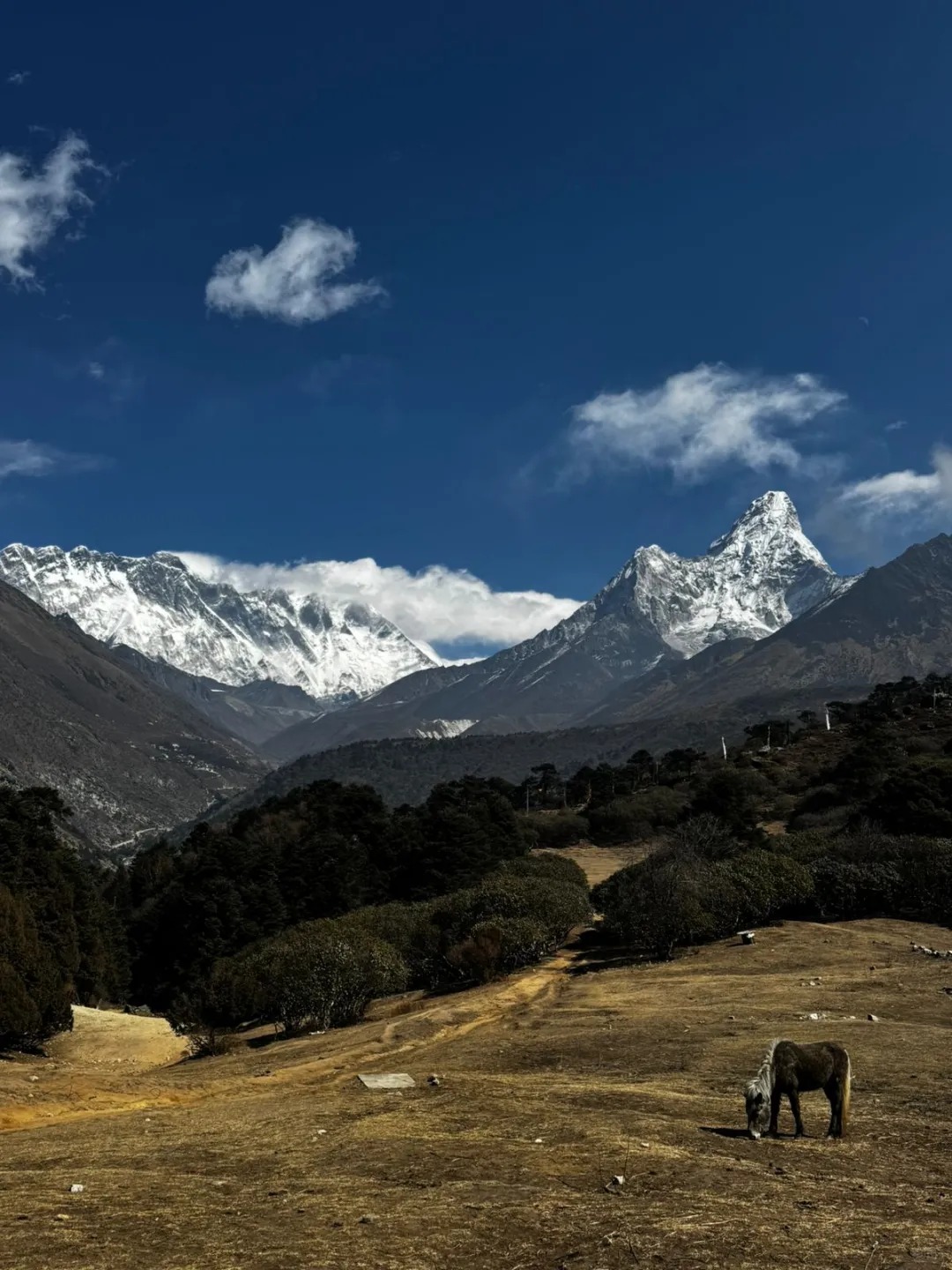
For serious trekkers, the Everest Base Camp trek in Tibet is one of the most coveted routes on the planet . You’ll trek through Himalayan valleys, past remote Tibetan villages, across highland meadows, and desert-like plains, all while getting closer and closer to the world’s highest mountain.
-
Location: Tibet Autonomous Region
-
Difficulty: Challenging (high altitude)
-
Duration: 4–8 days depending on route
-
Best time: May, October
The trek covers about 66 kilometers with altitudes ranging from 4,000m to 5,350m . That’s high enough that altitude sickness is a real risk—you’ll need to acclimatize properly.
The highlight, besides the views of Everest itself, is Rongbuk Monastery—the highest-altitude monastery in the world. You can talk with monks and receive a blessing before continuing your trek .
Permit note: Foreigners need special permits to trek in Tibet, and you’re required to join a guided tour. This isn’t a trek you can do independently.
5. Longji Rice Terraces (Guangxi)
Hiking Through Living Art
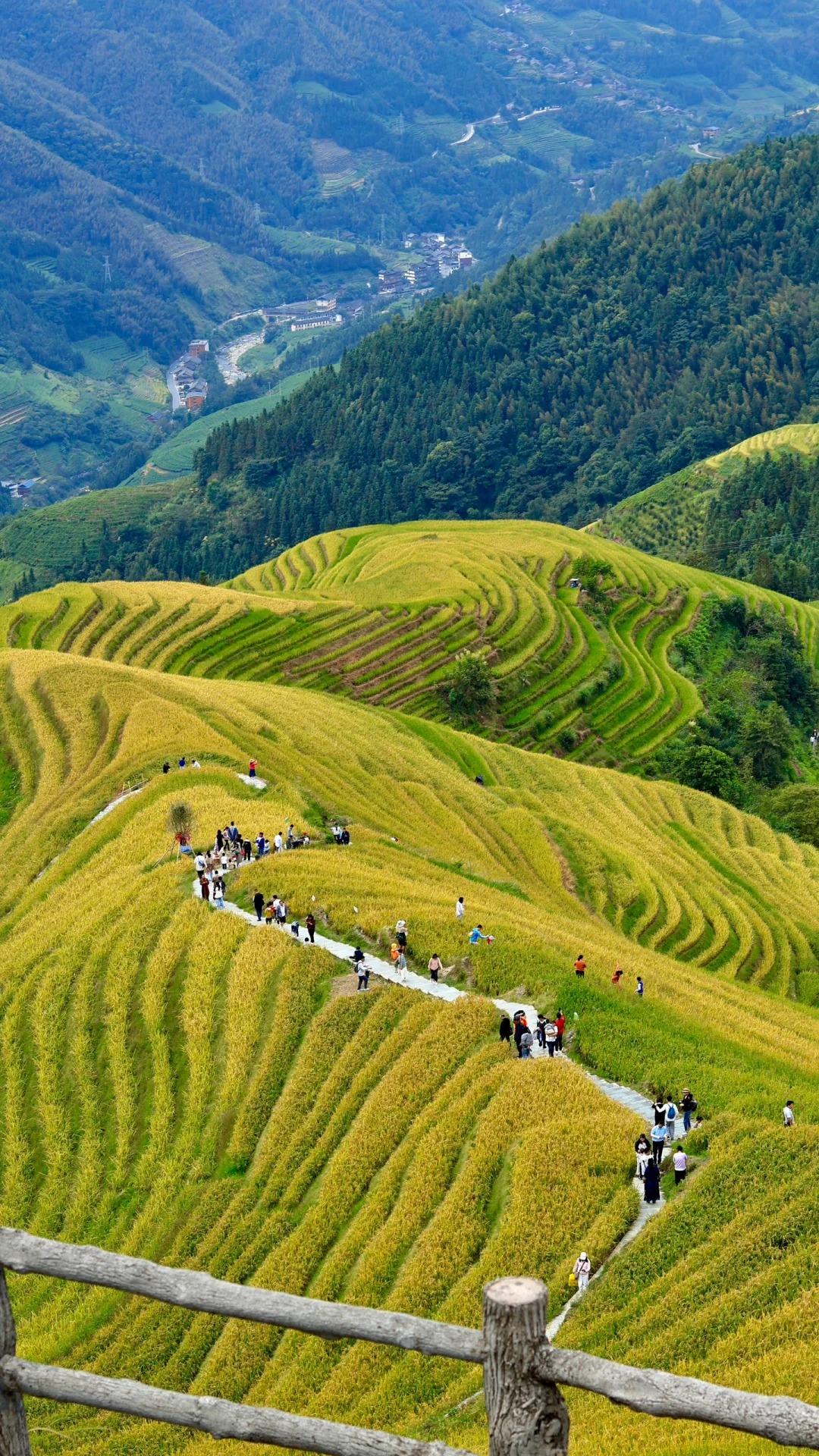
The Longji (Dragon’s Backbone) Rice Terraces are exactly what they sound like: rice paddies carved into mountainsides over centuries, creating terraces that follow the contours of the hills like giant fingerprints . Hiking through them is the only way to truly appreciate their scale and beauty.
-
Location: Longsheng County, near Guilin
-
Difficulty: Easy to moderate
-
Duration: 1 day (or 2 days for the full traverse)
-
Best time: May–October (green in summer, golden in autumn)
The most popular route connects Ping’an Village and Dazhai Village—about 4–5 hours of walking on stone paths that have been used for centuries . Along the way, you’ll pass through minority villages where Zhuang and Yao people live much as they have for generations.
In spring, the terraces fill with water and reflect the sky like mirrors. In summer, they’re a lush green. In autumn, they turn gold before harvest. Each season offers a completely different experience.
Cultural note: The local women are famous for their incredibly long hair—some over 2 meters—which they wash in special pools and wear coiled on their heads.
6. Yubeng Village (Yunnan)
Tibet’s Hidden Paradise
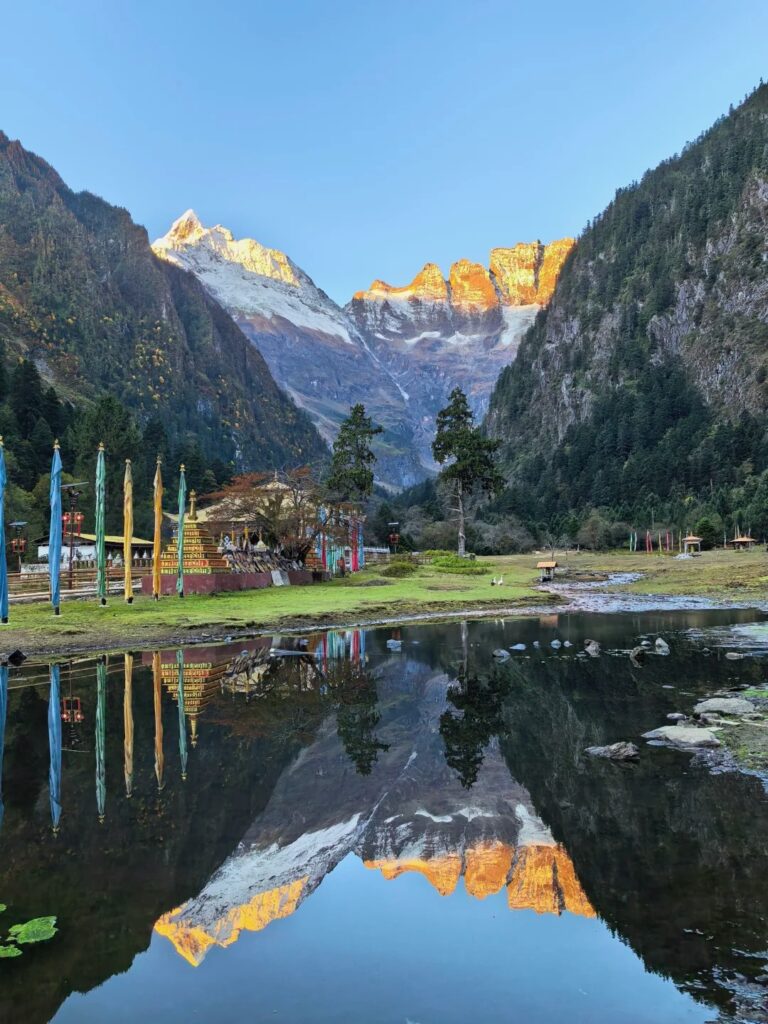
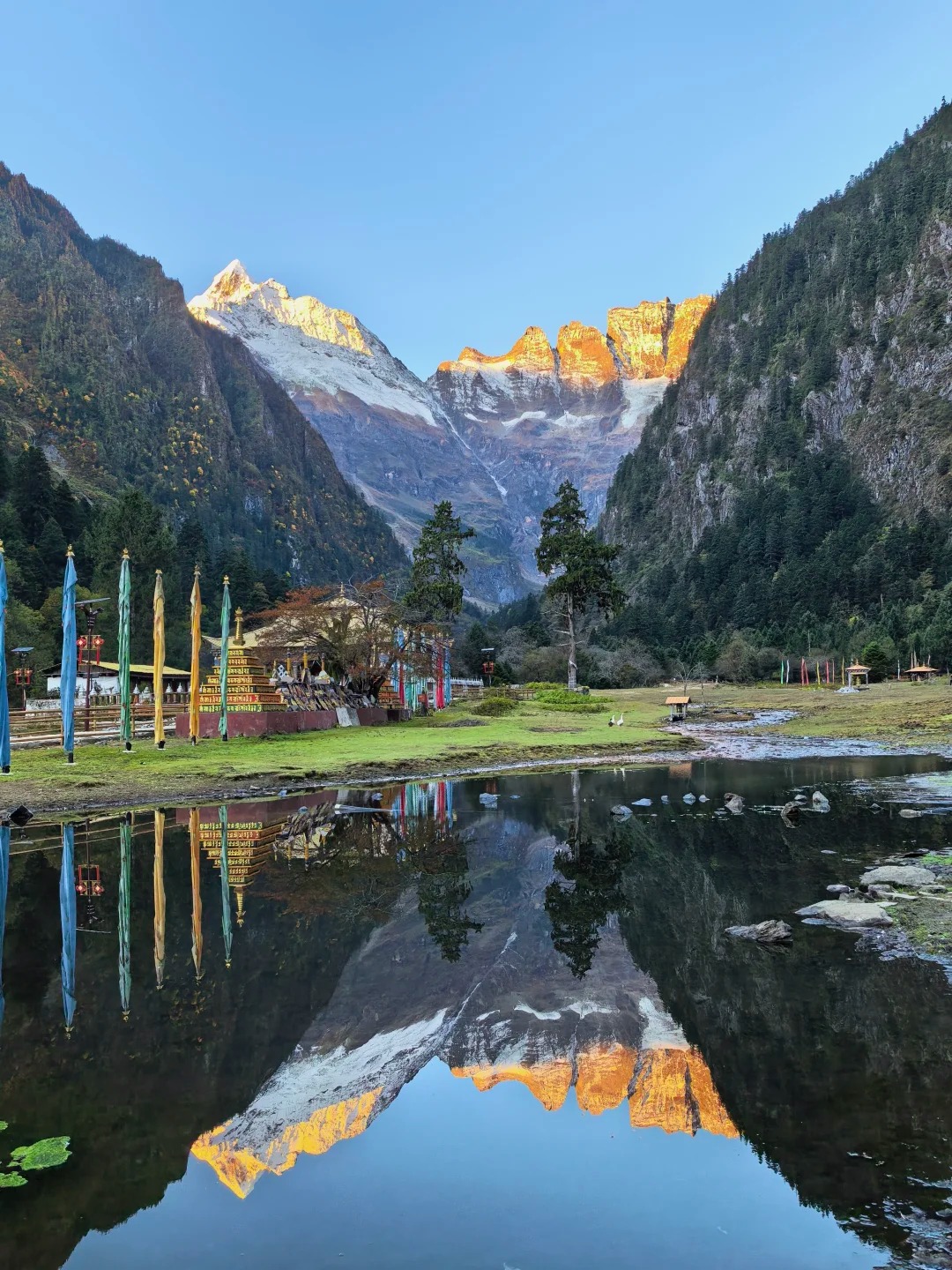
Yubeng is a small Tibetan village tucked deep in the Meili Snow Mountains, accessible only on foot . It’s become famous among trekkers as one of China’s most beautiful hikes—a high-altitude valley surrounded by glaciers, waterfalls, and prayer flags.
-
Location: Near Deqin, Yunnan Province
-
Difficulty: Moderate to challenging
-
Duration: 4 days (including transport from Shangri-La)
-
Best time: April–May, October–December
The trek to Yubeng involves crossing a 3,700-meter pass, then descending into the village. Once there, you can base yourself for a few days and do day hikes to Ice Lake (another 1,000m climb) and Holy Waterfall.
What makes Yubeng special isn’t just the scenery—it’s the feeling of being in a place that’s still genuinely remote and authentic. The village has basic guesthouses now, but there are no roads, no cars, and no connection to the outside world except the trail you came in on .
Spiritual note: The Meili Snow Mountains are sacred in Tibetan Buddhism, and many Tibetans do a circuit (kora) around them. You’ll encounter pilgrims along the trails, adding a spiritual dimension to your hike.
7. Daocheng Yading (Sichuan)
The Last Pure Land on Earth
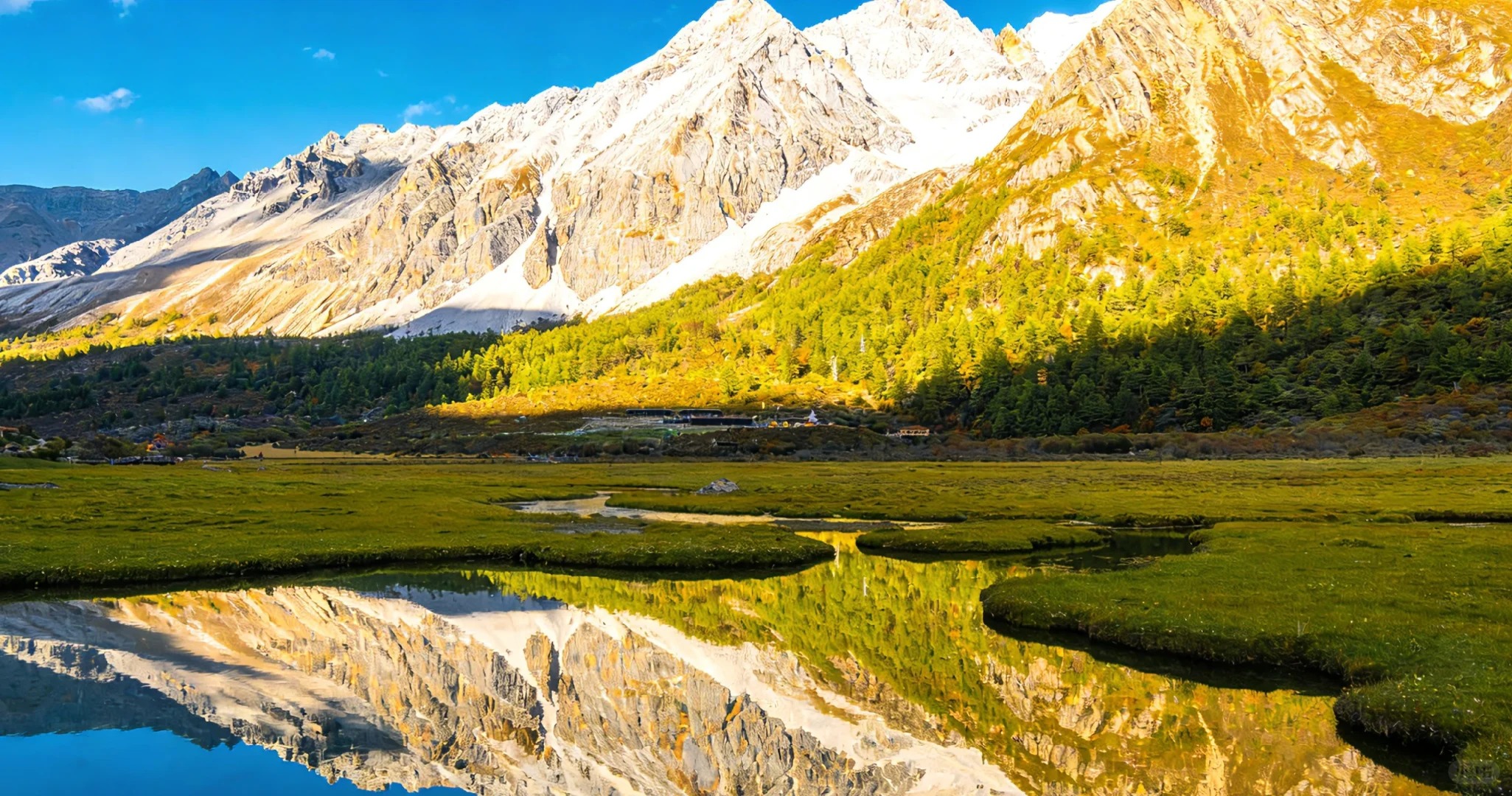
Daocheng Yading Nature Reserve in western Sichuan is often called “the last pure land on Earth”—and it’s easy to see why . Three sacred peaks (Chenresig, Chana Dorje, and Jampelyang) tower over high-altitude grasslands, turquoise lakes, and primeval forests.
-
Location: Garze Tibetan Prefecture, Sichuan
-
Difficulty: Easy to moderate (day hikes from the valley)
-
Duration: 1–3 days
-
Best time: April–May, September–October
The reserve has well-maintained boardwalks and paths that make the highlights accessible without serious trekking. You can walk to the base of the mountains, circle holy lakes, and soak in views that look like they belong in a Tibetan painting.
For more experienced hikers, there’s a challenging multi-day circuit that takes you into the backcountry, but most visitors are content with the day hikes.
Altitude note: The valley floor is at 3,900m, and the passes are over 4,500m. Take it slow and watch for altitude symptoms.
8. Hua Shan (Shaanxi)
The World’s Most Dangerous Hike
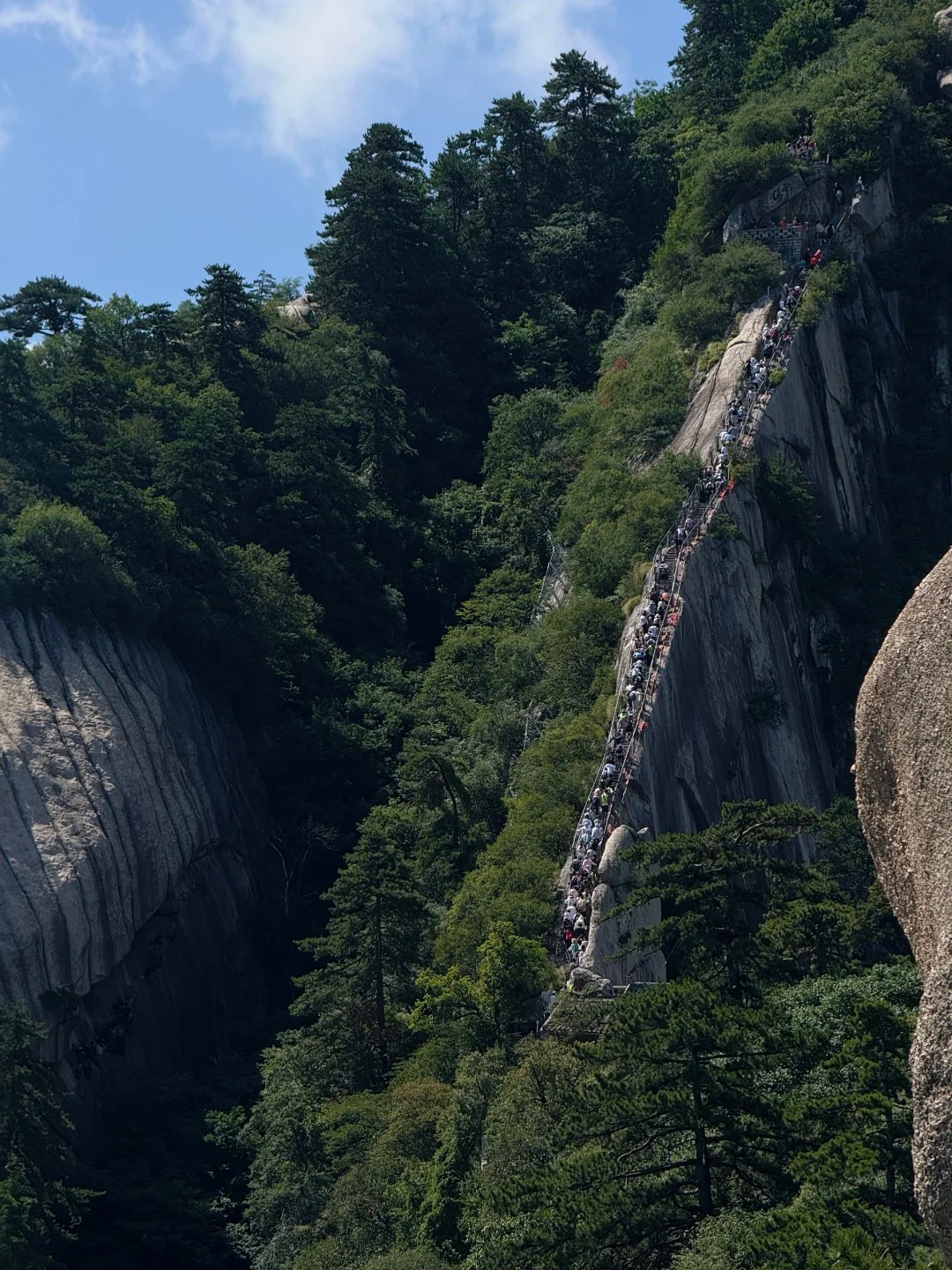
Hua Shan is one of China’s Five Sacred Taoist Mountains, and it’s famous for one thing: the Plank Walk . This involves walking along wooden planks bolted to a vertical cliff face, with only a harness (and your nerve) keeping you from a 2,000-meter drop.
-
Location: Near Xi’an, Shaanxi Province
-
Difficulty: Strenuous (and terrifying)
-
Duration: 1 day (or 2 days to catch sunset/sunrise)
-
Best time: All year except winter ice
Even without the Plank Walk, Hua Shan is a serious climb. The 6-kilometer route to the North Peak involves thousands of stone steps and gains over 1,000 meters in elevation. From there, you can continue to the other four peaks via ridges and more stairs.
The Plank Walk is an optional add-on at the South Peak. You put on a harness, clip onto a safety cable, and step out onto wooden planks attached to the cliff. You edge your way along the cliff face, around a corner, and back. It’s terrifying and exhilarating in equal measure.
Safety warning: Don’t attempt the Plank Walk in bad weather, and make absolutely sure your harness is properly clipped. People have died here.
9. Jade Dragon Snow Mountain (Yunnan)
The Sacred Mountain of the Naxi
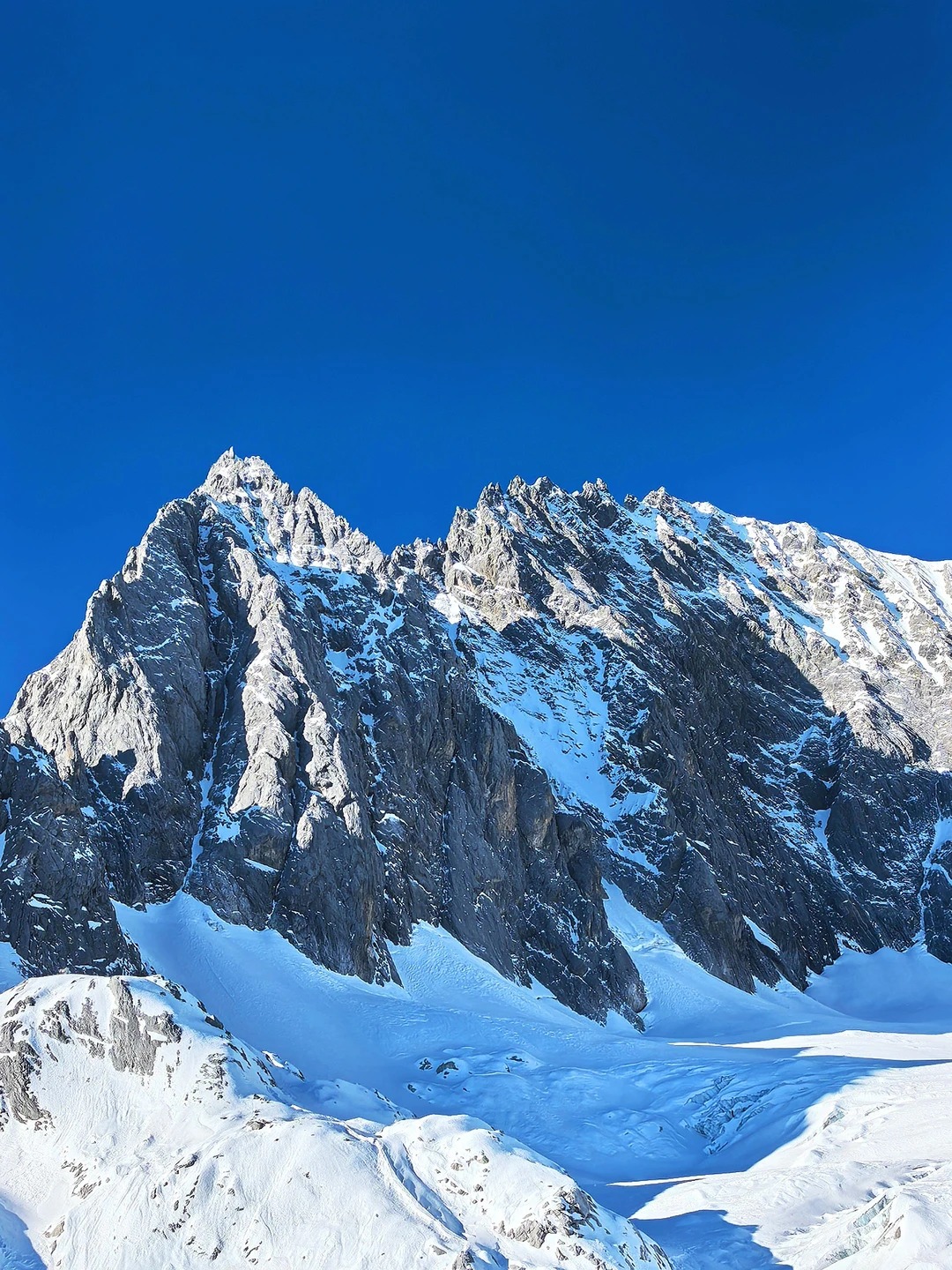
Jade Dragon Snow Mountain towers over Lijiang’s ancient town, but most tourists see it from a cable car. Hikers know better . The best way to experience this mountain is on foot, following trails that wind through forests and meadows to viewpoints that the crowds never reach.
-
Location: Near Lijiang, Yunnan Province
-
Difficulty: Moderate
-
Duration: 1 day
-
Best time: November–April
The classic route starts at Yuhu Village, where the famous explorer Joseph Rock lived for 27 years. From there, you hike through bushes, wade across a small stream, and emerge onto alpine meadows with exclusive views of the mountain .
You won’t summit—that requires technical climbing—but you’ll get closer than the cable car crowds, and you’ll have the trails mostly to yourself.
Cultural note: The Naxi people consider this mountain sacred. Treat it with respect.
10. Changbai Mountain (Jilin)
Volcano, Forest, and Heaven Lake
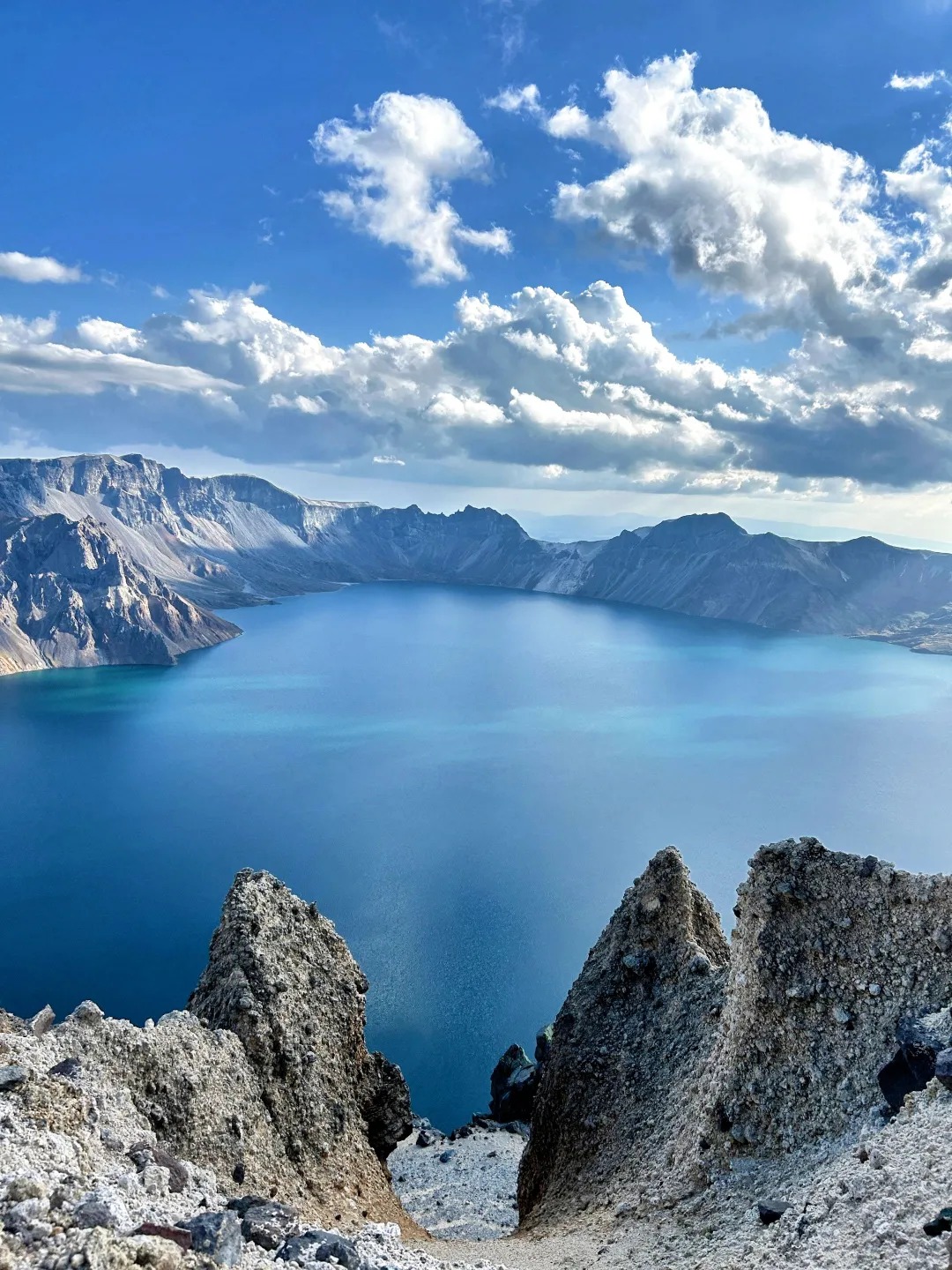
Changbai Mountain, on the border with North Korea, offers something unique: a massive volcanic crater filled with crystal-clear water—Heaven Lake . The hiking here winds through primeval forest with 92% coverage, past waterfalls, and up to viewpoints over one of the deepest alpine lakes in the world.
-
Location: Jilin Province, near North Korean border
-
Difficulty: Easy to moderate
-
Duration: 1–2 days
-
Best time: June–September (winter is magical but very cold)
The main trail involves climbing 1,442 steps to the crater rim for panoramic views of Heaven Lake . In summer, wildflowers cover the slopes. In winter, everything is covered in rime ice and snow—beautiful but bitterly cold.
For a longer experience, you can explore the Underground Forest (a forest that grew in a volcanic sinkhole), the Jinjiang Grand Canyon, and various waterfall trails.
Border note: The lake is half in China, half in North Korea. You can see the North Korean side from the rim, but don’t attempt to cross.
How to Choose Your Hike
| If you want… | Choose… |
|---|---|
| The classic China hiking experience | Tiger Leaping Gorge |
| History with your hike | Great Wall (Jiankou–Mutianyu) |
| Unreal scenery without hard trekking | Yellow Mountains or Longji Terraces |
| A serious challenge | Everest Base Camp or Hua Shan |
| Tibetan culture | Yubeng Village or Daocheng Yading |
| Something unique | Changbai Mountain’s crater lake |
Best Time to Hike in China
China’s size means there’s almost always somewhere good to hike, but timing matters.
By Region
| Region | Best Months | Avoid |
|---|---|---|
| Southwest mountains (Yunnan, Sichuan) | April–May, September–November | June–August (rains, landslides) |
| Tibet | May–October | November–April (snow, cold) |
| East China (Huangshan, etc.) | April–June, September–November | July–August (hot, crowded, rainy) |
| South China (Guangxi, Guizhou) | March–May, September–November | June–August (rains, floods) |
| North China (Great Wall) | April–May, September–October | July–August (hot), December–February (cold) |
| Northeast (Changbai) | June–September | December–February (extreme cold) |
Chinese Public Holidays to Avoid
The entire country travels during these periods. Trails become crowded, prices spike, and accommodation books out months in advance.
-
May Day Holiday (first week of May)
-
National Day Holiday (first week of October)
-
Chinese New Year (late January/early February—varies)
How to Get to These Trails
General Approach
Most major hiking areas are accessible from nearby cities with airports or high-speed rail:
| Trail | Gateway City | Transport from Gateway |
|---|---|---|
| Tiger Leaping Gorge | Lijiang (Yunnan) | 2-hour bus to Qiaotou |
| Great Wall (Jiankou) | Beijing | 2-hour drive (hire a driver) |
| Yellow Mountains | Huangshan City (Anhui) | 1-hour bus to Tangkou, then shuttle |
| Everest Base Camp | Lhasa (Tibet) | 4WD drive to trailhead (requires tour) |
| Longji Terraces | Guilin (Guangxi) | 2-hour bus to Longsheng, then local transport |
| Yubeng Village | Shangri-La (Yunnan) | 5-hour drive to trailhead, then hike in |
| Daocheng Yading | Daocheng County (Sichuan) | Fly to Daocheng Yading Airport |
| Hua Shan | Xi’an (Shaanxi) | 1.5-hour train to Huashan Station |
| Jade Dragon Snow Mountain | Lijiang (Yunnan) | 1-hour drive to Yuhu Village |
| Changbai Mountain | Changbaishan Airport (Jilin) | 1-hour drive to West Slope entrance |
Getting Around
-
High-speed rail: Connects major cities efficiently. Book tickets on Trip.com or through your hotel.
-
Domestic flights: Essential for reaching places like Daocheng and Changbai. Book early for best prices.
-
Buses: Local buses reach most trailheads from regional centers.
-
Private drivers: For remote areas, hiring a driver for the day is affordable and flexible. Your hotel can arrange this.
Essential Hiking Tips for Foreigners
Preparation
Physical conditioning: Multi-day or high-altitude trails require real fitness . Train with stairs and hills before attempting something like Everest Base Camp or Yubeng. People with heart conditions, high blood pressure, or asthma should avoid high-altitude hikes altogether .
Altitude acclimatization: For hikes above 3,000m, spend 2–3 days at moderate altitude before starting. Symptoms of altitude sickness include headache, nausea, and dizziness. If they worsen, descend immediately.
Gear Checklist
| Essential Item | Why You Need It |
|---|---|
| Waterproof hiking boots | Trails can be rough; ankle support prevents injury |
| Trekking poles | Save your knees on descents; essential for steep trails |
| Layered clothing | Mountain weather changes fast; start cold, heat up, get cold at sunset |
| Waterproof jacket | Rain can appear suddenly in mountains |
| Daypack (20–30L) | Carry water, snacks, layers, first aid |
| Water bottles/bladder | 2–3 liters minimum for full-day hikes |
| High-energy snacks | Nuts, energy bars, chocolate |
| Headlamp | Essential if your hike takes longer than expected |
| First aid kit | Blister supplies, painkillers, antiseptic |
| Sunscreen, hat, sunglasses | UV is stronger at altitude |
Navigation & Safety
-
Download offline maps: Use Maps.me or Gaode Map (Chinese app) before you go . Cell service is unreliable in remote areas.
-
Hike with a partner: Remote trails are safer with company . If hiking alone, tell someone your plans.
-
Hire local guides: For remote areas like Yubeng or Tibet, guides are essential for navigation and permits.
-
Check weather: Mountain weather changes quickly. If storms are forecast, postpone your hike.
-
Start early: Give yourself plenty of daylight. Most trails take longer than expected.
Food & Water
-
Bring enough water: Remote trails have no water sources, or water that needs treating. Carry at least 2 liters for a full day .
-
Water treatment: Iodine tablets or a filter are useful for long hikes where you can refill from streams.
-
Local food: In villages along trails (Tiger Leaping Gorge, Yubeng), guesthouses serve hearty local food. Try yak butter tea in Tibetan areas .
Cultural Etiquette
-
Ask before photographing: Especially in minority areas and of older people .
-
Respect religious sites: Walk clockwise around stupas and prayer wheels in Tibetan areas. Don’t sit on mani stones.
-
Dress modestly: In villages and religious sites, cover shoulders and knees.
-
Leave no trace: Pack out all your trash . Plastic waste is a growing problem in remote areas.
Language Basics
| English | Mandarin (Pinyin) | Characters |
|---|---|---|
| Hello | nǐ hǎo | 你好 |
| Thank you | xiè xiè | 谢谢 |
| How much? | duō shǎo qián? | 多少钱? |
| Too expensive | tài guì le | 太贵了 |
| Where is…? | …zài nǎ lǐ? | …在哪里? |
| Trail/path | lù | 路 |
| Mountain | shān | 山 |
| Help! | jiù mìng! | 救命! |
Conclusion
China’s hiking trails have changed how I think about travel in this country. For years, I stuck to cities and famous sights, assuming the real adventure required too much hassle. I was wrong.
Yes, getting to remote trails takes effort. Yes, you’ll deal with language barriers and logistics that would be simpler in the Alps or Rockies. But the rewards—standing above the clouds in Tiger Leaping Gorge, watching sunrise paint Huangshan’s peaks gold, sharing tea with Tibetan pilgrims in Yubeng—are worth every bit of that effort.
China is a hiker’s paradise hiding in plain sight. The trails are here, ancient and spectacular, waiting for those willing to step off the beaten path.
So lace up your boots, download those offline maps, and get out there. The mountains are calling.
Have you hiked in China? Got questions about planning your trip? Drop a comment below or send me a message. I’m always happy to help fellow travelers discover China’s best trails.
Article Metadata
| Field | Content |
|---|---|
| Title | Best Hiking Trails in China: From Tiger Leaping Gorge to the Yellow Mountains |
| Keywords | best hiking trails in china, china hiking guide, tiger leaping gorge trek, yellow mountains hiking, great wall hike, everest base camp trek, yubeng village, longji rice terraces, hiking in yunnan, china trekking routes |
| Description | Complete guide to the best hiking trails in China. Discover Tiger Leaping Gorge, Yellow Mountains, Great Wall treks, and hidden gems. Tips for foreign hikers, best seasons, and essential gear. |
| Category | Experiences (一级分类) → Hiking Trails (二级分类) |
| Tags | hiking, trekking, china hiking, tiger leaping gorge, yellow mountains, great wall, everest base camp, yubeng, longji terraces, yunnan, sichuan, tibet, guangxi, outdoor adventure, multi-day treks |